
Black Friday is a big sales opportunity for Indian exporters and e-commerce businesses selling to international markets. It’s a hectic one, too. Orders land faster than you planned for, and whatever you left half-done in October is waiting for you in November.
So don’t put it off. Count your stock now. Optimize product listings, and look at the photos and titles, not just the price. Plan international shipping while things are still quiet. Next comes the international courier service. Everyone checks the rate first, but ask a different question: what happens to delivery times in the peak shopping season? A late parcel will cost you far more than the rupees you saved.
Buyers will message you, often the same questions again and again. That’s the real work of Black Friday customer service. Expect shipment tracking requests, delivery delays and returns, and reply fast, because a quiet seller makes people nervous.
Use this Black Friday checklist for Indian exporters as your to-do list. It goes through inventory planning, export documentation, packaging, shipping deadlines and customer support. Explore our guide to export documents for international courier shipments to prepare your business for a smoother Black Friday sales season.
Export Operations Planning for Black Friday
Instead of just thinking of Black Friday as a sales event, think of it as a full scale business operation. Planning ahead helps reduce pressure and meet customer expectations, especially when shipping internationally.
What You Should Do:
Review last year’s sales data to estimate demand and identify which products are likely to sell best.
Confirm shipping capacity, estimated delivery times and any restrictions that may apply during the Black Friday peak season.
Set clear deadlines for order processing, shipping and hiring additional staff to prepare for increased demand.
Keep marketing, sales and logistics teams aligned on upcoming promotions, expected order volumes and fulfilment plans.
If you’re new to selling internationally, now is a great time to make a formal export operations plan to help you deal with a lot of orders and customer requirements.
Black Friday Peak Season Checklist
International Shipping Preparation and Risk Management
During the week of Black Friday, global logistics networks see a big rise in volume. It’s common for things to get delayed, rerouted, or stuck in customs. If you’re prepared, you can get through these problems with ease.
Pre-Holiday Shipping Tips:
- Confirm delivery timelines with shipping partners, including deadlines for different countries
- Depending on how quickly you need the shipment and what kind of product you have, you can choose between Air Waybill (AWB) for faster air shipments or Bill of Lading (BOL) for ocean freight.
- If your products are fragile or need to get there quickly (like electronics for school or paper goods), you might want to use air freight with end-to-end tracking.
- Use digital shipping tools to print labels, make paperwork, and set up pickups ahead of time.

How to Reduce Shipping Costs for Ecommerce
Learn practical ways to lower shipping expenses, optimise packaging and save on deliveries.
Learn How to Save →
Logistics Risk Management Strategies:
- Don’t depend on just one shipping company; work with more than one.
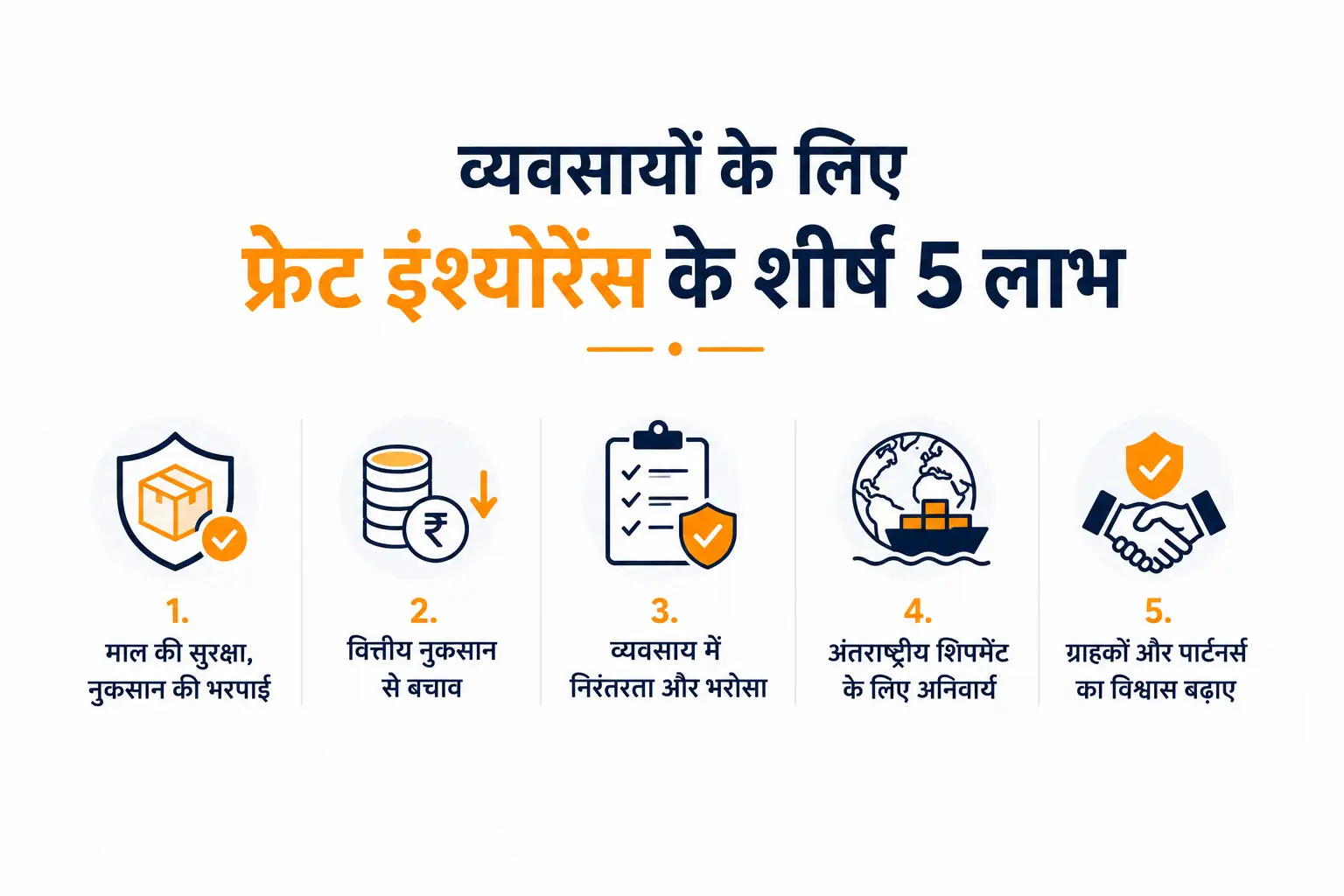
- Get freight insurance to cover loss, damage, or delays while your goods are in transit.
- Make sure you have backup shipping options for important places like the U.S., UK, or EU.
- Talk to buyers ahead of time about possible delays and ways to track their orders.
For international shipments during this time of year, it’s best to leave a buffer of at least 5 to 7 days.
Export Compliance Checklist and Documentation
It’s not enough to just move goods; you also have to do it legally and openly. A single mistake in the paperwork can result in fines, penalties, or the shipment being turned away at the destination port.
Transport document confirming shipment details and used for cargo tracking or release.
Certifies a product’s country of origin. May be needed for customs clearance or preferential tariff benefits where applicable.
Contains product descriptions, quantities, declared values, and buyer and seller details.
Verify recipient names, addresses, contact details, and applicable VAT or EORI numbers for EU shipments.
Required for certain restricted or controlled products, depending on their classification and destination.
Issued by DGFT, the IEC is generally required for commercial exports from India, subject to exemptions. Exporters can also explore financing support from the Export-Import Bank of India.
Lists package contents, quantities, weights, dimensions, and relevant handling information.
May be required for regulated plant, animal, food, or agricultural products, depending on destination rules.
Warehouse Scheduling and Tracking
You will need to make your warehouse processes bigger so they can handle the high number of orders on Black Friday. At this point, delays or disorganization can cause a chain reaction that affects when your packages arrive.
Best Practices for Warehouse Management:
- Divide your group into working shifts to get more hours of work.
- The easiest way to facilitate shipping is to pack by geography grouping orders by country or zone.
- In case of the inability of the current capacity to process the volume, consider warehouse automation or third-party fulfillment centres.
- Pickups with courier partners should be scheduled in advance to prevent missed pickups.
- Look into warehouse automation or third-party fulfillment center in case the volume is beyond what you are capable of executing.
Plan your Black Friday promotions early by reviewing customer demand, setting competitive prices, and preparing inventory for your target international markets. Coordinate promotional campaigns with your shipping and fulfilment plans to help ensure orders are dispatched on time.

Bulk Shipping for Ecommerce
Discover how bulk shipping and consolidation can reduce shipping costs and improve efficiency.
Explore Bulk Shipping →Exporter Readiness for Peak Demand
The ability of your business to succeed in the global sales season relies correspondingly on how your team is ready to cope with the unexpected increased communication, documentation, and returns.
How To Get Your Team Ready
Train your staff on export documentation, packaging regulations and customer service guidelines.
Create ready-to-use responses for common customer questions, including delivery delays, shipment holds and returns.
Assign team leads to manage export documentation, logistics coordination and customer support.
Use live dashboards to monitor shipment progress, delivery delays and order status in one place.
Another thing to do is to develop a post-sale support mechanism, particularly for your international customers which will involve dealing with returns or giving them digital guidelines on how to use your products.
Global Sale Season Preparation For Indian Exporters
If your buyers are based across countries like the U.S., Canada, Germany, or the UAE, then you’ll want to optimize your approach to meet international expectations.
Key Considerations
Offer product listings in international currencies such as USD, GBP and EUR to make shopping easier for global buyers.
Clearly mention estimated shipping timelines, customs duties and applicable taxes on your product pages.
Set up international payment gateways and offer clear, flexible return policies for overseas customers.
Work with experienced international shipping providers such as DHL, ShipGlobal or India Post that can support customs clearance and global deliveries.
Introduce early-bird offers to encourage bulk orders from schools and organisations preparing for seasonal demand.
Even simple steps like including a customs-friendly invoice can improve your delivery rate and reduce order returns.
Final Black Friday Checklist
Activate international shipping options on your eCommerce platform.
Communicate expected delivery timelines clearly before customers place orders.
Keep your IEC, commercial invoices, applicable COO and destination-specific documents ready.
Stock up on best-selling products and prepare packaging for major SKUs.
Check import restrictions, duties and compliance requirements for your top buyer destinations.
Estimate peak-season order volumes and finalise your export operations plan.
Organise inventory tracking, picking and packing for faster fulfilment.
Monitor shipments regularly and resolve delivery delays as quickly as possible.
Prepare your staff for higher order volumes and create ready-to-use customer communication templates.
Confirm freight capacity, shipping cut-off dates and consider suitable cargo insurance coverage.
By following this Black Friday checklist, Indian exporters can take full advantage of the Black Friday season while ensuring efficient logistics, timely delivery, and international compliance. A well-prepared export business not only meets deadlines it also builds long-term trust with global buyers in the education sector and beyond.
Now is the time to start planning, organizing, and shipping with confidence.
Let your products reach the world on time, every time, with this Black Friday checklist

Common Misconceptions About International Courier Shipping from India
Understand the common myths around international courier shipping and get a clearer view of how the process actually works.
Read the Blog →FAQs
Don’t measure the product. Measure the box once it’s sealed: height, width and length, all in cm. Now multiply the three and divide the result by 5000. Take a 40 × 30 × 30 cm carton. That works out to 36,000, and 36,000 ÷ 5000 gives 7.2 kg. The courier will bill you on 7.2 kg, even if the parcel only weighs 2 kg on your scale.
It’s length × width × height (in cm) ÷ 5000. That’s the divisor most international couriers go by. Some use 4000 or 6000 instead, which changes the result, so find out which one your courier uses first.
Both get calculated, and you pay on the larger one. Picture a 2 kg box that measures out to 7.2 kg by size. The invoice will say 7.2 kg. People call this the chargeable weight.
Nope. Think of a small carton of books. It’s heavy for its size, so the scale reading wins. It’s the airy stuff, like pillows, soft toys, clothes and plastic items, where volumetric weight takes over and the bill jumps.
Look for gaps first. If there are a few cm of space around the product, go down a box size. Skip the extra filler. Fold clothes flat or vacuum-pack them. Then measure again after packing, since that’s the number that counts. Trimming 2 to 3 cm off one side can move you into a lower slab, and the savings add up quickly if you send many parcels.