
In recent years, a whole lot of Indian companies have broken free from domestic markets and started selling directly to international customers via online platforms. This seismic shift has opened up a massive world of opportunities for modern D2C Brands looking to expand their customer base and rake in some serious cash.
As global ecommerce continues to boom, what with improved logistics networks, digital payments and social media marketing just about anyone in India can now build a customer base across the globe. Brands that were once happy to stick to local markets are now exporting your run of the mill skincare products, fashion gear, electronics, wellness items, handmade crafts and all manner of lifestyle products to customers as far afield as the United States, Europe, the Middle East and Southeast Asia.
The success of Indian D2C brands taking their business global is evidence that direct-to-consumer businesses can compete on the world stage if they have the right branding, digital marketing and efficient supply chains. If you’re got the know-how, you can learn from these brands and tap into some of the most lucrative export opportunities out there.
Why D2C Brands Are Ditching India for International Markets
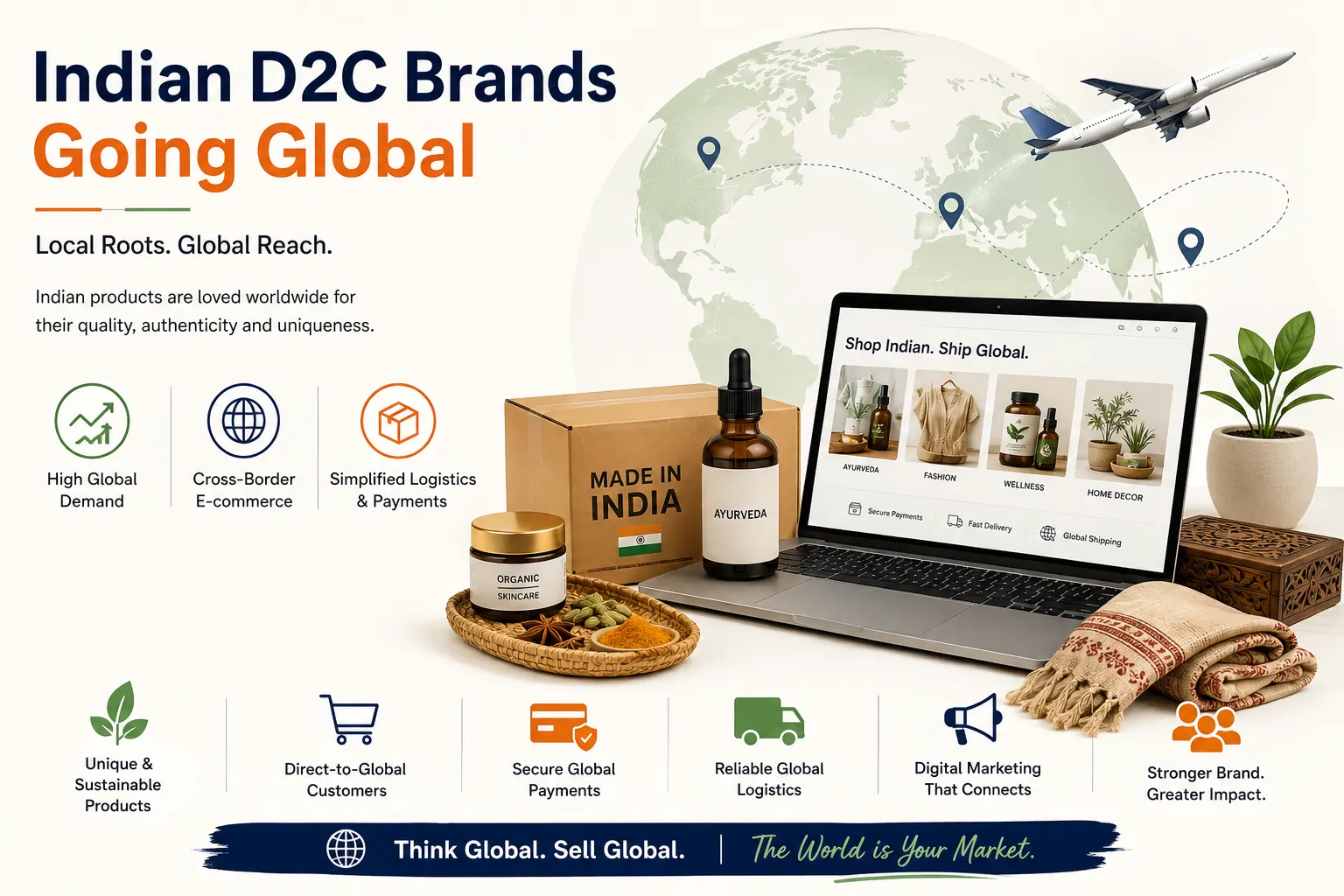
The Indian ecommerce industry has grown at an incredible pace over the last decade, making the domestic market a cutthroat place to do business. As the cost of fitting in new customers goes up, many businesses are looking overseas for a better return and customers with deeper pockets.
Global consumers are getting more and more interested in Indian products because they’re affordable, beautifully crafted, sustainable and unique. Categories like Ayurveda, organic skincare, ethnic fashion, jewellery, wellness products, spices and handmade home decor are flying out of the country.
This has encouraged a lot of Indian D2C brands to adapt cross-border ecommerce strategies that let them sell directly to international customers without having to rely on traditional middlemen.
The growth of global ecommerce in India is supported by digital advertising platforms, global payment gateways and improved logistics infrastructure – making it easier for businesses to export and expand.
How Cross-Border Ecommerce is Helping Indian Businesses Go Global
More and more cross-border ecommerce India entrepreneurs are adopting ecommerce strategies that let brands sell products directly to international customers through websites, online marketplaces and social commerce platforms.
Exporting used to be a complex and expensive business that required big company operations and complex distribution networks.
Export Strategies for D2C Brands Looking to Expand Globally
Export Strategies for D2C Brands
| Strategy | Why It Matters | Example |
|---|---|---|
| Market Research | Identify countries where demand already exists for your product category. | Wellness brands targeting the US and Europe. |
| Diaspora Targeting | Reach customers who already value Indian products, culture and authenticity. | Ethnic fashion brands selling to Indian communities in the US, Canada and UK. |
| Strong Branding | Build trust and stand out in competitive international markets. | Highlighting authenticity, craftsmanship and cultural value. |
| Premium Storytelling | Helps overseas customers emotionally connect with the brand. | High-end packaging, founder stories and product origin narratives. |
| Localised Marketing | Improves communication by adapting ads, language and messaging to each region. | Different ad creatives for Europe, North America and diaspora markets. |
| Product Adaptation | Makes products more suitable for local tastes, preferences and buying habits. | Adjusting flavours, sizing, packaging or product bundles for each market. |
💡 Tip: Global D2C success depends on choosing the right market, building trust and adapting to local customers.
When it comes to going global, successful expansion is all about doing your research and understanding your market. Brands that scale internationally usually focus on specific export strategies for D2C brands.
A lot of businesses start by identifying the regions where demand for their product category already exists. For example, wellness brands often target the US and Europe, while ethnic fashion businesses may focus on Indian diaspora populations in countries like the US, Canada and the UK.
Strong branding plays a huge role in getting to the top globally. Overseas customers are often picking up products from Indian D2C brands because they’re desperate for authenticity, craftsmanship or just the genuine feel of something that’s part of a particular culture.
Most brands that make it big internationally are throwing a lot of money at storytelling, making their packaging look high-end, localising their advertising and basically building trust with their customers.
Scaling D2C brands globally also means adapting your products to suit the tastes of different places, and being flexible with how you go about communicating with them.
Global Expansion for Ecommerce Brands through Digital Marketing
Getting in the search results is also a big part of it – brands that sort out their websites for keywords that people from all over the place are searching for can get a lot of organic traffic from different regions.
International customer acquisition for D2C brands usually means running paid ads, localising the language and tone you use, and making sure that any re-targeting you do is geared towards the right people in the right place.
As digital marketing tools get all the more sophisticated, even small D2C businesses can now compete internationally without breaking the bank.
International Shipping for D2C and Logistics Challenges
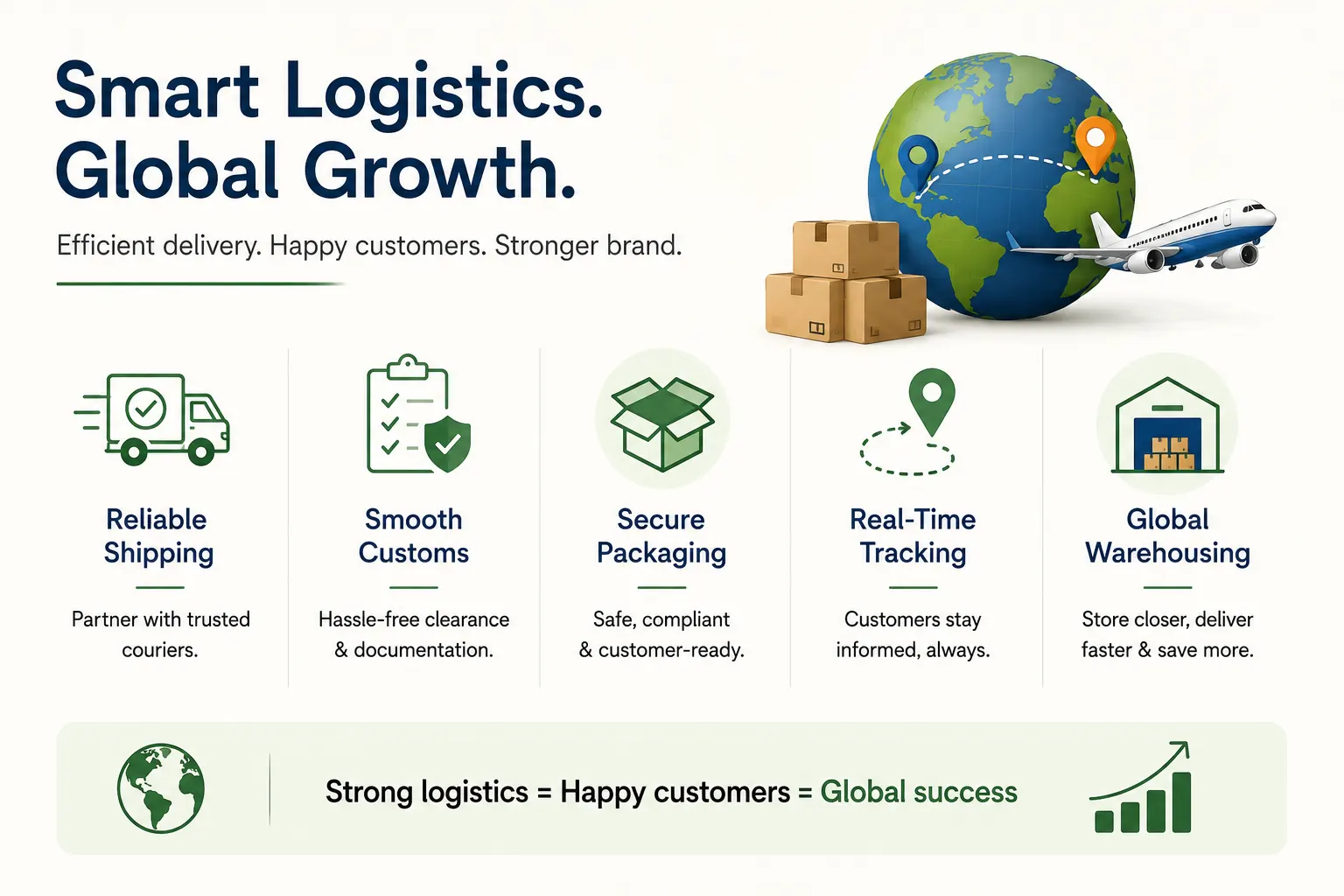
One of the biggest headaches for any global ecommerce business is managing the logistics side of things. For D2C businesses shipping internationally, you need to be able to get hold of a reliable courier service, sort out customs clearance, and make sure your packaging is up to scratch and have a system in place for tracking your packages.
Customers buying from you internationally want fast delivery, secure packaging and to get updates on their shipping without having to ask. If you let them down on any of these, it can put your brand’s reputation at risk.
Lots of companies get around this by teaming up with courier companies like DHL and FedEx.
Getting better at D2C export logistics in India has been a big help in recent years, thanks to improved courier networks and fulfilment centres, as well as better ecommerce shipping tech.
Some brands even use international warehousing solutions so they can store their stock closer to customers overseas and cut their delivery times and shipping costs.
Getting on top of your logistics is essential for scaling your D2C brand globally and keeping your customers happy in the competitive international market.
Ecommerce Export Compliance India Businesses Must Follow
Going global also means you need to be on top of all the export regulations and trade rules in different countries.
For ecommerce export compliance in India, that includes getting to grips with customs documentation, GST regulations, import-export codes, product certifications and labelling standards.
Different places have different rules about things like cosmetics, food, supplements, electronics and textiles. If you don’t get these right, you could be looking at delays, fines or even having your products banned.
Companies that make a success of exporting actually work with lawyers, customs experts and freight forwarders to keep their international operations running smoothly.
Compliance also involves doing the right thing on the invoicing and taxation front, as well as looking after your intellectual property so you’re protected in the international market.
As cross-border ecommerce in India just keeps on growing, understanding all this has become more and more important if you want to stay in the game long term.
D2C Brands Building Global Recognition
Indian D2C Brands Going Global
| Brand | Category | Global Growth Strategy | Key Takeaway |
|---|---|---|---|
| boAt | Consumer Electronics | Built an affordable, youth-focused brand with stylish audio and wearable products. | Smart pricing and strong branding can help Indian products compete globally. |
| Nykaa | Beauty & Fashion | Used its strong beauty and fashion ecosystem to appeal to a wider international audience. | A trusted niche and loyal customer base can support international expansion. |
| Indian D2C Brands | Multiple Sectors | Combine cultural heritage, genuine storytelling, innovative products, and direct customer relationships. | Indian brands have a major export opportunity in markets that value authenticity. |
💡 D2C success shows that Indian companies can go global through clever branding, product innovation, and customer-first strategies.
There are loads of Indian companies that have built themselves a global customer base by going direct-to-consumer.
Boat: Becoming an International Electronics Brand
BoAt became a household name in the international electronics market by doing one simple yet very clever thing – they priced their products to be affordable and created a brand that really spoke to young people.
Nykaa on the other hand found its feet internationally by utilising its strong roots in beauty and fashion – a really successful ecosystem that already had a broad appeal.
These D2C brands are showing us that Indian companies can take on the world through clever branding, innovative products, and getting on with their customers.
Their success also highlights all the opportunities that Indian brands have in exporting to countries where being genuine and having cultural heritage can give you an edge.
Getting Started Selling Internationally from India through Online Marketplaces
Loads of businesses kick off their international journey by using online marketplaces – and that’s because these platforms already have an established customer base and loads of global traffic.
Selling internationally from India is a whole lot easier thanks to marketplaces like Amazon Global Selling and Etsy.
These platforms give you integrated payment systems, help with international shipping and they drive marketing visibility for exporters.
For smaller businesses, marketplaces are a godsend – they take a lot of the complexity out of launching your own global ecommerce website especially if you’re just starting out.
However many brands do eventually move over to selling directly to their customers because direct to customer sales can really boost customer loyalty and profit margins.
It seems like a lot of businesses are now combining their marketplace presence with their own ecommerce websites – it’s a good strategy for any business looking to scale their D2C brand globally.
International Customer Acquisition D2C Strategies That Work for Indian Brands
Getting customers from overseas is a different ball game to getting customers in India and you need to tailor your approach.
To attract international customers, brands need to target specific communities, the global Indian diaspora, and people who are interested in buying Indian products.
They tend to use targeted advertising, get in with local influencers, create lots of content in multiple languages and tailor their promotions to specific regions.
Customer reviews and word of mouth are especially important in international ecommerce because lots of customers may have no idea who you are or what you do.
Email marketing, loyalty programmes and making customers feel like they’re getting a special deal are also effective ways to get people to come back and buy from you more than once.
The key thing is to understand that global ecommerce growth in India depends on building long term customer trust and creating products that are consistently great.
Scaling D2C Brands Globally – What’s Coming Next?
The future of Indian ecommerce exports looks really bright – more and more global consumers are moving to online shopping and making cross border purchases.
Technological advancements in things like AI marketing, logistics, and payments are all making international expansion a whole lot easier for businesses regardless of what size they are.
The Indian government is also getting quite involved in supporting exports and digital trade and that’s encouraging lots more Indian entrepreneurs to have a go at selling internationally.
Scaling D2C brands will require a combination of having a strong brand, a capable logistics system, regulatory compliance and a commitment to creating a great customer experience.
Businesses that are innovative, green and digitally savvy are going to be the ones that dominate global ecommerce in the future.
Conclusion
The rise of global ecommerce has created loads of opportunities for Indian D2C brands to reach customers all over the world.
Using digital marketing, cross border logistics and getting to know your customers better has really helped Indian businesses build successful international brands.
Of course there are still challenges like logistics, getting things right with the regulators and attracting new customers but the fact is that technology has made it easier than ever for Indian brands to go global.
The success of Indian D2C brands going global has shown that with clever branding, quality products and the right export strategy you can compete with the best of them globally. As global ecommerce grows, the future of Indian direct to consumer exports looks very bright indeed.
Frequently Asked Questions for Global D2C Brands
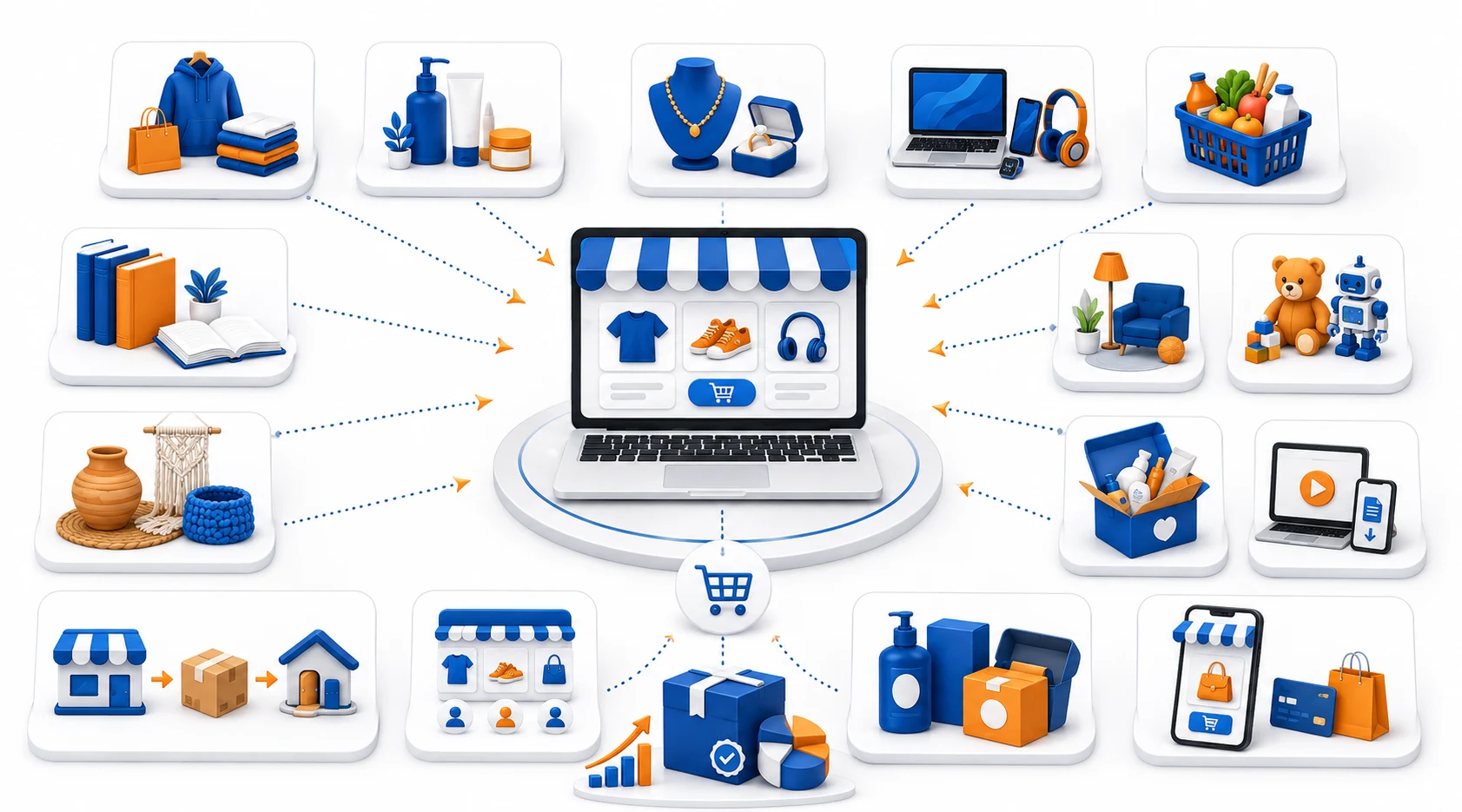
D2C brands – which is a fancy term for businesses that sell direct to consumers – put their products straight out onto the internet, cutting out the middlemen where possible & using their own websites or digital outlets.
Indian brands are going global right now because it seems there’s a real appetite across the world for the kind of affordable and authentic products they specialise in.
Cross border ecommerce lets Indian businesses sell their products out to customers in other countries – they do this through the internet & various online platforms.
Indian brands that want to do well outside their own country are usually the ones to remember their branding is strong enough to appeal to new markets. They put in some effort to get the marketing right for each different area, manage their logistics & know what the rules are. They put in the effort to build an e-commerce strategy that really puts the customer first.