
Referral marketing is becoming one of the most cost-effective and trust-driven growth strategies for D2C (Direct-to-Consumer) brands in India. By rewarding existing customers for sharing products with friends and family, brands can reduce acquisition costs, improve customer loyalty, and build long-term community-driven growth.
From cashback rewards and loyalty points to WhatsApp sharing and gamified campaigns, referral programs are helping modern ecommerce brands scale sustainably while increasing engagement and repeat purchases.
Direct-to-consumer brands in India are growing at a seriously breakneck pace, but the cost of getting new customers is catching up fast. Lots of ecommerce businesses are throwing money at ads, only to find out that paid marketing alone just can’t sustain the kind of growth they need. And that’s precisely where a rock-solid Referral Program can step in and start making a real difference for modern D2C businesses.
A well thought out Referral Program lets brands turn customers who are genuinely happy with their purchase into enthusiastic evangelists for the brand. Rather than relying on paid marketing channels to bring in new customers, brands can actually encourage existing customers to spread the word by offering rewards, discounts, cashback, loyalty points, or exclusive benefits. And that creates a snowball effect of trust-driven growth that is not only scalable but also super cost-effective.
Today, Indian consumers are heavily influenced by the recommendations they get from friends, family, and social circles. Whether they are buying fashion, skincare, electronics, wellness, or just the next food delivery, customers just trust personal recommendations way more than they trust ads. That’s why referral marketing is fast becoming one of the most powerful tools for getting new customers for D2C brands.
Why Referral Marketing Matters for D2C Brands in India
Indian ecommerce customers are getting a lot pickier about where they spend their money. With so many brands competing across so many different categories, you almost need something more than just cheap prices to get them to stick with you. And that’s where referral-based growth comes in – it’s all about building trust.
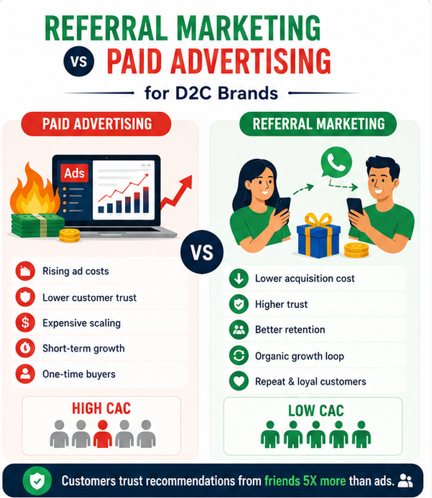
The thing about existing customers recommending products to their friends or family is that it’s just way more effective for getting new customers to actually buy. So when we compare referral marketing vs paid advertising, it’s a pretty important choice to make for any growing ecommerce company. Paid ads can get you traffic fast, but referrals usually end up with more loyal customers and lower costs to get them in the first place.
Another real big advantage is that it’s just way cheaper. Referral-driven customers need less convincing and are way more loyal to your brand, which is way better than getting new customers through expensive ad campaigns.
Referral Marketing vs Paid Advertising
A quick comparison of long-term growth and customer acquisition performance
Referral Program Ideas for Ecommerce Brands That Want to Grow Really Fast
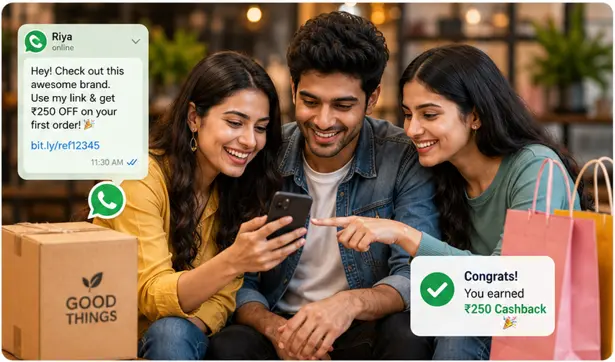
There’s no one-size-fits-all formula for referral programs – the best ideas vary depending on your audience, product, and what customers are looking for. However, some tried and true models consistently produce great results for Indian D2C brands.
Loyalty + Referral Programs for Getting People to Come Back
Combining rewards for loyalty with a referral component is a seriously powerful way to keep customers coming back. In these kinds of programs, customers earn points for every purchase they make, plus some extra points for successfully getting their friends to make purchases too.
For example, customers might earn loyalty points for every time they order something, and then they get even more points if their friends complete purchases using a link that the customer sent them.
Tiered Referral Rewards – The More You Refer, The Bigger the Reward
Something like that gets people really excited about keeping on sharing those referral links, because they know that if they do, they’ll get bigger and better rewards. This kind of referral system can make a big difference in how much people love your brand, and gets them much more excited about referring their friends too.
Refer-a-Friend Discounts during Festivals
Indian festivals like Diwali, Raksha Bandhan and Holi are some of the best times to run referral campaigns – lots of people are buying, and it’s a great chance to get your brand in front of new people.
So for example, a skincare brand might say “Refer three friends and we’ll send you a special gift hamper to celebrate the festival”, while a fashion brand might offer exclusive coupons to both the customer who refers friends, and the new customer they refer.
Cashback Rewards – Keep Giving Until They Do
Cashback rewards remain one of the most popular kinds of customer referral incentives in India because people love getting some of their money back.
And when you give customers a choice between cash back and other rewards, wallet credits, UPI cashback and shopping credits can be a good option because they encourage people to make more purchases in the future.
Freebies – You Get Some, They Get Some
Beauty and skincare brands have done really well with offering free mini-products or sample kits as referral rewards. It not only rewards the customer, but also gets them trying out new products.
Free samples work really well for getting people to try new things, and helps improve sales of
Give Them More
For businesses that sell subscriptions, giving customers a premium plan or a few extra subscription days as a referral reward can be a good way to keep them happy.
This kind of incentive structure can even help reduce churn while keeping customers pretty satisfied.
D2C Referral Strategies to Keep Customers Loyal
A lot of brands only focus on getting new customers by referrals but referrals can also help keep people coming back when done smart.
Great D2C referral strategies are way more than just giving people discounts for sharing the love – they actually make customers emotionally invested and join in.
Building Community Driven Referral Campaigns
It’s no surprise that brands that build a community around their product do way better with referrals. People are more likely to send a brand to their friends if they really love them.
To get this kind of loyalty going, brands can create private groups, invite-only referral clubs or ambassador teams to get people participating.
Getting Customers to Create Their Own Adverts
When customers are proud of something they’ve bought they’re more than happy to share it on Instagram, YouTube or even WhatsApp. This gets brands word of mouth without much extra effort.
As a bonus, brands can reward these customers for posting reviews, unboxing vids or just raving about the product on social and give them a referral code to go with it.
Using WhatsApp to Share Referrals in India
In India, WhatsApp is the absolute go to for sharing stuff. So if you’re a D2C brand in India you need to make sure your referral system is super easy to use with WhatsApp.
Many successful referral stories India wide show how local consumer behaviour can completely make or break how well a referral strategy works.
📊 Key Referral Marketing Metrics
Track these metrics to measure the success and profitability of your referral program
Viral Referral Strategies that Made Start-Ups Skyrocket
Some of the fastest growing start-ups of all time just used super simple and effective referral marketing strategies instead of spending a fortune on advertising.
The secret to making a viral referral campaign is to keep it simple – customers should be able to share the link and know what they’re getting instantly.
Using Games to Get More Referrals
Gamification can be a real game changer. Using progress bars, leader boards and milestone rewards is a great way to get people to keep sending referrals.
Many viral referral campaigns use psychology to get users excited and keep going. When you give customers something to aim for they get a real sense of accomplishment and do more.
What Brands Can Learn From Referral Campaigns That Worked
Loads of Indian and global brands have put together referral campaigns that blew it out of the water. Here are some examples to learn from:
Fashion D2C brands like to get customers to refer friends in exchange for discount coupons which gets people buying again. Beauty brands often do free products after a referral to get more trial runs going. Subscription services offer you free subscription extensions when you refer someone so you don’t get cut off. Food delivery apps are always doing cashback for both the referrer and the new user to get all that new business coming in. Wellness brands put loyalty points together with referral rewards to keep customers locked in.
How to Actually get a Referral Program that Works for your D2C Brand
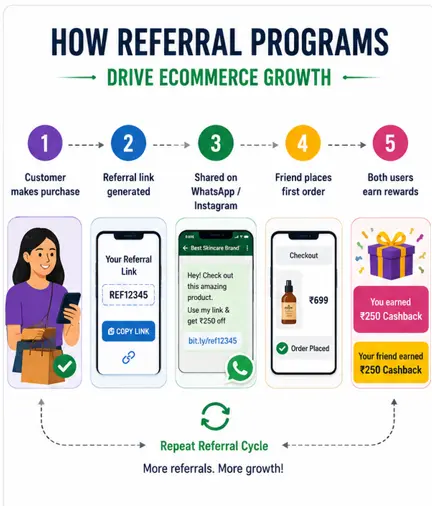
Lots of founders want to know how to create a referral program that really delivers. The truth is, it takes a lot more than just slapping one together. You need to put in some real thought, get the tech right, and get to know your customers.
Work out what you want from your referral program
Before you even start, decide whether you’re looking to get more customers on board, keep existing ones happy, and get them to buy from you again, or build a community around your brand.
Knowing what you want will help you decide how to structure your rewards and what to put in your marketing messages.
Make it easy for customers to share
You want people to be able to share your referral links in just a couple of seconds, not struggle with complicated forms or multiple steps. If you make it easy for them, they’re more likely to do it.
One-click sharing over WhatsApp, Instagram, email, and SMS is a great way to get your campaign off the ground.
Get a grip on how well your referral program is doing
You need to track all sorts of metrics to see how well your campaign is working – how many people are referring, how many sales you’re getting, and so on.
Keep an eye on all the usual suspects: referral conversion rates, cost per referral, customer lifetime value, repeat purchase rates and referral participation rates. That way you can see where you’re going wrong and make some changes.
Tell people about your referral program
A lot of brands fail to get people to use their referral program because no-one knows it exists. Don’t be that brand – promote your referral program in all sorts of places – your website, checkout pages, post-purchase emails, WhatsApp, SMS, mobile app notifications and social media.
What the future holds for referral marketing
The future of referrals is looking pretty good for Indian D2C businesses. As digital trust becomes more important, people are going to be more likely to trust a recommendation from a friend than a boring old advertisement.
With the rise of AI-powered personalisation, social commerce integration and community-based shopping, referral marketing is going to get a lot more powerful.
Conclusion
The truth is, referrals are no longer a nice-to-have for D2C businesses. They’re essential for any business that wants to grow sustainably. A good referral program can get you customers without interrupting them at all – and it can make a real difference to your business.
Frequently Asked Questions
A referral program in e-commerce is one of those sneaky clever marketing tricks that works when an existing customer recommends you to their mates – in exchange for a little something, like cash back, a discount, or even just some loyalty points.
Well, referral programs basically let D2C brands grab new customers without having to spend a ton of cash on advertising, meanwhile also increasing customer trust, getting them to buy from you time and time again, and locking in some serious loyalty in the long term.
You know what’s a hit over in India? Cashback rewards, discount coupons, some points to boost their loyalty, free products, and special deals for festive seasons tend to be pretty popular among the customers.
Yeah, even the smallest brands can get in on this action. Start with something simple like using a coupon code, sending over a WhatsApp link, or doling out some loyalty points – and then see if you can scale things up a bit as your customers start to get excited about the whole thing.
A double-sided referral program is where both the person recommending your brand and the new customer both get something – for example, the person doing the recommending gets some cash back, while the new buyer gets a discount on their first purchase.