
Business-to-consumer business model represent businesses that sell their products or services to the general public instead of selling those to corporate entities or businesses. Examples of such business-to-consumer businesses include online stores, subscription-based businesses, food delivery companies, supermarkets, and countless other types of businesses that deal with the individual consumer.
The focus is largely on customers as individuals, ensuring the buying process is convenient and encouraging repeat purchases. Companies use digital ads, social media, content marketing, search engines, email, and other marketing channels to attract customers.
If you are planning to start an online shop, build a consumer brand, or understand an existing business structure, knowledge of B2C can help you to choose the right sales and marketing strategies.
What Is a B2C Business Model?
B2C business model is defined as a business model where the company will sell their products or services directly to consumers. The term B2C means Business-to-Consumer, while B2B means Business-to-Business.
For instance, when there is an online shop selling clothes to a customer, that is B2C. There are also instances where individuals pay for services, such as a monthly subscription, as well as other transactions, like restaurants offering food to customers and retail stores selling goods for household use.
The main aim of the process should be to ensure that it is very convenient for consumers. Factors like pricing, convenience, branding, and product presentation might influence the buyer.
Unlike B2B transactions, most B2C transactions tend to take less time. An individual will be able to find a product through advertising, comparison, research, and then purchase it.
How Does the B2C Business Model Work?
The process of sales usually starts by developing a product or service that meets the needs of the consumer by the business. They are then attracted using marketing and turned into customers.
The following is the process:
The first step involves identifying consumer demands. Companies examine consumer demands, buying behavior, competitive analysis, and market trends in order to develop appropriate products.
The next step is attracting consumers. In terms of B2C, businesses may be able to lure customers through SEO, paid advertising, social media, influencers, email marketing, marketplace and referral marketing.
Once customers land on the website or physical store, or in an application, it becomes essential for the business to make sure that the purchasing process is smooth. Various factors such as product description, price, reviews, payment, and shipping all impact the conversion rate.
Following the purchase of products or services, businesses focus on satisfying and retaining customers.
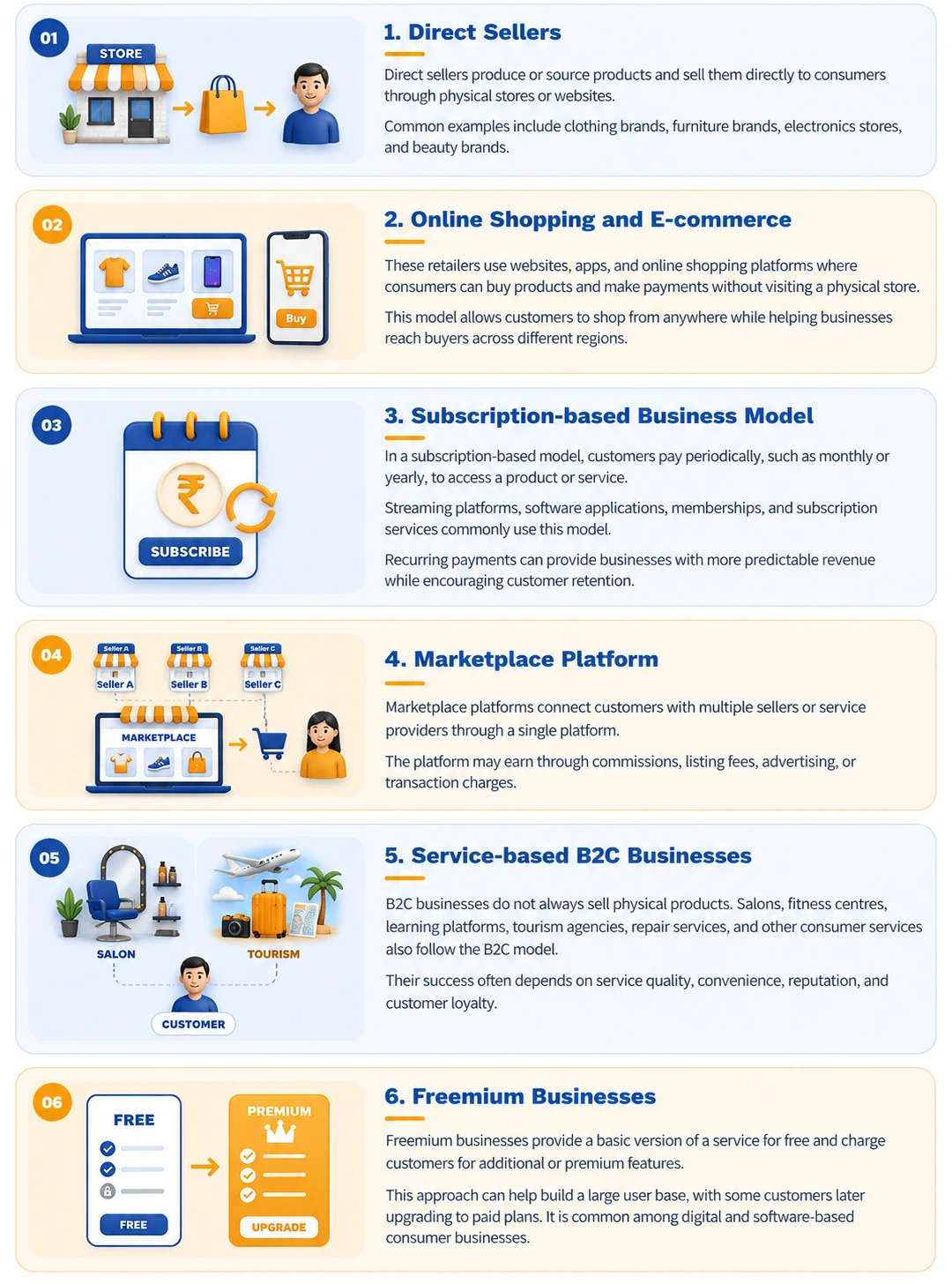
What Are the Main Types of B2C Business Models?
Depending on what type of product the business sells and how it operates, there are various ways a B2C business can be structured.
What Are Some Real-World B2C Examples?
Many popular brands prove that different models work.
These examples demonstrate that B2C does not only refer to classic retail. The category includes physical goods, digital goods, subscriptions, services, and platforms.
What Are the Key Features of a B2C Business Model?
A consumer model possesses some features that make it different from others.
Wide customer base: A B2C company can have thousands or even millions of individual customers.
Faster decision making process: Some consumer decisions do not require a lot of negotiating and approval steps unlike corporate ones.
Significant brand impact: The reputation of the company, its image, and the level of consumers’ emotions can strongly influence their purchasing decisions.
High marketing activity: Usually, the business spends a lot of money on advertising, SEO, social media, and promotions.
Consumer experience focus: Website functionality, convenience of the payment process, quick delivery, good product quality, and customer service affect customer satisfaction.
Scalable distribution: Through digital marketing channels, businesses can reach their customers outside the geographical area of the company.
Repeat purchasing: Companies need to retain their customers since attracting new ones can be more expensive than selling to current ones.
What Is the Difference Between B2C, B2B and D2C?
Despite apparent similarities of B2C, B2B and D2C, these concepts define different relationships between buyers and sellers.
The main difference between B2B and B2C is the nature of the customer and the buying process. Business clients may require quotes, procurement processes, contracts, and purchase orders, while individual consumers can buy instantly.
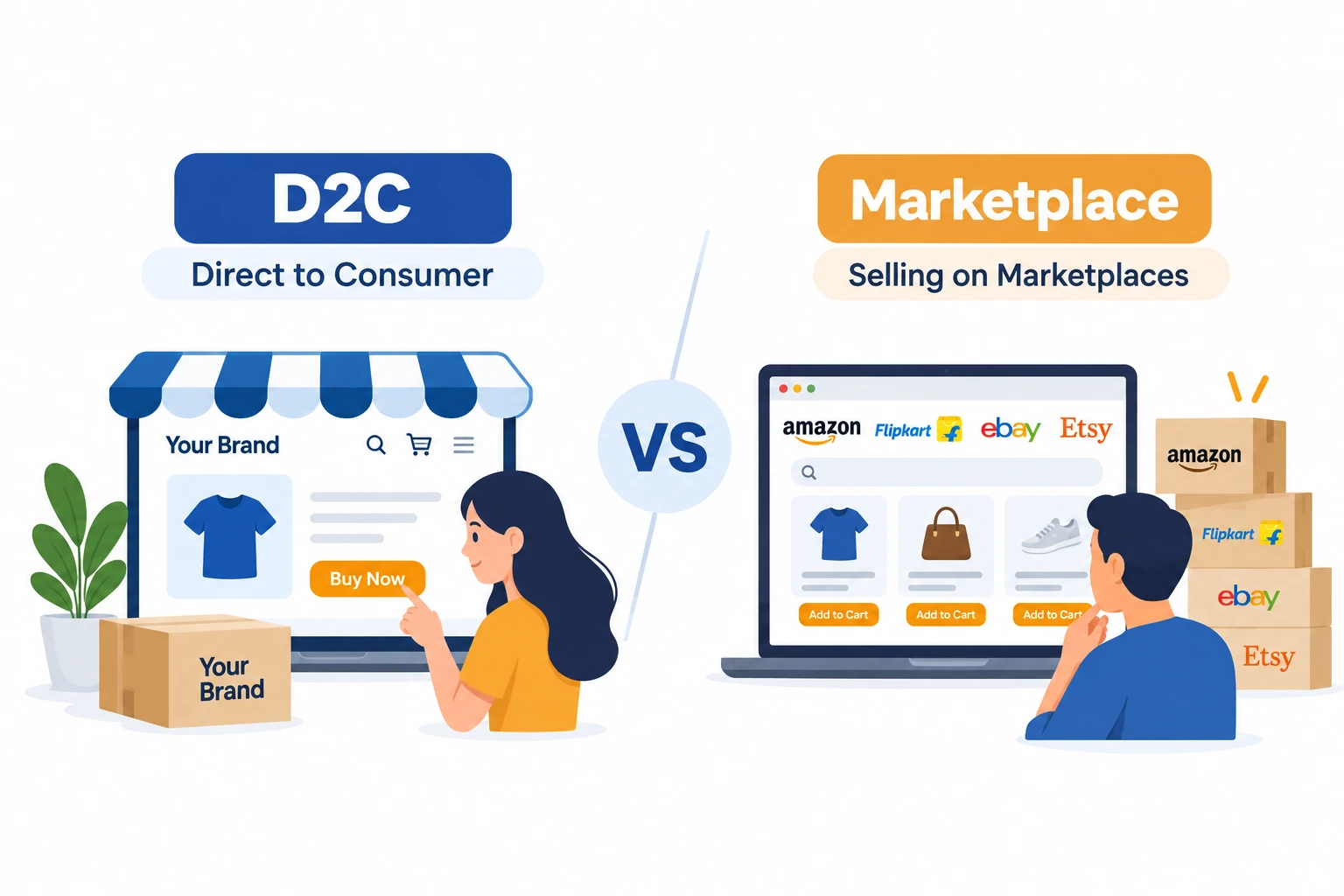
D2C is much more specific. The D2C business sells its products directly to consumers without using traditional intermediary companies like wholesalers or retailers. Thus, a D2C company is the same as a B2C company, although every B2C company does not operate by the D2C sales model.
How Does B2C Marketing and Customer Acquisition Work?
The goal of B2C marketing is to target consumers during various stages of their customer journey. The strategy uses multiple channels to generate traffic.
SEO can be used to target customers actively looking for certain products or solutions. Paid advertising can be used to create instant visibility, and social media marketing can help to create brand recognition and engagement.
The content marketing can inform consumers about the product before the actual purchase, while the email marketing can help to retain customers, and the remarketing can attract those customers who have already visited the website without making a purchase.
It is important for companies to evaluate their performance at each stage. Website visits, conversion rate, cost per customer, average order value, rate of returning customers and customer lifetime value show whether marketing activities generate profits.
What Are the Advantages of a B2C Business Model?
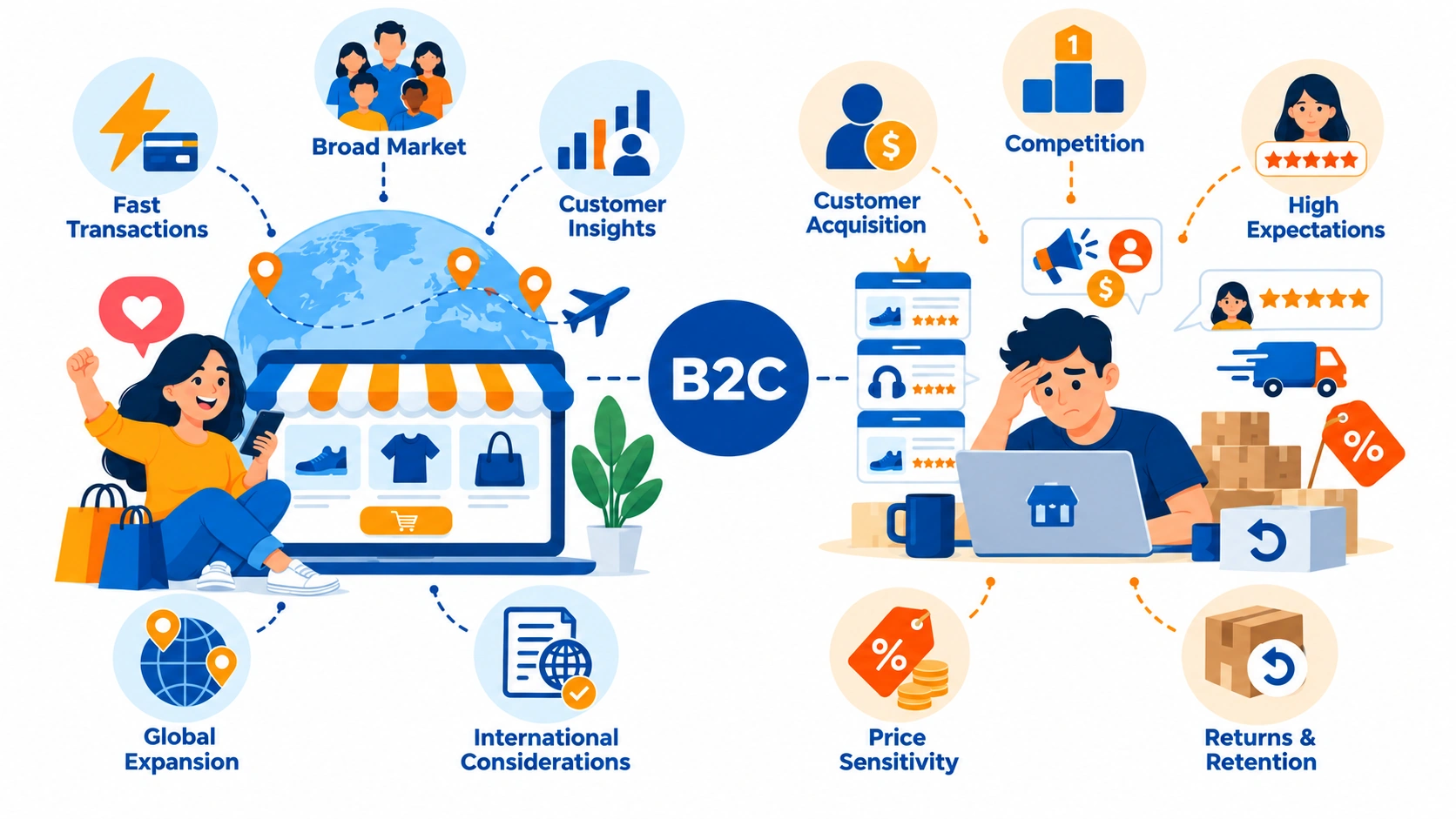
The first advantage is the size of the target market. It means that a successful consumer good can have a very broad audience, especially in the digital space.
Fast transactions are another benefit of B2C. Typically, consumers do not have to go through a long procurement process when purchasing something.
The third benefit is obtaining customer behavior data. Companies can analyze the data on browsing history, purchases, product preferences, and other aspects to improve product recommendations and marketing campaigns.
Moreover, digital commerce allows for easier international B2C expansion. The company may reach audiences in multiple countries without opening a store in each market.
Nevertheless, international business requires proper considerations regarding taxation, shipping, payment systems, consumer rights protection, data security and legislation of the country.
What Are the Challenges of Running a B2C Business?
The business-to-consumer market can be very competitive since there are plenty of options and comparisons to be done based on price, reviews, and features.
The cost of getting customers can be quite high since businesses vying for the same consumers will be required to keep spending on promotions, content and advertising.
Consumers’ expectations pose yet another challenge. Customers today expect quick deliveries, flexible payment methods, customer service, and personalized services.
Price sensitivity is also an issue that can lead to reduced profit margins especially where products can easily be compared.
Retention of consumers can also prove to be challenging considering that bad delivery services, complicated returns processes, and poor customer service can drive customers to other companies.
Is the B2C Business Model Suitable for Your Business?
This model works best for a company whose target market comprises mainly individual customers buying goods and services for themselves.
Before implementing the strategy, think about your target audience, the demand for the product, the price of the product, its distribution, the budget for marketing, and the number of times it will be bought.
You need to know whether the customers will buy the product only one time or more than once.
Business-to-consumer strategy works well if the product is easy to understand, the target market is wide, and people are able to decide without consulting others.
If your business sells highly customized products, expensive equipment, or solutions that need many approvals, it would be better to use a B2B strategy.
The best strategy will depend on whom you are selling the product to, how their decisions are made, and what value you provide to them.
Final Thoughts
B2C business model is a simple approach for businesses to market their products and services to consumers.
Its effectiveness relies on the knowledge of customers’ needs and the development of a smooth sales process throughout the entire customer journey.
Whether it is e-commerce, subscriptions, marketplaces, or consumer services, the business model is suitable for enterprises operating in completely different environments. It would be sensible to assess the potential customer base, cost of customer acquisition, level of competition, profit margins, and possibility of retention before settling on your business model.
The combination of marketing, purchasing and customer experience can make B2C a successful path for entrepreneurs.
Frequently Asked Questions
B2C stands for Business-to-Consumer. These are the businesses that sell their products and services to individual customers and not to the other businesses mainly.
Online clothing stores provide a good example of B2C business. They sell clothing products directly to the individuals using websites or physical stores.
No. While both include individual consumers, D2C specifically involves the sale of goods by manufacturers or brands to consumers without any intermediaries. B2C is the general term.
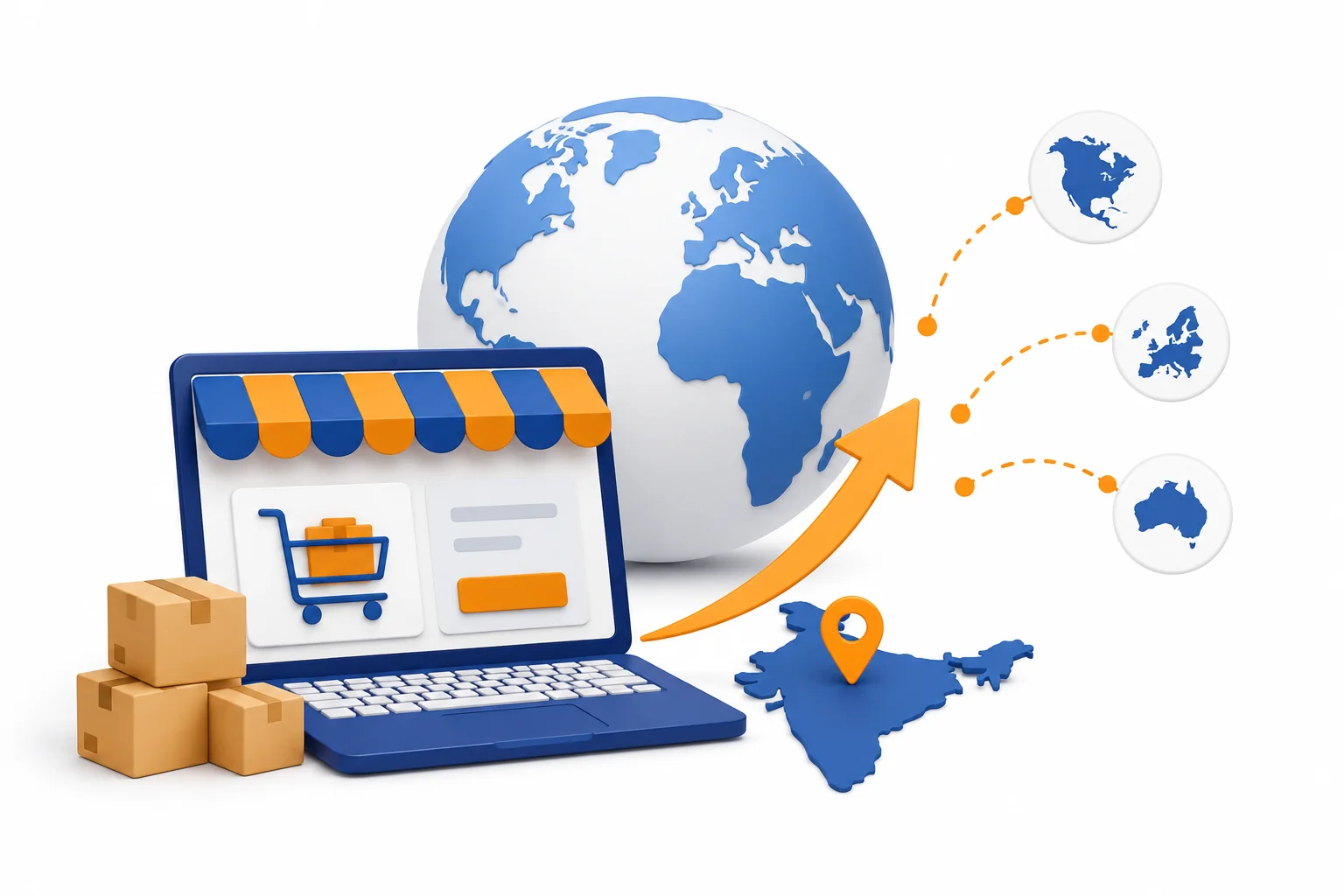
Yes. With digital technology, it is easy for consumer businesses to reach out to international customers. But to do so, businesses must take into account shipping costs, taxes, payments systems, customs, local regulations, and data privacy issues among others.