
The way the online retailing world has changed is pretty staggering. Businesses of all sizes – from those small start-ups to the giant multinationals – are now using digital platforms. This is in a bid to get their wares in front of customers faster and more efficiently than was ever possible before. The rapid growth of internet users, the spread of digital payments, and the take up of smartphones has made the ecommerce business the fastest-growing sector globally.
Entrepreneurs these days can get their online stores up and running with a minimum of hassle and expense. They scale them internationally by making clever use of all sorts of technology-driven tricks of the trade. From the sale of clothes and electronics to groceries and digital services every type of product has now got a successful online business model that’s a shining beacon for new entrepreneurs. Studying all the various ecommerce business examples out there can help wannabe founders pick the right model for their situation, get a sense of what’s hot in the market and boost that long term profitability.
Why should we be bothering to learn from Ecommerce Business Examples?
It’s a good way to identify profitable niches and emerging digital commerce business types that are really starting to gain traction globally. In countries with internet penetration rates going through the roof, like India, entrepreneurs are looking more and more at ecommerce start-up ideas. These are tailored to local consumers – who are getting ever more active in online shopping.
Ecommerce Business Models in the B2C Industry
Business-to-consumer ecommerce is probably the most popular online selling model around. In this set up, businesses sell directly to end customers through websites or mobile apps.
Amazon and the Ecommerce Marketplace Model
Amazon succeeded because it really focused on making life as easy and convenient as possible for customers. It got delivery times down to lightning speed, and the range of products is just incredible. Over time Amazon has expanded way beyond retail into cloud computing, entertainment and advertising and is now generating revenue from a whole bunch of different places.
Its success proves that successful ecommerce business models often combine technology, logistics and customer experience to really dominate the market.
Flipkart and the Rise of B2C Ecommerce Brands
Flipkart has revolutionized the way people shopped online in India, bringing ecommerce to millions of consumers. The company also pioneered such things as cash-on-delivery, easy returns and massive sales events over festive periods. Flipkart’s growth is proof of how B2C ecommerce brands can prosper by knowing the local consumer and resolving the challenges that consumers face in a particular region.
Myntra and Fashion Focused Ecommerce
Myntra’s growth strategy shows how niche-focused ecommerce business examples can outperform broad marketplaces in specialised industries.
Successful D2C Ecommerce Examples India Can Really Learn From
The Direct to Consumer Model has gotten a whole lot more popular because it lets brands cut out the middlemen and sell straight to their customers.
Nykaa and Beauty Commerce Success Story
Nykaa is one of the strongest D2C ecommerce examples India has produced in the past few years. It started out with beauty and skincare products before branching into fashion and wellness.
Nykaa’s success came from building a really strong brand, getting in with influencers, churning out tonnes of educational content, and making shopping feel super personal for their customers. By selling directly to customers, they had a lot more control over customer relationships and profit margins.
The company also shows just how popular sustainable ecommerce business practices are becoming – more and more consumers are looking for trusted and transparent brands.
boAt and Making a Youth-Oriented Brand
boAt became one of the fastest-growing audio accessory brands in India by really going after young consumers with super stylish and affordable products.
The brand relied on influencer marketing, celebrity endorsements and almost constant social media campaigns to get its name out among Gen Z and millennials. And the fact that it grew so fast shows just how much an impact branding can have on an ecommerce business.
Mamaearth and Growing a Sustainable Business
Mamaearth built a stronghold promoting toxin-free skincare and being very conscious about the environment. They built trust among parents and young consumers through digital marketing and storytelling.
B2B Ecommerce Examples, Transforming Wholesale Trade
Business to Business ecommerce platforms make it way easier for manufacturers, wholesalers and retailers to connect.
IndiaMART and Online B2B Commerce
IndiaMART is one of the biggest B2B ecommerce examples in India. It connects suppliers with buyers in industries like machinery, textiles, chemicals, electronics and packaging.
IndiaMART makes money from premium subscriptions, lead generation and advertising solutions – its success shows just how much digital commerce can simplify procurement and improve business networking.
Alibaba and Disrupting Global Wholesale Trade
Alibaba revolutionised international wholesale trade by letting businesses worldwide source goods from manufacturers anywhere in the world.
The platform simplified global sourcing, took away communication barriers and let small businesses get in on the action. Loads of entrepreneurs starting up new ecommerce businesses in India should definitely study Alibaba’s scalable marketplace structure.
Subscription Ecommerce Success Stories
The subscription ecommerce model is all about getting a monthly or yearly payment from customers on regular basis.
Dollar Shave Club and Making it Work
Dollar Shave Club shook up the grooming industry by offering affordable razor subscriptions that got delivered straight to customers’ doors.
The brand became a hit through some pretty funny marketing campaigns, affordable pricing and just making shopping really convenient for customers. Their business model created some pretty predictable revenue streams and helped keep customers coming back.
The subscription ecommerce model has now taken off in loads of industries including beauty, fitness, food delivery and entertainment.
Netflix Merchandise and Commerce Expansion
Netflix went beyond streaming into branded merchandise and ecommerce partnerships. Their strategy shows how ecommerce has become an even bigger part of the modern digital economy.
Drop shipping Business Examples That Became a Real Success Story
Drop shipping lets entrepreneurs sell products without having to deal with inventory or a big warehouse space of their own.
Meesho: A Great Example of Social Commerce Taking Off
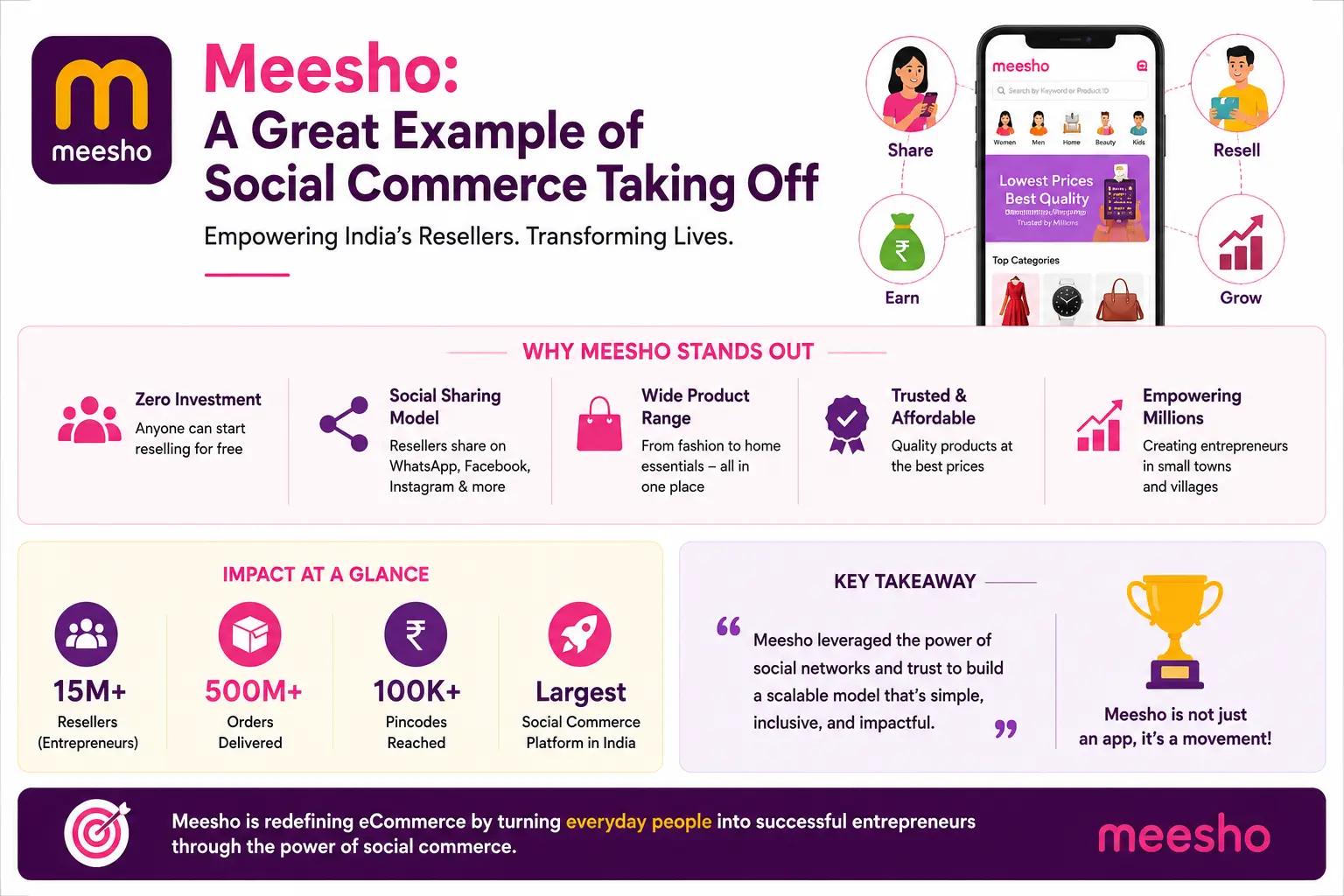
Meesho really took off by letting people resell products through social media. The company created a way for small entrepreneurs and homemakers all over India to earn some money. Its success shows just how fast a drop shipping business can grow with the help of social commerce and a mobile-first strategy.
Shopify: Niche Stores That Are Making It Big
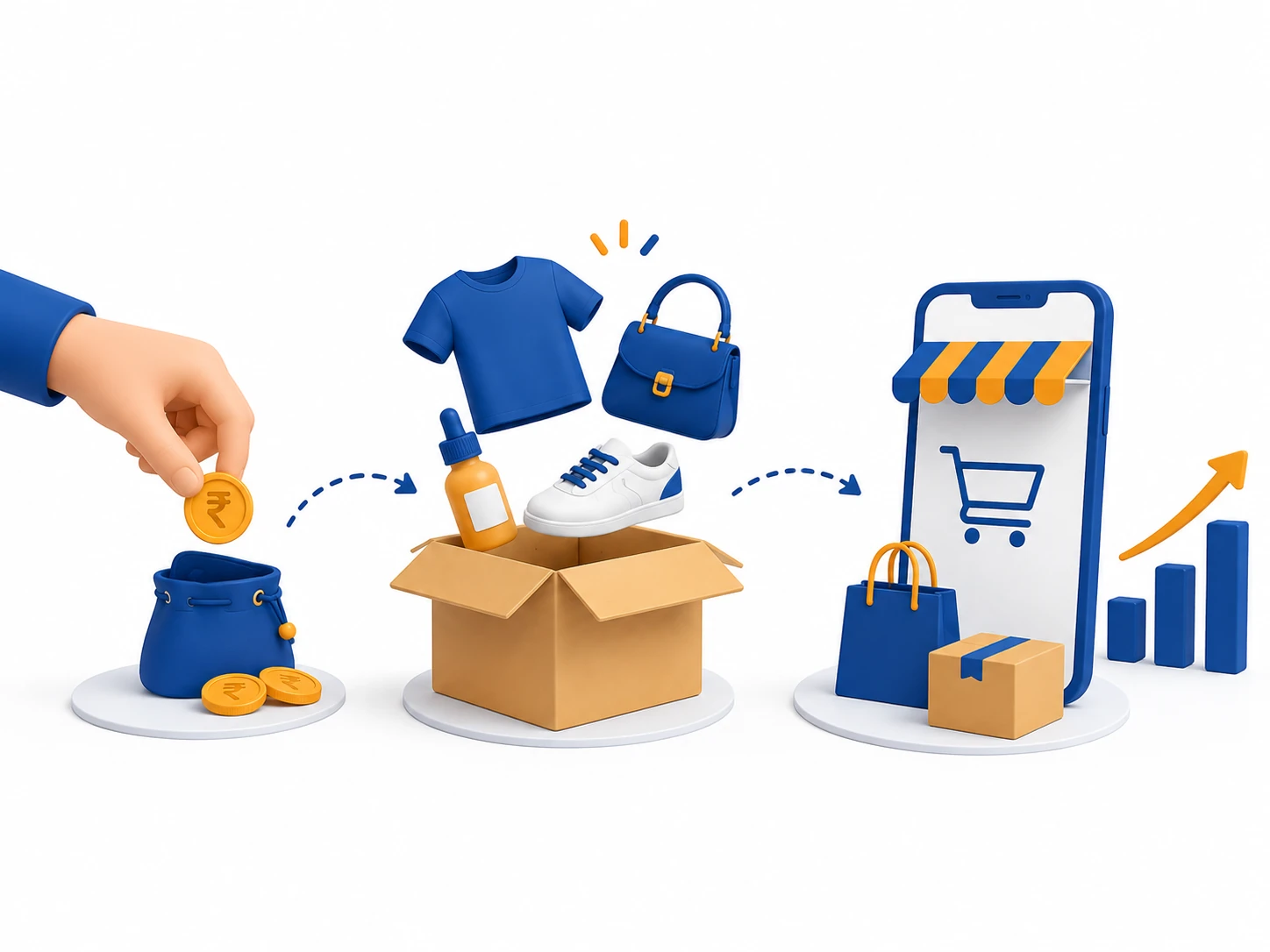
Shopify powers millions of independent online stores all around the world. Lots of small businesses use Shopify to build drop shipping stores that target a specific area, like fitness products, gadgets, pet accessories, or fashion.
The platform shows that you can launch an ecommerce business with very little upfront cash and scale up using digital advertising and automation tools.
Omni channel Ecommerce: The Future of Retail
Modern consumers often expect a seamless shopping experience whether they’re online or in a physical store.
Lens kart: Taking Omni channel Retail to the Next Level
Lens kart is one of the best examples of an Omni channel ecommerce business in India. Customers can browse eyewear online, try it on virtually and then visit a physical store for a proper eye test and to try out different glasses.
It shows that by combining online convenience with the personal touch of a physical store, you can really build customer trust and sell more.
Nike: Creating an Omni channel Empire
Nike combines ecommerce platforms, mobile apps, brick and mortar stores and personalized digital experiences to keep their customers really engaged.
The company uses data analytics and membership programs to create super-personalized shopping experiences, and shows how technology is constantly evolving ecommerce business models.
Social Commerce and Influencer-Based Ecommerce
Social media has become a really powerful way for brands and creators to sell products.
Selling on Instagram
Instagram has helped thousands of small businesses sell their products directly through their visual content and collaborations with influencers. Fashion labels, beauty brands, jewellery sellers and home décor businesses are relying more and more on social commerce to grow. As many entrepreneurs building their ecommerce start-ups in India, see that mobile users are really engaging with these types of business.
You Tubers Selling Merchandise
You Tubers are starting to sell their own merchandise by using their subscriber list and personal branding.
This trend shows how profitable online business models are now combining content creation, community engagement and ecommerce operations.
Lessons from Successful Ecommerce Businesses
One of the big lessons you can learn from all these ecommerce business examples is the importance of putting your customer first. Businesses that focus on convenience, quality service and personalization are building really strong customer loyalty.
Also, you’re not always going to need a huge investment to start a successful ecommerce business. Many online businesses start with niche products and then gradually scale using effective branding and customer retention strategies.
The Future of Ecommerce Business in India
The future of ecommerce in India looks incredibly bright with internet access, affordable smartphones, UPI payments, and a growing understanding of how the digital world works really starting to get people fired up about online shopping – especially in cities and rural areas.
We’re seeing new trends pop up all over the place, such as ecommerce that uses AI to give customers super relevant recommendations, delivery services that can drop stuff right at your doorstep, and even people buying stuff just by talking – and businesses are getting more and more serious about looking after the planet.
Social shopping and brands that are run by famous people are also looking like they’re going to explode in the next few years.
As the competition gets tougher, businesses that focus on coming up with new ideas and really putting their customers first are going to keep leading the pack in the ecommerce space.
FAQs
You’ve got your B2C, B2B, D2C, drop shipping, subscription-based online shops, and big marketplaces – to name just a few main types of ecommerce business models.
India MART is kind of the gold standard of B2B ecommerce in India – because it brings suppliers and buyers together from all sorts of different industries.
The big advantage of D2C is that you can talk directly to your customers, control your brand image, cut out the middleman and boost your profit margins, and give people a shopping experience that really feels special.