
In international trade, exporters tend to focus on finding buyers, getting their logistics in order, and increasing shipment volumes. But there’s one problem that needs to be solved – Payment Risk. International commerce involves multiple legal systems, currencies, banking processes and communication gaps that all combine to increase uncertainty and the chance of non-payment or delayed settlements.
The growing volume of cross border trade has also made it a lot easier for scammers to operate. It creates opportunities for disputes and payment delays. Many exporters are finding themselves in the position where they spend months manufacturing and shipping products, only to then struggle with getting paid from overseas buyers. This is why controlling payment risk in export business is now crucial for exporters of all shapes and sizes.
Why Export Businesses Are so Exposed
Export businesses inherently have a lot more risk than local trade, because once goods are shipped internationally, exporters lose direct control over what happens to them once they leave the country. If the overseas buyer decides to delay payment or refuses to accept the goods, it can be difficult to get your money back. The law of the land is not always on your side.
One major worry is international trade payment risk, where payment disputes can arise because of currency fluctuations, banking delays, document mismatches or contractual misunderstandings. And on top of that, different countries have different commercial laws, which makes dealing with disputes costly and complicated.
Another challenge is the cross-border transaction risks, associated with the complexities of international banking systems. Payments may go through intermediary banks, which can cause delays and make transaction costs even higher. Currency restrictions in some countries can also stop buyers from transferring money on time.
And then there are the exporters who underestimate the seriousness of buyer default risk export situations altogether. A buyer in another country may genuinely be facing financial problems, bankruptcy or even restrictions imposed by their government – or they could be a fraudulent buyer just looking to avoid paying up after receiving the goods.
What Delayed Export Payments Can Do to Businesses
One of the biggest operational problems exporters face is delayed export payments. Even when the buyer finally pays up, delays can cause all sorts of disruption in your business operations.
You see, exporters typically put in a lot of cash upfront on raw materials, manufacturing, packaging, transportation, customs clearance and documentation before the goods even leave the country. If payments are delayed by 60-120 days, businesses start to struggle to keep going – and may have to resort to loans or high-interest credit facilities.
The impact becomes even more serious for smaller exporters who operate on pretty tight margins. A few unpaid invoices can actually stop production dead in its tracks. And many exporters also lose opportunities to accept bigger orders because their capital gets locked up in pending receivables.
The issue of export business financial risk becomes even more severe when the world economy is slowing down. Buyers may deliberately postpone payments to help manage their own cash flow problems – which leaves the exporter facing most of the financial fallout.
Common Causes of International Trade Payment Problems
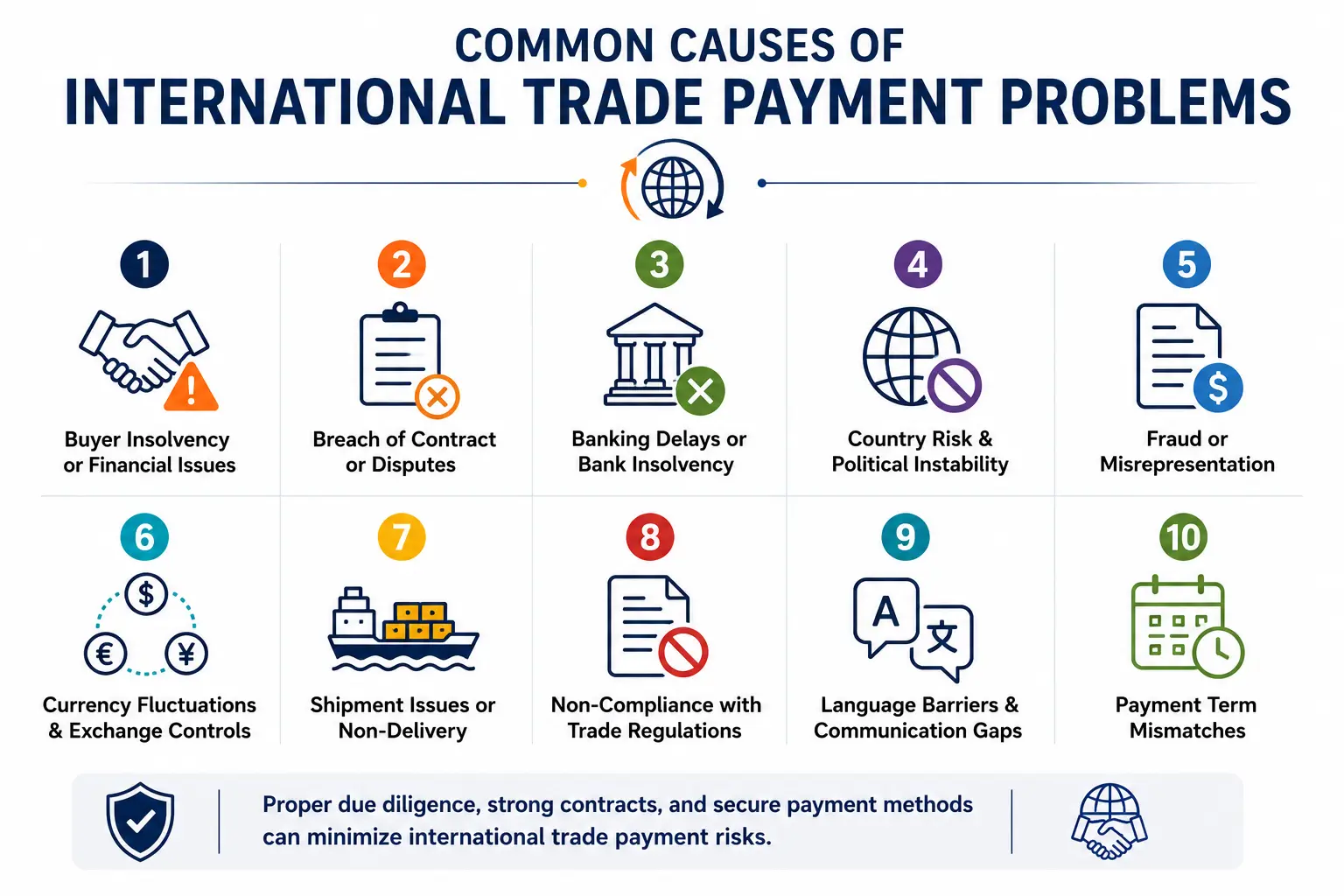
Weak Buyer Verification Process – A Major Pain Point for Exporters
One of the most common reasons for payment disputes is exporters rushing into agreements after receiving attractive inquiries online, without doing their due diligence. Many exporters make the mistake of not properly checking out their buyers, often with disastrous results.
Conducting proper foreign buyer verification India procedures before signing contracts can really pay off in terms of reducing payment-related issues. Exporters should dig into company registration records, trade references, bank details, credit history, and import records before offering credit terms.
When Documentation and Contract Errors Go Wrong
Documentation mistakes are another huge cause of payment disputes. International trade requires exporters to get their invoices, packing lists, shipping bills, certificates, and customs documents spot on – and even then, it’s not a guarantee. Small errors can cause banks to reject documents or buyers to delay payment approval, which can put a real strain on cash flow.
Problems related to export invoice payment security often arise when exporters fail to get their contracts right. Ambiguous agreements regarding shipment dates, inspection standards, penalties, and quality expectations are a recipe for disaster later on.
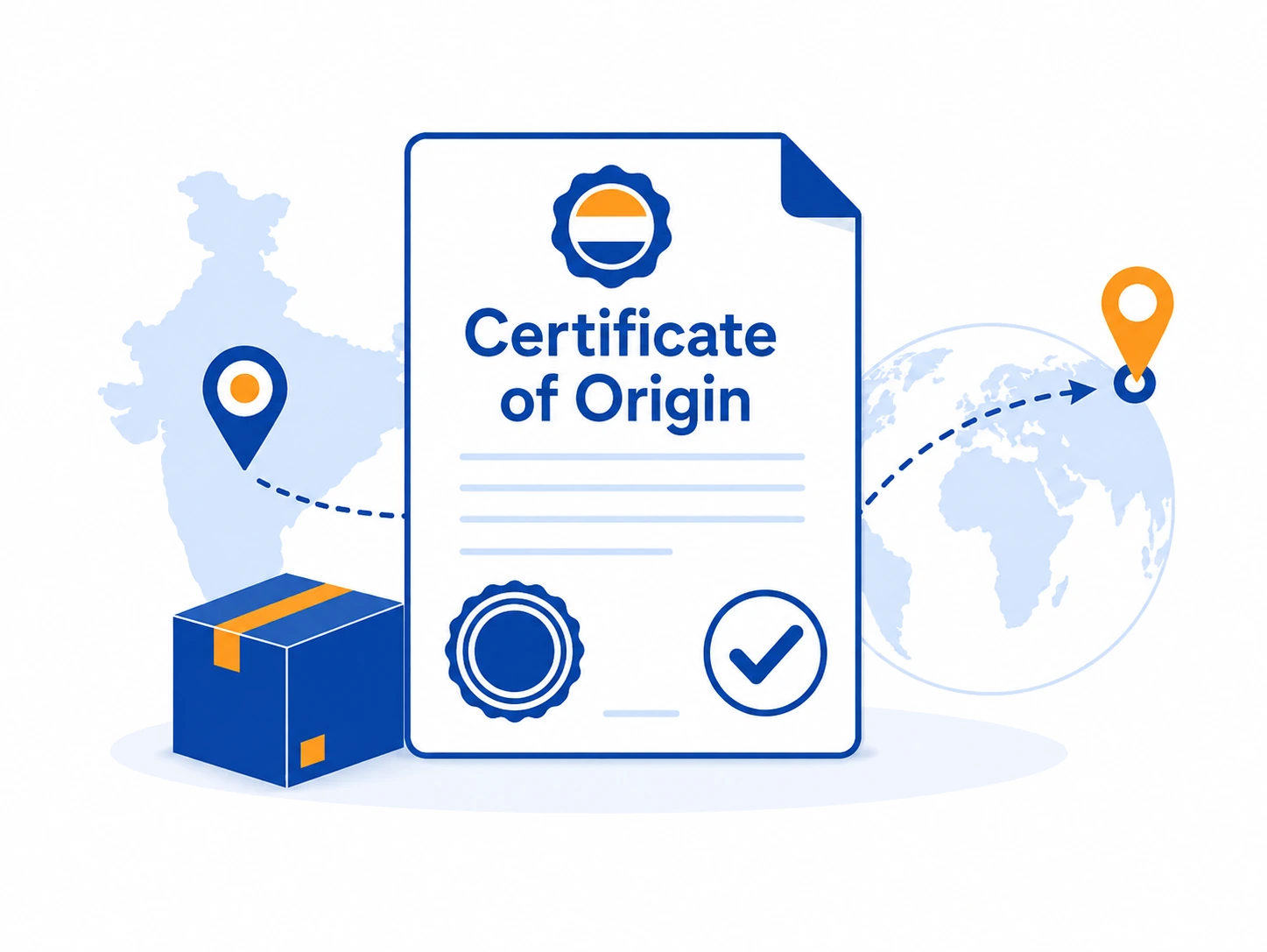
The Impact of Politics and Economics on International Trade Payments
And then there’s the impact of politics and economics on payment timelines. Political instability in importing countries can cause a real headache for exporters. Government restrictions, foreign exchange shortages, sanctions, or sudden economic crises make it impossible for buyers to transfer funds even if they intend to pay.
Currency depreciation in the buyer’s country can also cause problems – buyers facing losses due to exchange fluctuations often ask to renegotiate contracts or delay settlements, which can be a real challenge for exporters.
Payment Risk and Export Fraud – The Modern Scam
Modern export fraud has become a real problem due to the power of the internet and online marketplaces. Many exporters receive fake purchase orders from overseas companies pretending to be genuine importers, and it can be very difficult to spot the difference.
The importance of export payment fraud prevention has increased because scammers have got so much more sophisticated – they use cloned websites, fake bank confirmations, and forged shipping documents to look like the real deal. And some even make small advance payments initially to build trust before placing large orders and disappearing into thin air.
The Safest Payment Methods for Exporters
Choosing the right payment method is one of the best ways to reduce risk in export business – and there are some payment systems that offer much more protection than others for both exporters and buyers.
The debate around Letter of Credit (LC) vs advance payment is a common one among exporters. Advance payment gives you maximum protection because funds are received before shipment – but many international buyers are reluctant to pay fully in advance, especially for large orders.
Among the most secure payment methods for exporters, confirmed Letters of Credit are often the preferred choice for high-value transactions or new buyers – especially if you’re not 100% sure about the buyer.
The Role of Banks in Reducing Export Payment Risk
Banks are super important when it comes to keeping international trade safe. As an exporter, you want to work with a bank that really knows its stuff about global trade finance and all the rules that come with it.
Your bank will help sort out document verification, sending money, handling currency conversions and acting as a safety net against payment issues. Some banks will also offer export credit insurance and invoice financing to keep things ticking over.
When problems crop up during international trade disputes and payment issues, having a strong banking relationship can be a lifesaver. Your bank should be able to help you whether a transaction is stuck, communicate with the other side and sort out any disagreements quickly.
How Exporters Can Protect Themselves from Buyer Default
Sorting out buyer default risk and exports is all about a mix of good financial planning, some solid legal groundwork and good old-fashioned discipline in getting things done.
You should really try to avoid relying on just one big international buyer. Diversifying that customer base across different countries cuts down on the risk of one buyer defaulting, so you don’t lose the lot if things go wrong.
Credit insurance is another pretty effective way to cover your back. This type of insurance will kick in if the buyer can’t pay up because they’ve gone bust or are just causing problems.
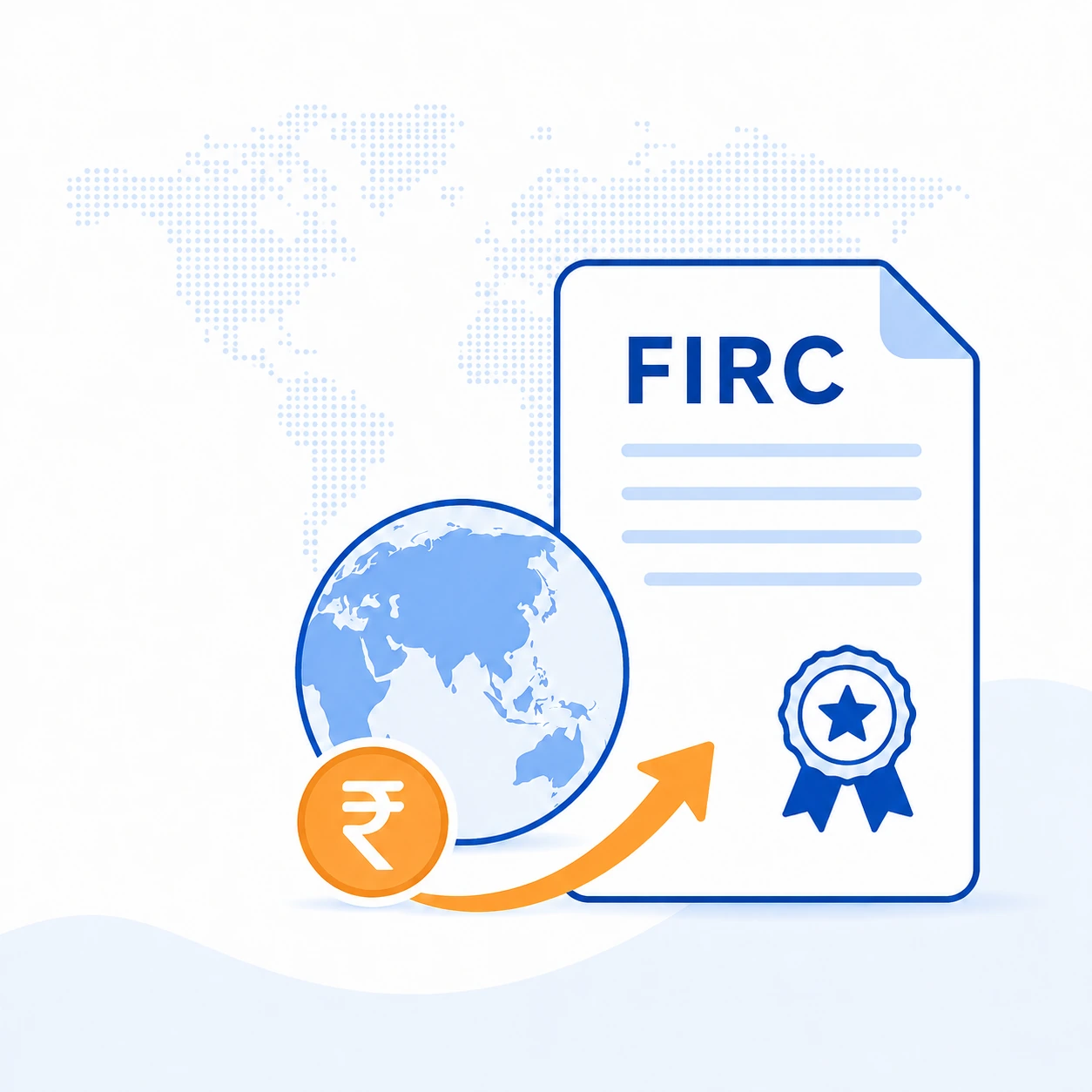
Technology and Digital Solutions for Payment Security
Technology has definitely improved the efficiency of international trade but it’s created some new cyber risks that we need to watch out for. Many exporters now rely on email, online banking and digital documents.
Unfortunately, this means that scammers are more likely to target you with fake payment instructions or by hacking into your email account. Some businesses unwittingly send money to the wrong bank account because they’ve been manipulated through email.
There are now digital tools for export invoice payment security that include encrypted messaging platforms, block chain based trade documentation and automated systems for checking compliance. These tools help reduce the risk of scams and improve the transparency of transactions.
AI and trade analytics platforms are also helping exporters to get a better handle on buyer credibility. You can now check out a potential buyer’s payment history, credit record and market rep before deciding whether to ship off.
Why Small Exporters Are More Vulnerable
Small exporters often have more to lose because they have less bargaining power and fewer financial reserves. In order to get an export order, they may agree to payment terms that bigger companies wouldn’t touch.
Unfortunately, lots of small businesses lack access to professional legal advice and international trade expertise, which means they’re more likely to make mistakes with documentation and contracts.
If you’re new to exporting, you might not even know when things are going wrong. Inexperienced businesses may overlook warning signs like sudden urgency requests or requests for payment term changes. Without the proper systems in place, small exporters become a much easier target for scammers and delayed payments.
The problems of payment risk in export business are therefore much more severe for small exporters than for big multinational corporations.
Building a Long-Term Risk Management Strategy for Exporters
Exporters just can’t eliminate all the risks that come with international trade, but they can certainly build systems that minimize their exposure to these risks. To do this, they should have a proactive risk management strategy in place. This should include things like screening buyers thoroughly and setting up payment plans that are secure. They should also get insured, and keep a close eye on things to make sure no surprises pop up.
The way you communicate with buyers is also super important in preventing misunderstandings. Making clear expectations when it comes to things like payment schedules, shipping terms, and quality standards can definitely help to avoid conflicts later on.
If a company prioritizes protecting its finances, then they are more likely to grow steadily in the international market. Neglecting export business financial risk can lead to some pretty big losses even if sales are looking good on the surface.
The Bottom Line
Global trade opens up a huge amount of opportunities, but it also exposes exporters to a lot of financial uncertainty. Among all the operational challenges, Payment Risk is one of the biggest worries because it has a direct impact on cash flow and the survival of a business.
From fraudulent buyers to banking delays, to political instability and documentation disputes exporters face a whole host of threats during international transactions. Issues related to Cross Border Transaction Risks, delayed settlements, and buyer defaults can quickly turn a profitable deal into a financial loss.
Frequently Asked Questions
Payment risk in export business is the chance that an overseas buyer may not pay up, or delay payment, or only partially pay for the goods and services that you exported.
Among the safest payment methods for exporters, advance payment and confirmed Letters of Credit are generally the most secure – they significantly reduce the chances of you not getting your money.
Businesses can improve export payment fraud prevention by making sure they verify buyers properly, using secure banking channels, checking trade references, and avoiding tricky payment terms with buyers.
The main difference between Letter of Credit (LC) vs advance payment is how the risk is distributed. Advance payment fully protects the exporter, whereas Letters of Credit give you bank-backed assurance, once you submit the shipping documents the way they are supposed to be