
The Food and Drug Administration (FDA) is one of the most critical regulatory bodies in the United States, ensuring public health by overseeing food, drugs, medical devices, cosmetics, and other products. The FDA regulations and approvals are vital for maintaining the safety, efficacy, and security of products that millions rely on daily. This blog explores the role of the FDA, its benefits, and how it impacts businesses, including exporters and importers.
The origins of the FDA date back to the late 19th century and early 20th century when concerns over food and drug safety were growing. During this period, unregulated industries led to the widespread distribution of dangerous and mislabeled products. The FDA was officially established in 1930, evolving from earlier regulatory agencies. The Federal Food, Drug, and Cosmetic Act of 1983 significantly expanded its powers, requiring new drugs to be proven safe before marketing.
Today, the FDA is a global leader in public health protection, setting standards for industries worldwide and ensuring that consumers have access to safe and effective products.
The Role of FDA
The FDA is responsible for enforcing laws that regulate the manufacturing, distribution, and sale of food, medicine, and other consumer products. Some of its primary functions include:
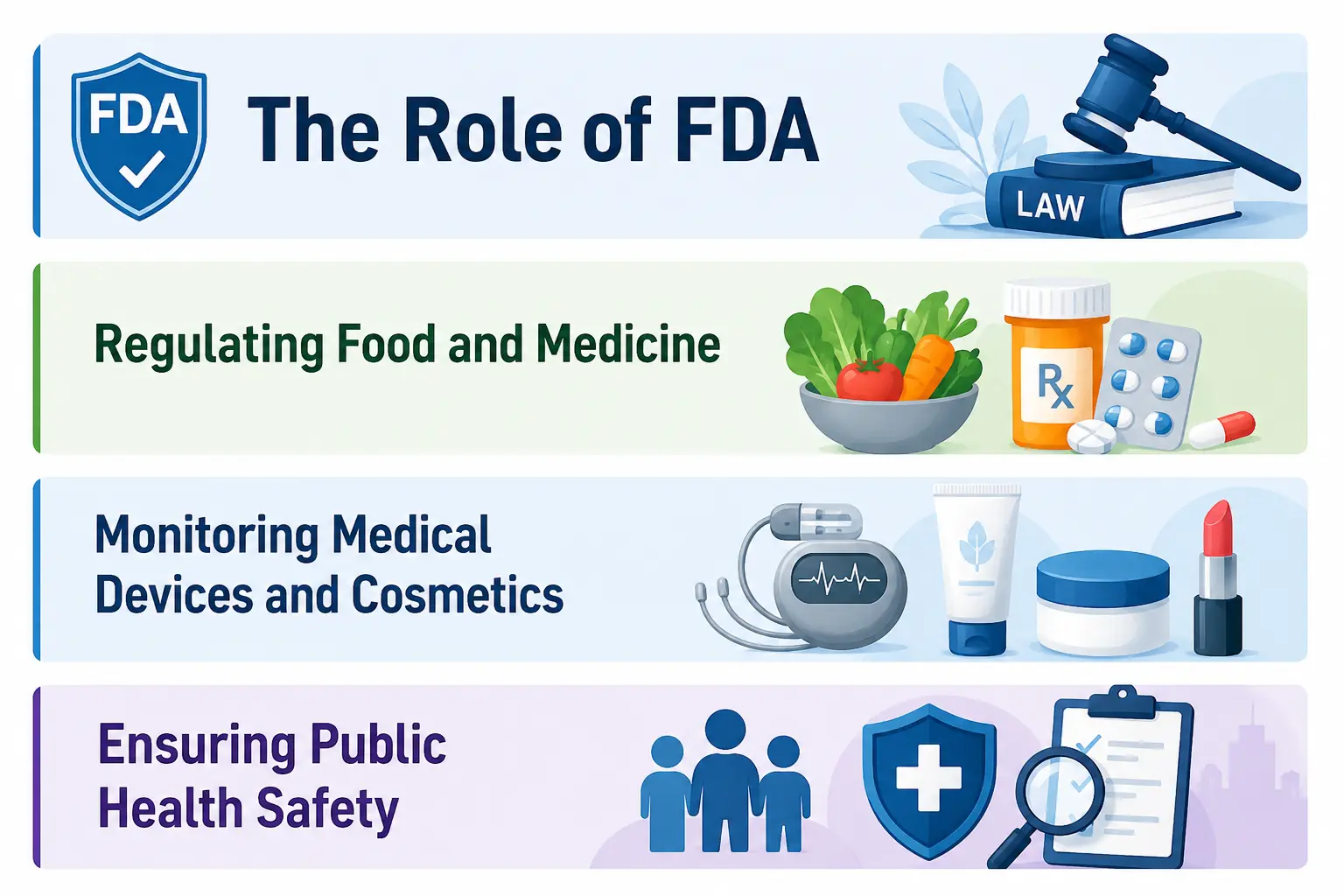
Regulating Food and Medicine
The FDA ensures that all food and drug products sold in the U.S. meet strict safety and quality standards. This includes evaluating new medications and food additives before they enter the market. The FDA approval for food and medicine is a crucial step that protects consumers from harmful substances and ensures the efficacy of drugs.
Monitoring Medical Devices and Cosmetics
Medical devices such as pacemakers and prosthetic limbs must undergo rigorous testing before receiving FDA approval. Similarly, cosmetics are monitored to ensure they do not contain harmful ingredients and that their labels are not misleading to consumers,
Ensuring Public Health Safety
Through continuous research and development oversight, the FDA provides guidance on public health concerns, including vaccines, disease control, and emerging health threats. It also collaborates with other health agencies to control disease outbreaks and respond to emergencies such as pandemics. The FDA’s role extends the regulation of tobacco products and the oversight of veterinary medicine to ensure animal and human safety.
Regulating Imports and Exports
For businesses involved in international trade, how FDA regulates imports and exports is a crucial factor. The FDA monitors products entering the U.S. to ensure they comply with American safety and quality standards. Any non-compliant goods are denied entry. Additionally, the FDA ensures that exported goods meet international safety regulations, allowing U.S. businesses to compete in global markets. The administration also enforces guidelines to prevent counterfeit or substandard goods from entering the U.S. supply chain.
FDA Certification Process
FDA Guidelines for Dietary Supplements
Dietary supplements are a growing industry, and the FDA plays a crucial role in regulating them. The FDA guidelines for dietary supplements ensure that these products are safe and labeled corrected. While supplements do not require pre-market approval, manufacturers must provide evidence that their products are safe for consumption and free from harmful substances.
Ingredients Verification
The FDA requires supplement manufacturers to verify that all ingredients used in their products are safe and accurately listed on the label.
Manufacturing Standards
Dietary supplements must be produced in facilities that follow Good Manufacturing Practices (GMP), ensuring consistent product quality and safety.
Labeling Requirements
The FDA mandates that dietary supplement labels include ingredients lists, serving sizes, and nutritional information to prevent misleading claims. Any health-related claims must be substantiated with scientific evidence.
Adverse Event Reporting
Manufacturers and distributors must report any serious adverse effects associated with dietary supplements, allowing the FDA to take action if necessary. Consumers are also encouraged to report any adverse effects they experience when using these products.
Benefits of FDA Regulations and Approvals
Conclusion
The FDA regulations and approvals play a fundamental role in ensuring public health and safety. Compliance with FDA standards is not only a legal requirement but also a strategic advantage for businesses looking to expand into new markets. By adhering to FDA guidelines, companies can build consumer confidence, avoid legal troubles, and ensure product safety. Furthermore, the FDA’s role in research and continuous monitoring of public health risks allows for advancements in medicine, food safety, and technology. This ongoing commitment to regulation and improvement fosters a society where individuals can trust the products they consume daily. As industries continue to evolve, the FDA will remain a crucial player in protecting public health, ensuring innovation thrives while maintaining the highest standards of safety and efficacy.
FAQs
The FDA regulates food, drugs, medical devices, cosmetics, tobacco products, and dietary supplements to ensure public safety.
The FDA approval process varies depending on the product. New drug approvals can take several months to years, while food and cosmetic approvals may have shorter timelines.
No, dietary supplements do not require pre-market FDA approval, but they must meet safety and labeling standards set by the FDA.
The FDA conducts post-market surveillance, inspections, and adverse event monitoring to ensure ongoing product safety.
While FDA approval is not always required for exports, products must comply with the importing country’s regulations. The FDA provides export certificates to verify compliance with safety standards.