
Understanding HS Code for Makhana
Makhana, also known as fox nuts or lotus seeds, is a popular Indian superfood used in roasted snacks, sweets, and Ayurvedic formulations. It is cultivated from the Euryale ferox plant and classified under agricultural produce in the Harmonized System (HS) for international trade, customs clearance, and taxation.
Makhana falls under Chapter 08 – Edible Fruits And Nuts; Peel Of Citrus Fruit Or Melons. The key heading is:
HS Code 08109090 – Other edible parts of plants, dried (including makhana).
Importance of HS Code for Makhana
Using the correct HS code for makhana is essential for:
- Customs Clearance: Ensures smooth export/import processing.
- GST Compliance: Helps determine the applicable tax slab.
- Export Incentives: Eligible under schemes like RoDTEP.
- Food Safety Certifications: Aids in regulatory classification for FSSAI, APEDA, etc.
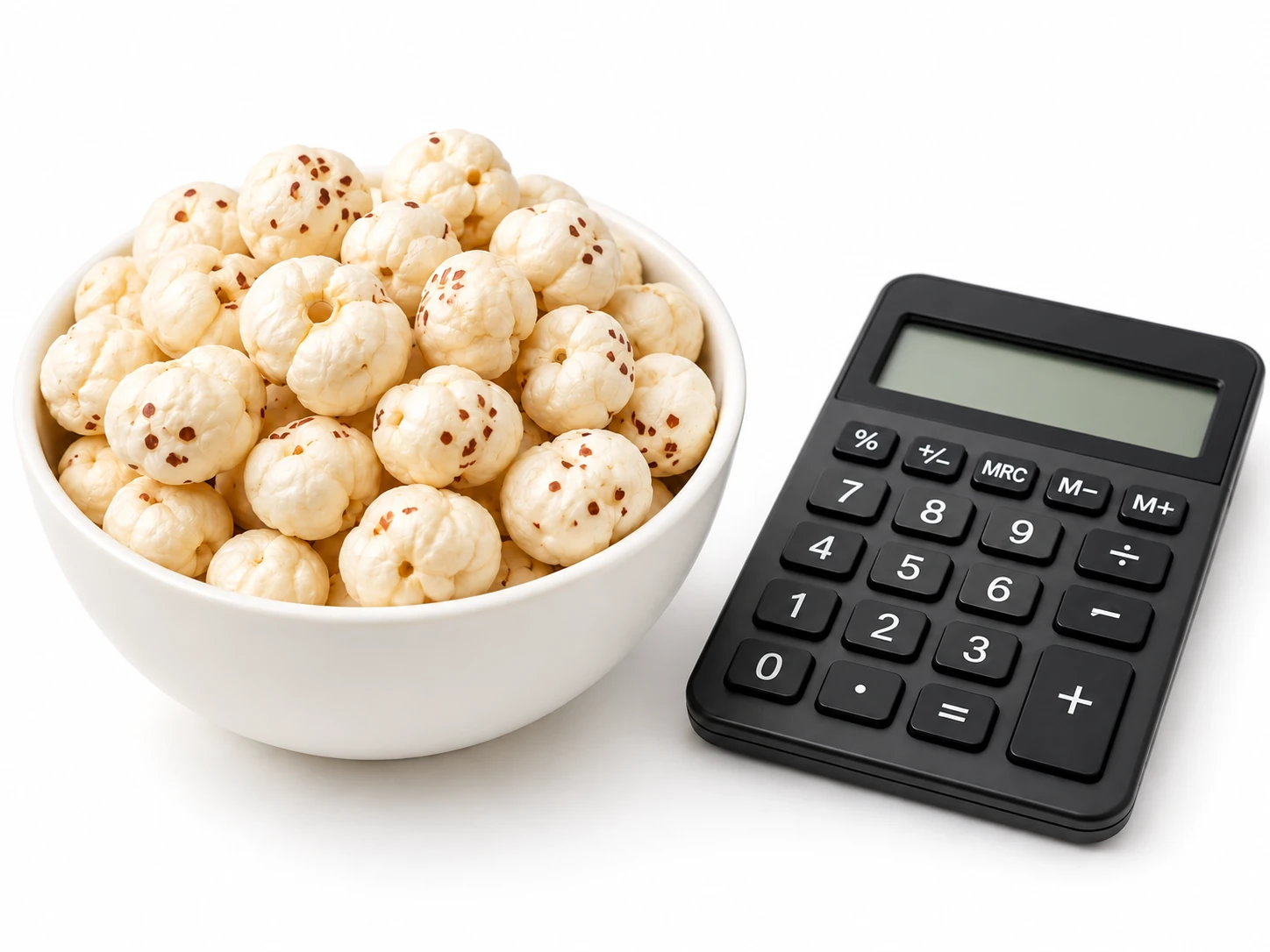
Check Shipping Rates for Makhana
Estimate international shipping costs for makhana before you ship.
Calculate Makhana Shipping RateHS Code Classification for Makhana
HS Code for Dried Lotus Seeds (Fox Nuts)
The Harmonized System (HS) is an international standard to classify traded products.
Broadest level of classification
Product category within the chapter
More detailed product description
India-specific statistical item
Makhana is generally classified under:
| HS Code | Description |
|---|---|
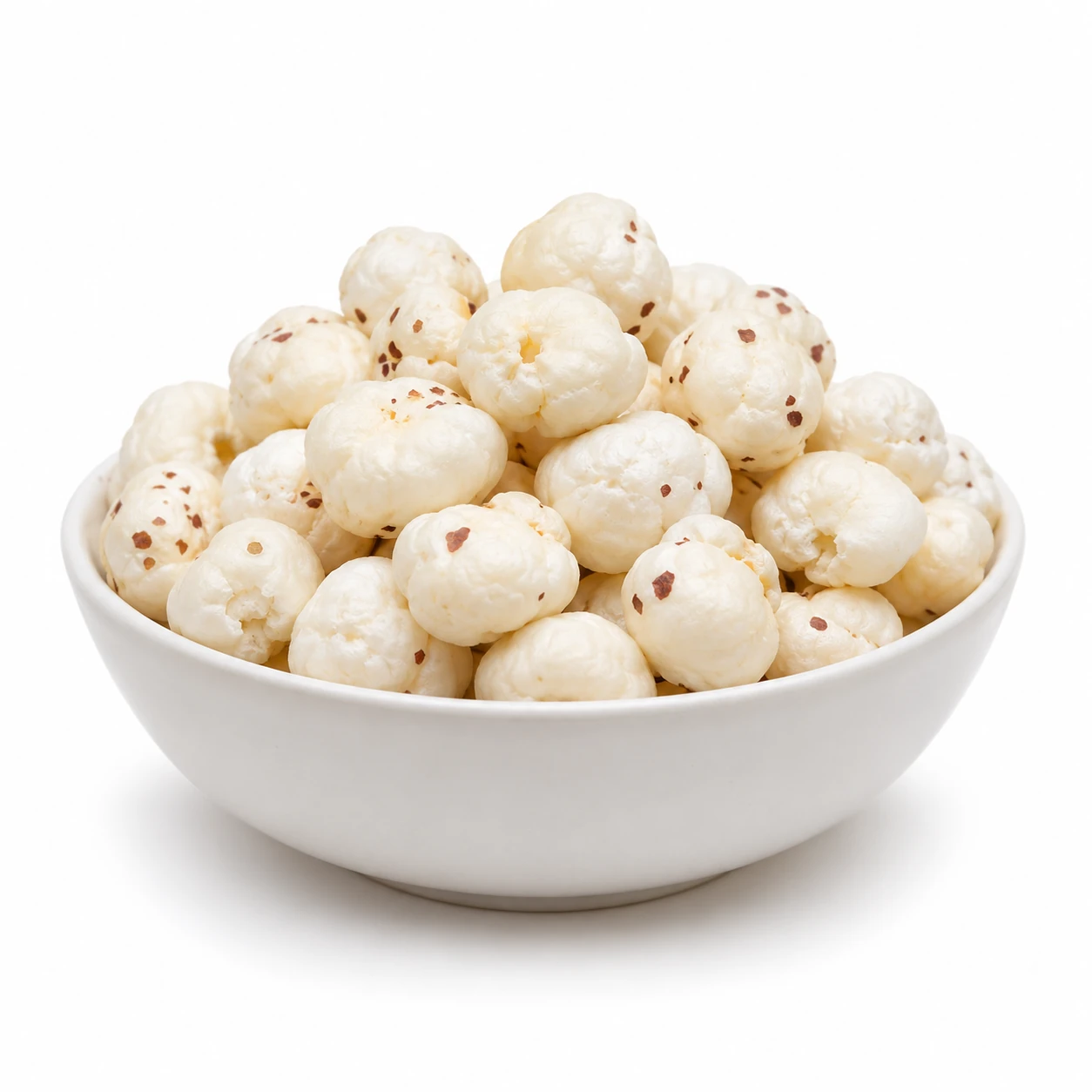
| 08109090 | Dried lotus seeds (fox nuts), not elsewhere specified |
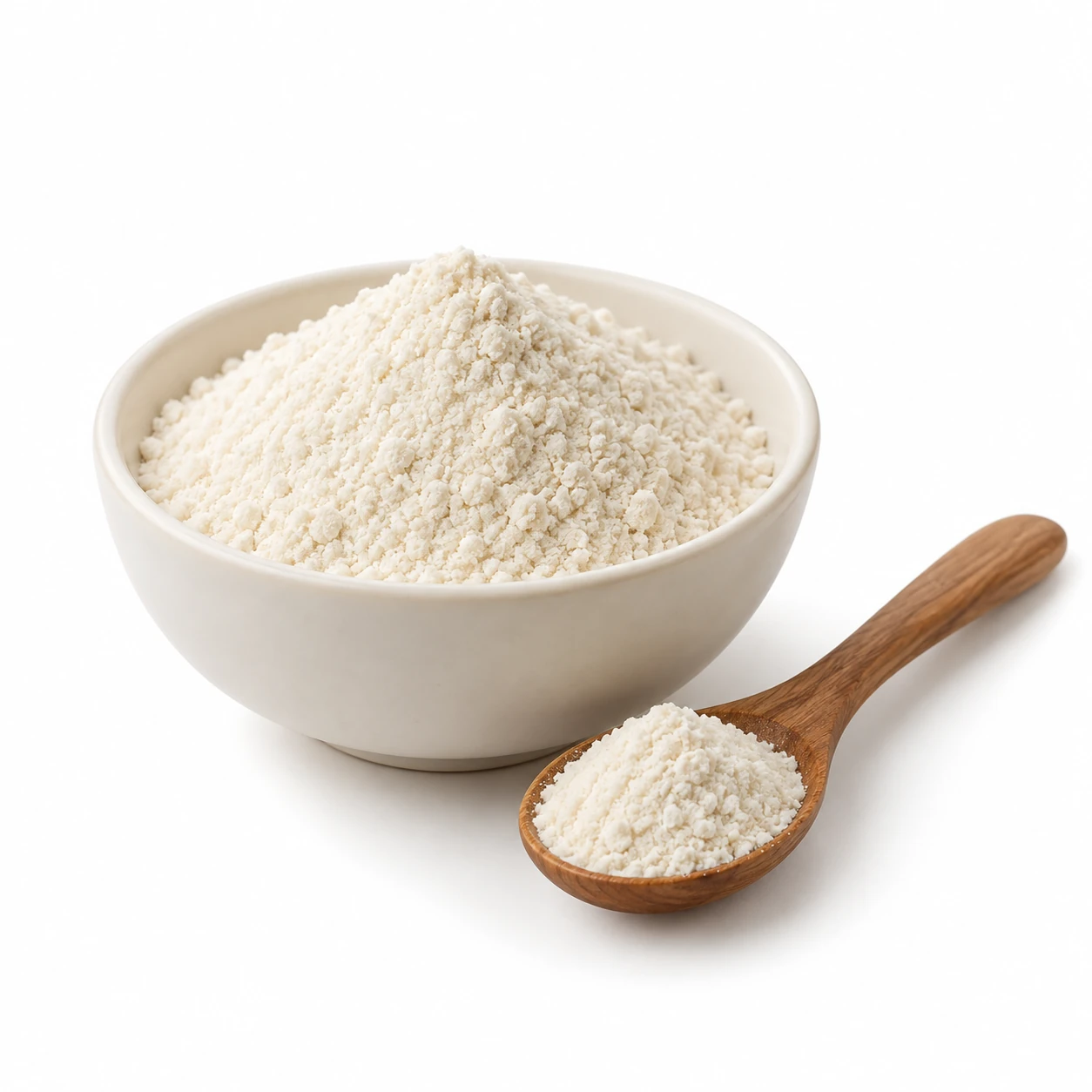
| 11063090 | If ground or powdered (used in flour or mixes) |
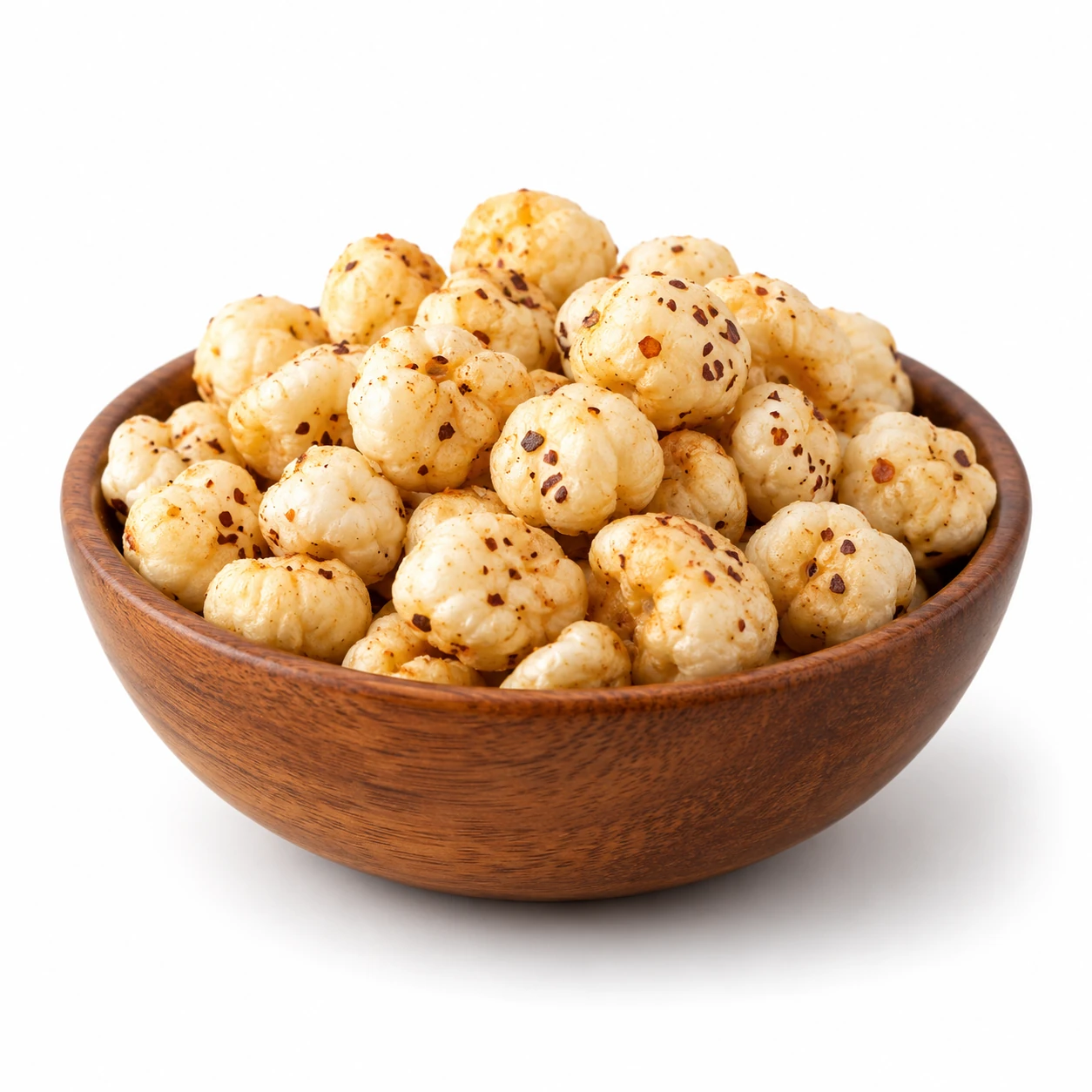
| 20081990 | Makhana if roasted and processed with additives (value-added snack form) |
GST Rates for Makhana in India
Makhana, also known as fox nuts, is a widely consumed healthy snack in India. The applicable GST rate on makhana depends on factors such as branding, packaging, and level of processing. Understanding these classifications is important for proper GST compliance and pricing.
GST rates on makhana vary based on whether it is unbranded, packaged, or processed into ready-to-eat snacks.
GST Slabs for Different Types of Makhana
Unbranded Makhana
Loose or wholesale makhana sold without packaging or branding is fully exempt from GST.
Applicable GST Rate: 0%
Branded or Pre-packaged Makhana
Makhana that is sold in branded or packaged form falls under a taxable category.
Applicable GST Rate: 5%
Roasted or Flavoured Makhana
Processed makhana, such as roasted or flavoured snacks, is treated differently under GST as a ready-to-eat food product.
Applicable GST Rate: 12%
HSN Codes and Compliance
GST rates for makhana are based on HSN (Harmonized System of Nomenclature) classification. Raw makhana is generally classified under HSN code 0714, while processed or ready-to-eat makhana products fall under HSN codes such as 1904 or 2106. Businesses should always verify the latest GST notifications and CBIC (Central Board of Indirect Taxes and Customs) updates to ensure accurate compliance.
HS Codes and GST Rates for Makhana
Here’s a table listing makhana types, HS codes, and GST rates:
GST on Makhana Products (2026)
A simple overview of GST rates and HS codes for different makhana product forms.

Final Thoughts
Makhana is classified under HS Code 08109090 in its raw form. In India, loose makhana is GST-exempt, branded forms attract 5%, and processed/roasted versions attract 12% GST. Accurate classification is vital for availing tax benefits and ensuring smooth trade compliance.
FAQs for HS Code of Makhana
Raw or dried makhana is classified under HS Code 08109090.
Loose makhana is GST-exempt, while branded or processed versions attract 5% or 12% GST.
Yes, it may fall under HS 20081990 and attract 12% GST.
No, unbranded loose makhana is exempt from GST.
Makhana powder is classified under HS Code 11063090.