
It is easier to sell Indian products to consumers in other countries through cross-border e-commerce. A small business does not have to create its own infrastructure abroad to order or sell goods internationally. But a good export should go beyond taking an order from a customer. One has to deal with export documentation, customs clearance, goods classification, shipping, and DDP/DDU.
This article will cover B2C export from India – definition, process, required documents, customs, shipping methods, costs and DDP/DDU.
What Is B2C Export from India?
B2C export from India involves selling and shipping products directly from an Indian company to individuals who reside in another country. In contrast with conventional B2B exports, which are usually carried out in large volumes to wholesalers and other businesses, B2C exports occur when an individual order is placed via an e-commerce site.
For instance, the handicraft company in India can receive an order from an American consumer, prepare the order and ship the product to the customer’s address using international carrier services.
The B2B export strategy is closely related to cross-border e-commerce, which gives Indian brands an opportunity to export via the website or online marketplace of each brand.
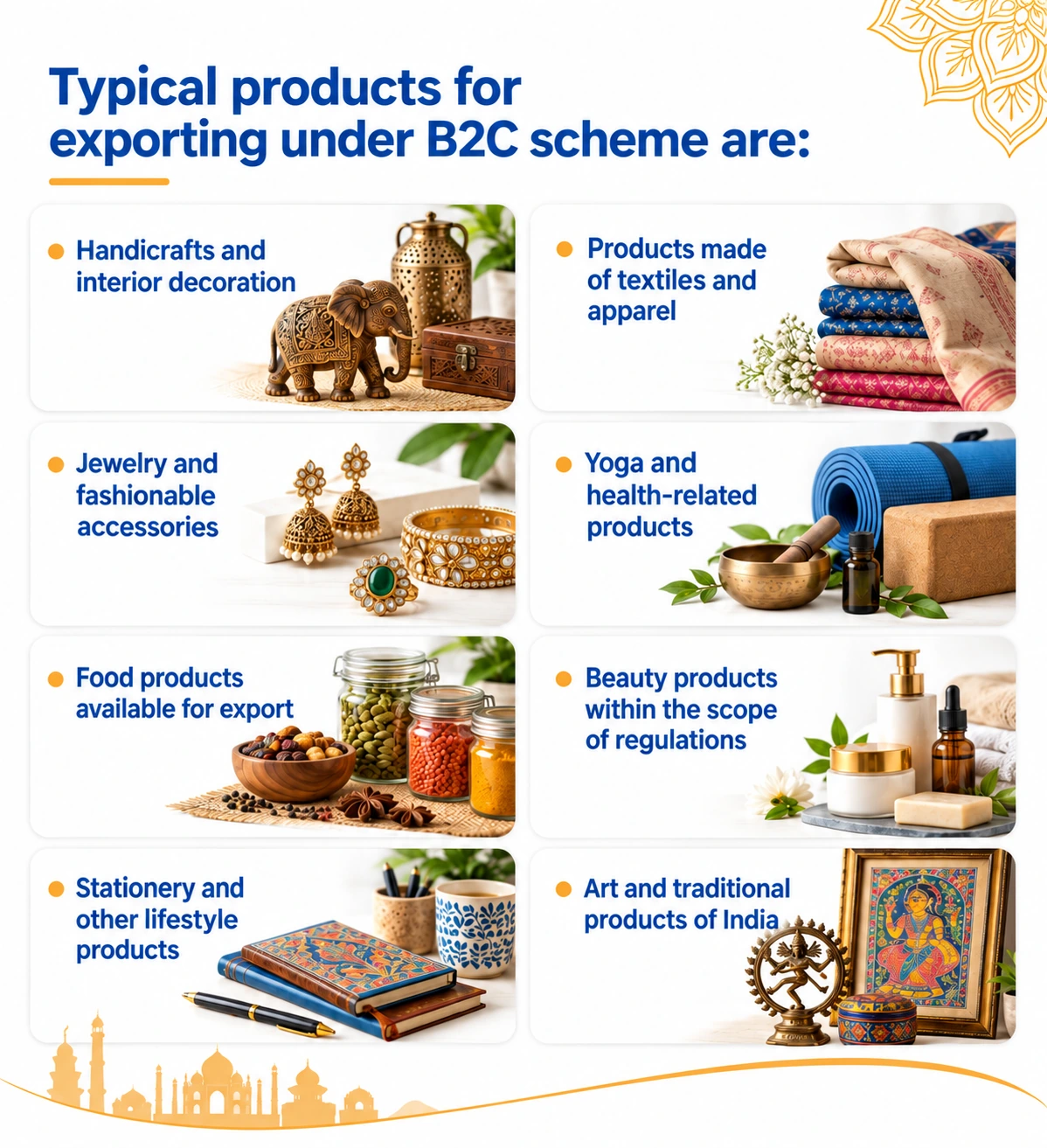
The seller still remains responsible for the fulfillment of international orders and shipment compliance with both the export conditions set by India and the importing conditions set by the destination country.

How Does B2C Export from India Work?
The basic sequence of actions includes order receipt by the Indian seller, verification of the product, destination, and shipping conditions, preparation of export documents, and packing of products for international shipping.
Then the package is delivered to an international carrier or logistics company. The international carrier usually delivers the package to the destination country, where customs officers check the package and determine whether there are any duties and taxes required.
Once the customs clearance process is complete, the package will be delivered via the local delivery system.
Step-by-Step B2C Export Process from India
1. Get an IEC
Import Export Code (IEC) is usually necessary for companies exporting products from India. The code is provided by the Directorate General of Foreign Trade (DGFT).
Prior to starting to accept orders for international clients, it is important for exporters to make sure their IEC is up to date.
There may also be other certificates necessary for particular shipments.
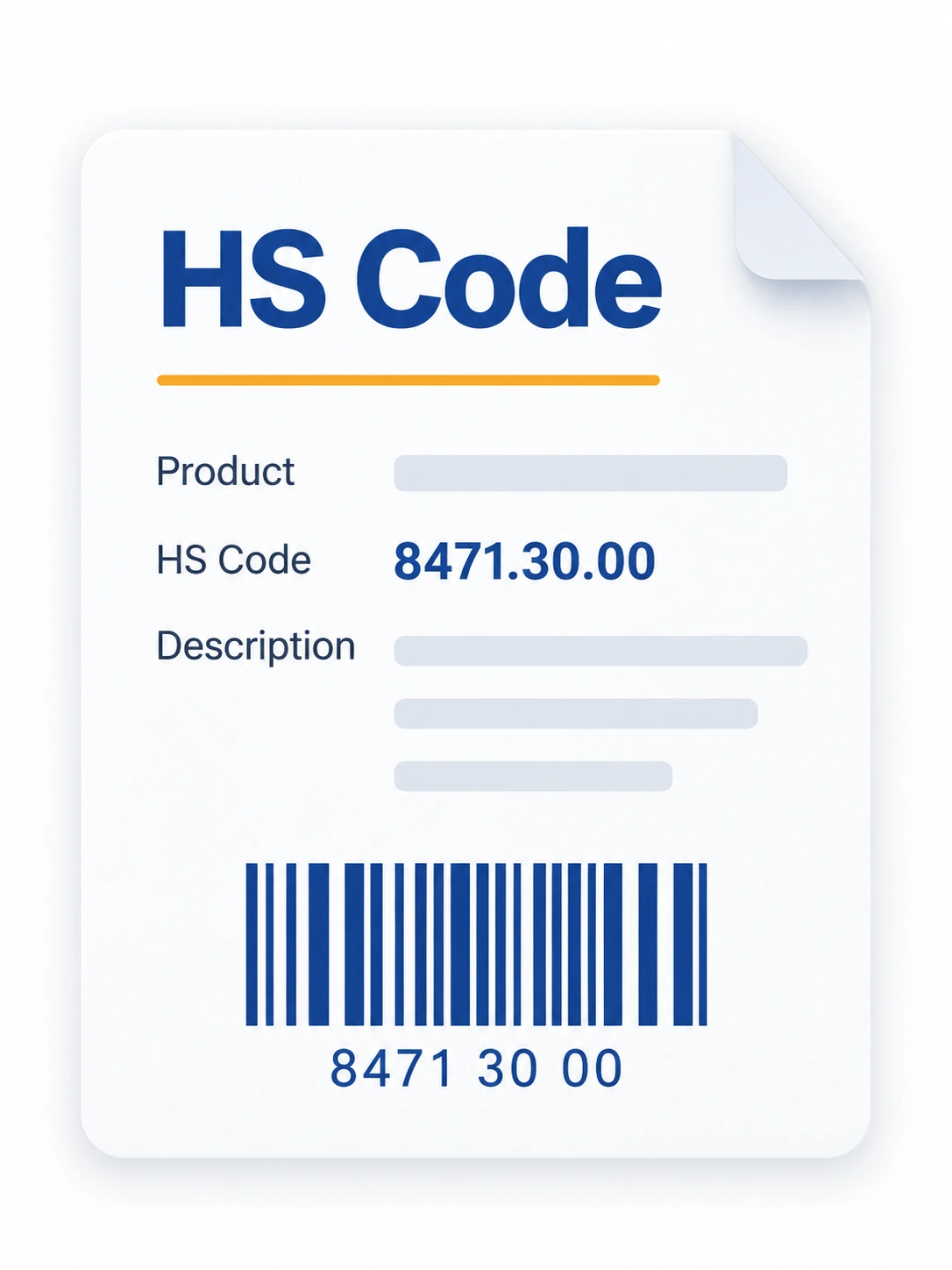
2. Find out the HS code
Each exportable good needs to have HS code. The classification of the product allows customs officials to identify the good and to calculate all the duties and taxes.
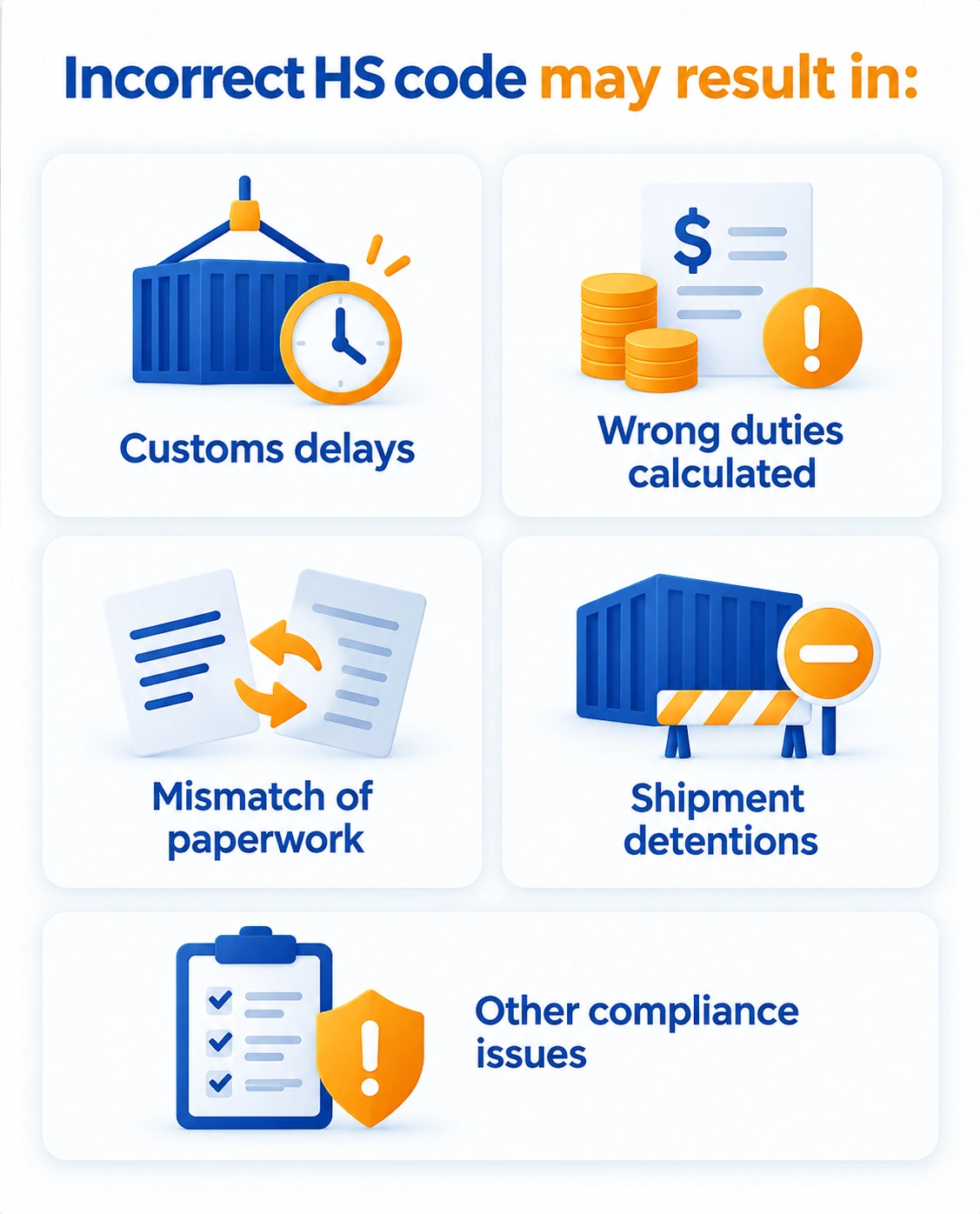
So, exporters need to decide on the classification of the products before sending out shipments.
3. Check Destination Country Rules
There is more than just Indian export compliance in international trade.
There might be other regulations imposed by the destination country on issues related to product safety, labelling, packaging, prohibited products, protection of consumers, taxation, and import permissions.
These regulations might differ for special products like food, cosmetics, medicines, supplements, and certain plants or animals from other consumer products.
Consequently, an exporter needs to verify destination country rules before taking international orders.
4. Verify the International Order
An international order needs to be verified regarding:
• Customer’s name and address
• The destination country
• The product description
• Quantity
• Declared value
• HS Code
• Shipping method
• Restrictions
• Custom and tax liability
Having correct information helps to prevent issues when clearing custom.
5. Prepare Export Documents
Depending on the shipment and the method of the shipping, the exporter needs to prepare all the required export documents.
Usually, these are the commercial invoice and the packing list.
6. Package the Shipment Properly
As the shipment travels through a number of handling locations, the packing must ensure that the products remain protected from movement, compression, moisture and handling shocks.
Packing should also conform to the packing requirements of the courier company as well as any restrictions that the destination country might have.
7. Arrange International Shipping
The seller can arrange international shipping using an international courier service, freight forwarding service or cross-border logistic services provider.
This would depend on:
• Destination
• Package size
• Weight
• Product nature
• Fast delivery
• Value of the shipment
• Need for tracking
• Necessity for custom clearance assistance
• Return handling
8. Export Custom Clearance
The shipment is offered to Indian customs for export clearance. The courier or logistics service company may assist in the custom process, based on the chosen shipping route.
Before exporting the shipment, customs officials may want to confirm the description, value, classification and other relevant details of the shipment.
9. Import Customs Clearance
The package will undergo import customs clearance at the destination country.
Customs authorities of the destination country may decide the need for paying customs duties and taxes, which could either be paid by the seller or the customer.
10. Final Delivery
After the clearance process at the importing country and settlement of charges, if there were any, the package will be delivered through the local delivery system to the end customer.
The exporter is expected to keep the shipment details and transaction records for accounting and other compliance reasons.
Documents Required for B2C Export
It varies from product to product. But some common documents used in B2C exports include:
Choosing an International Courier or Shipping Provider
An international courier is the easiest choice for B2C exporters since couriers offer pick-up, delivery and tracking services as well as assist in customs clearance.
When selecting between different shipping providers, do not judge them by their freight prices only.
When there is regular shipment for companies, negotiated shipping rates could turn out to be much cheaper than retail shipping rates.
DDP vs DDU: Which Shipping Option Should You Choose?
There are two major shipping options that apply in international shipping and these are DDP (Delivered Duty Paid) and DDU (Delivered Duty Unpaid).
With DDP, it will mean that the seller will be responsible for delivery of the shipment with import duty paid as part of the delivery process. This will enable the buyers to see clear prices.
With DDU, it means the buyers will be responsible for import duties upon delivery.
The right answer varies depending on the market destination, courier service used, product type, duties and taxes, and business strategy.
For D2C brands trying to compete based on customer experience, DDP helps make the total price at checkout more understandable for the international buyer. However, the seller needs to take into account all destination-country duties, taxes, and regulations.
How Much Does B2C International Shipping Cost?
There is no standard international shipping rate. Final international shipping charges depend on a variety of factors.
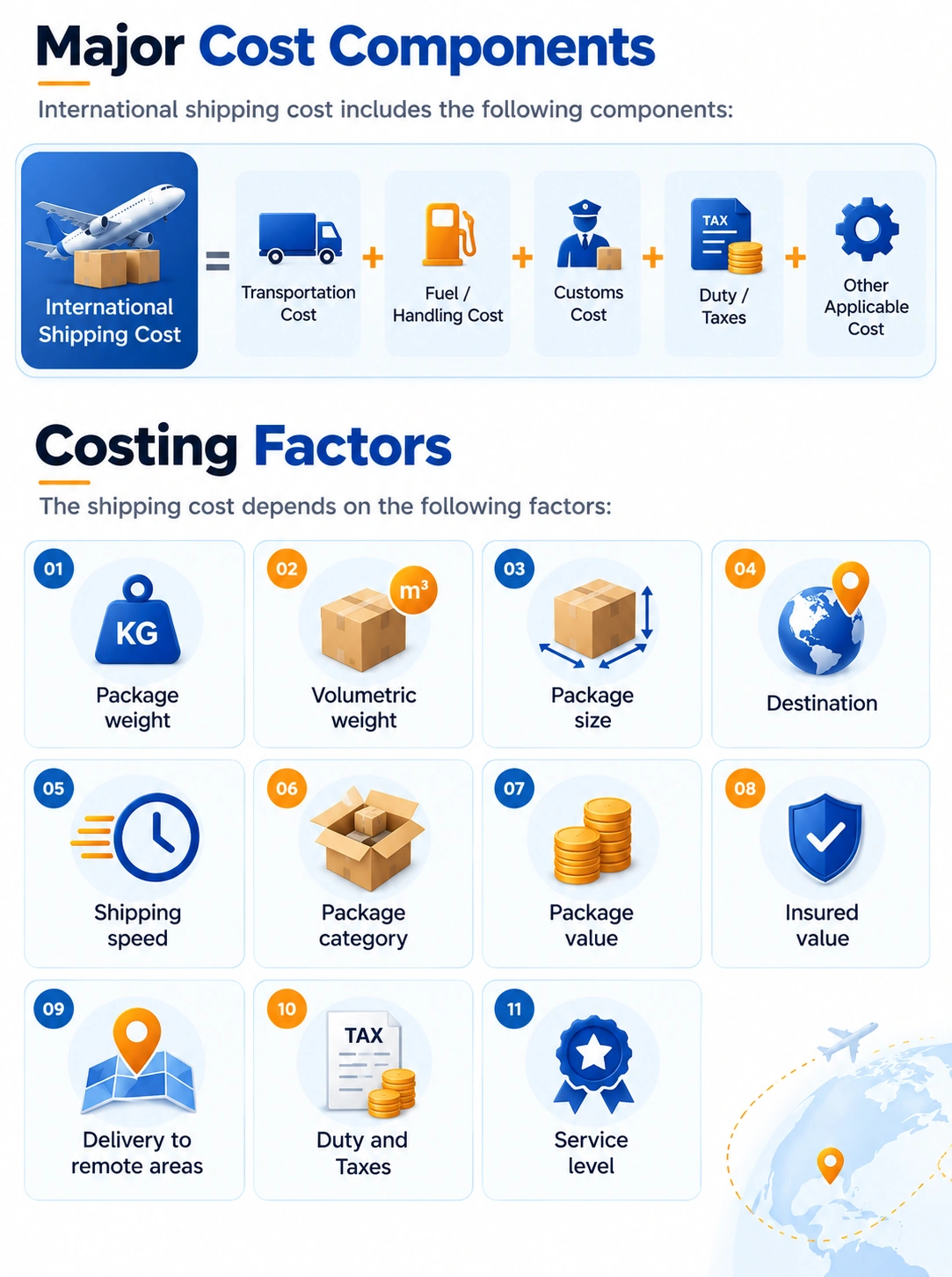
For instance, shipping a lightweight package using economy service could be totally different from shipping a heavy package via express service.
Companies need to know the cost of shipping before putting international shipping rates on their websites. Companies can also offer free shipping only after factoring shipping costs into the product price or minimum order amount.
Common Mistakes to Avoid in B2C Exports
Many mistakes are easy to avoid and may cost time and money.
Incorrect HS code: Merchandise needs to be classified correctly.
Wrong product description: The actual merchandise needs to be described accurately in the customs documentation.
Undervaluing: The actual value of the item should be reported and not under-valued to save on duty.
Violating destination importation rules: Even though the goods are permitted for exportation from India, they might be restricted once they get into the other country.
Unpredictable DDU costs: It will come as a shock to many consumers who get notified of duties and taxes.
Poor packing: Damages incurred due to poor packaging in transit might incur refunds and replacement of the products.
Overlooking returns: Returns in international shipping are much more expensive compared to local shipping.
B2C Export Compliance Checklist
Before shipping a product internationally to consumers, exporters can make use of the following checklist:
Conclusion
Exporting goods from India to B2C customers provides local enterprises with opportunities to sell their goods to foreign consumers independently, without the need for foreign distributors. But international sales necessitate a proper workflow that will include IEC, HS codes, export paperwork, customs procedures, packaging, and international logistics.
And the most significant part of the work is to create an export workflow for your company instead of making each international order separately. Using proper carrier, creating export documents, knowing about destination country regulations and defining DDP/DDU terms can help to achieve this goal.
FAQs
Yes. Small enterprises can trade with foreign buyers via their web sites, market places and any other Internet medium. Nevertheless, they have to observe all the export, custom, tax and destination country regulations.
In general, the exporter must have the IEC number if he conducts export operations from India; however, there are certain exceptions. It is up to exporters to find out which export requirements apply to their export transactions.
The most common documents that may be required in the process of international trade are IEC number, commercial invoice, packing list (when necessary), shipping bill or export declaration and courier/air waybill documentation.
It depends on the terms of delivery. When DDP is used, the importer is responsible for the payment of import taxes; while with DDU, it may fall upon the exporter.