
✨ AI Overview
Refer and Earn programs and paid advertising are two powerful customer acquisition strategies, but they differ significantly in cost, trust, and long-term impact. While paid ads can generate immediate visibility and reach, referral marketing leverages existing customers to attract new ones through trusted recommendations. As advertising costs continue to rise and competition intensifies, many ecommerce and D2C brands are increasingly evaluating which approach delivers better ROI, lower customer acquisition costs, and stronger customer loyalty. The ideal strategy often depends on a business’s growth goals, budget, and focus on sustainable customer-driven expansion.
In today’s cutthroat digital economy businesses are constantly on the hunt for the most effective way to snag new customers without bleeding themselves dry. In a battle for supremacy it’s Refer and Earn vs Paid Ads that’s got everyone in a tizzy. Both strategies will help a brand grow, but they go about it in entirely different ways and deliver different results over time.
Many of the bigger ecommerce and D2C brands in India are now trying to figure out which is king when it comes to referral marketing vs paid advertising, which one gives you better returns, lower acquisition costs and higher customer loyalty. With advertising costs going up and competition getting fierce companies are having to think outside the box and invest in marketing strategies that are driven by the customer.
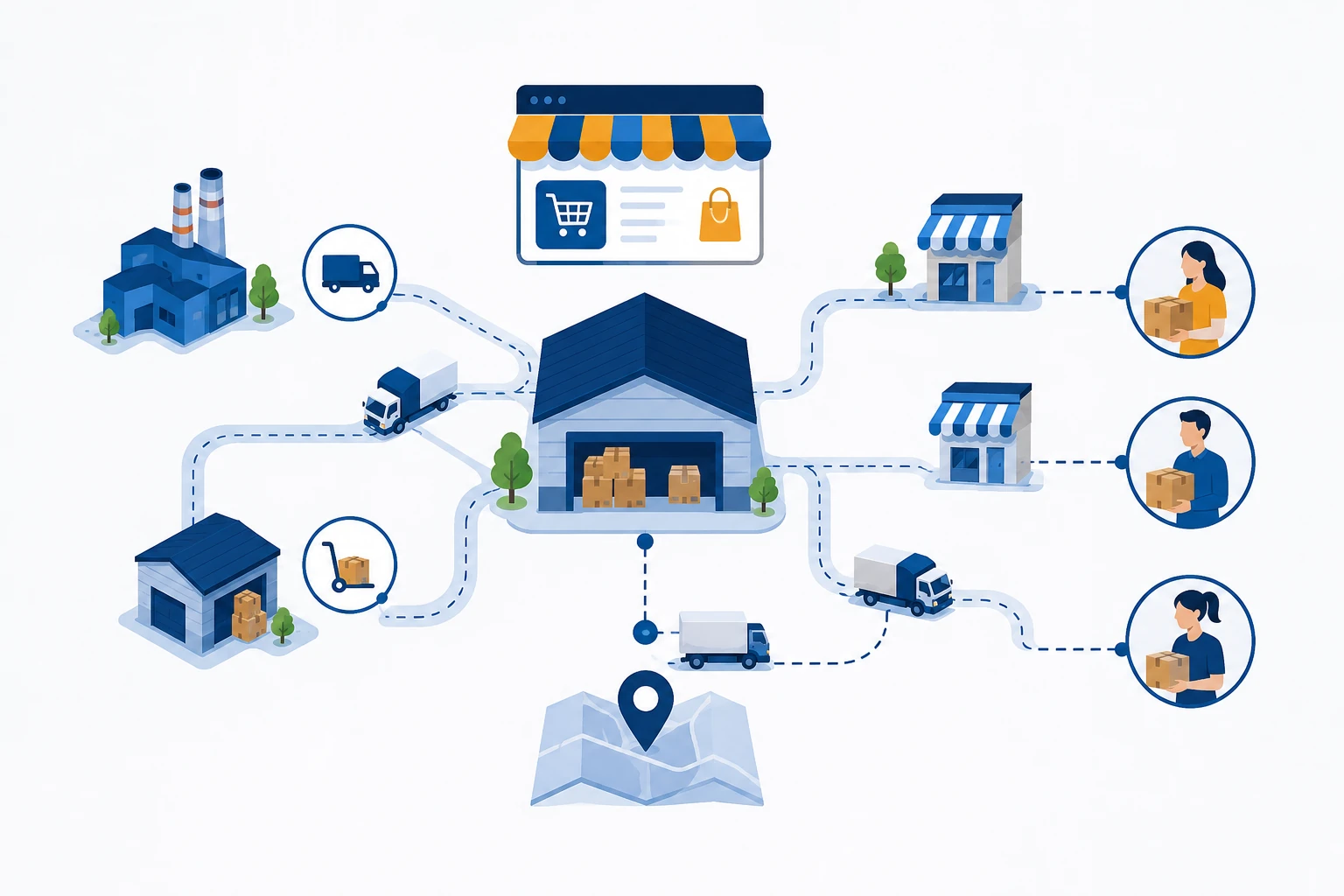
Getting Your Head around Refer and Earn vs Paid Ads
The battle between Refer and Earn vs Paid Ads starts with understanding how each of these strategies works.
A referral or “refer a friend” program is basically a way of getting existing customers to invite their mates, relatives or workmates to give your product or service a go. In return they get something for their trouble – cash back, a discount, a credit, or some loyalty points. This is all built on a foundation of trust and how happy your existing customers are with your product.
When businesses are comparing organic growth vs paid growth ecommerce, they often find that referral marketing focuses on building relationships with your customers while paid advertising is all about how well you can allocate your budget and get your ads to perform.
Both of these strategies can get your business growing, but the financial efficiency and long term impact are worlds apart.
The Power of Referral Marketing vs Paid Advertising and Trust
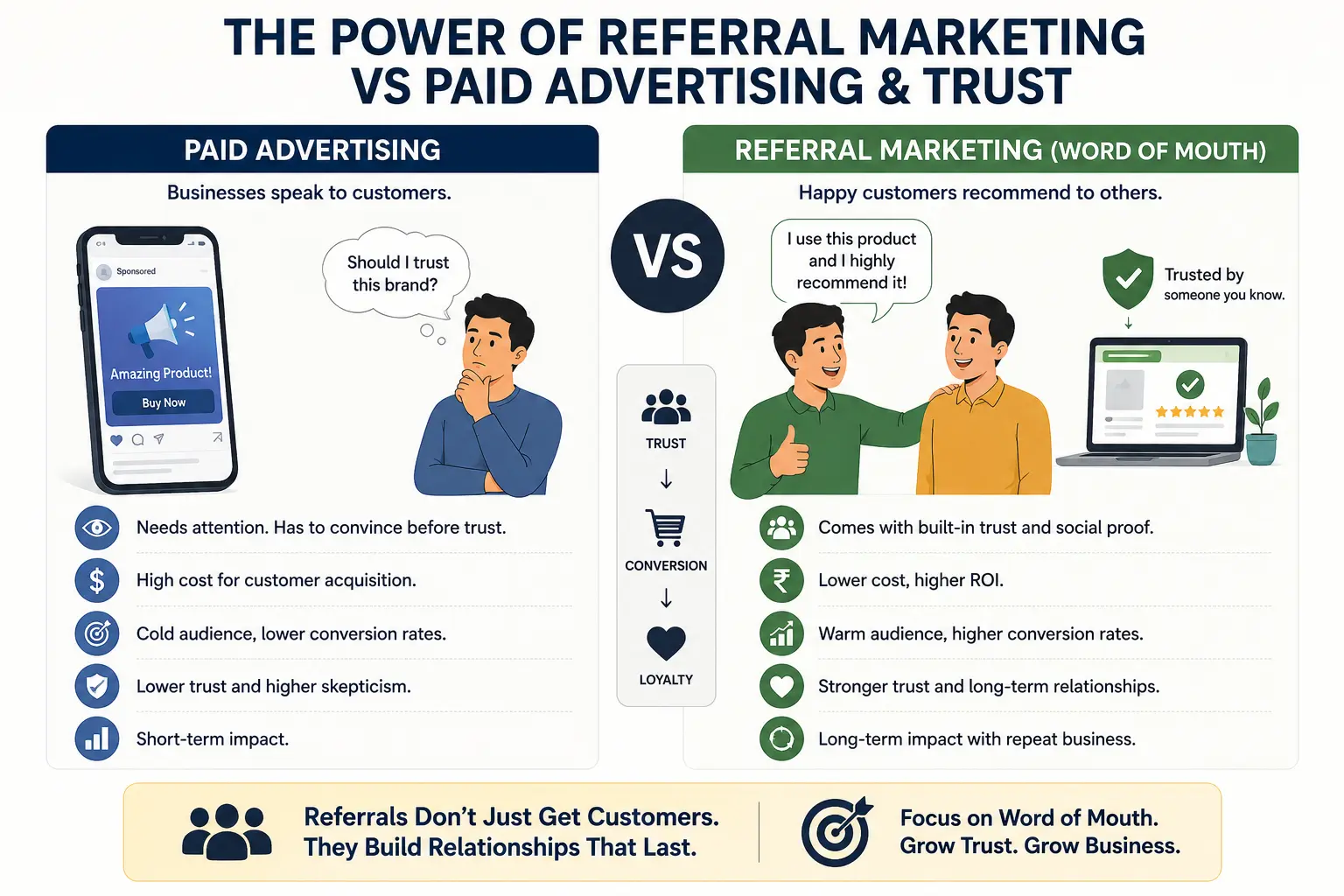
One of the real advantages of referral marketing vs paid advertising is the level of trust that’s involved in the whole customer acquisition process.
People are way more likely to trust a recommendation from someone they know than some online ad. In India especially word of mouth marketing India is still playing a huge role in getting people to buy things from specific industries like ecommerce, fintech, education, food delivery and SaaS.
When you get a recommendation from a friend or family member you already feel like you can trust the brand before you even go to the website. Paid ads need to capture your attention and then win you over before you’ll even consider becoming a customer.
It’s this difference that can have a massive impact on how people behave as customers. People who get referred by someone they know are way more likely to end up buying your product because they’ve already got social proof before they even enter the sales funnel.
Businesses that focus on word of mouth marketing India often find that they get better customer loyalty and a lot more repeat business, because referrals aren’t just about getting someone to buy something from you, they’re about building a relationship with them over time.
How Much Does It Cost to Acquire Customers – CAC Comparison between Referrals and Ads
The great debate between Refer and Earn vs Paid Ads centres firmly around acquisition cost – a major expense that businesses today can’t ignore when it comes to luring in new customers.
Carrying out a detailed customer acquisition cost (CAC) comparison usually reveals that referral programmes are the more frugal long-term option. Paid ads, on the other hand, require businesses to throw money upfront – regardless of how well the campaigns actually convert. With competition rising steeply, advertising costs have skyrocketed in India – making the cost per acquisition paid ads India businesses face an especially tough challenge.
At the other end of the spectrum are referral programmes, which reward customers only after they’ve actually converted – a sensible approach that cuts down wasted spending and boosts efficiency big time.
Something else to bear in mind when it comes to customer acquisition cost (CAC) comparison is the predictability factor. Paid campaigns can fluctuate wildly due to algorithm changes, audience saturation and seasonal competition – all of which can be pretty hard to anticipate. In contrast, referral systems tend to stay stable because they are driven by customer satisfaction rather than platform bidding.
Referral Programme ROI vs Ads ROI in Ecommerce
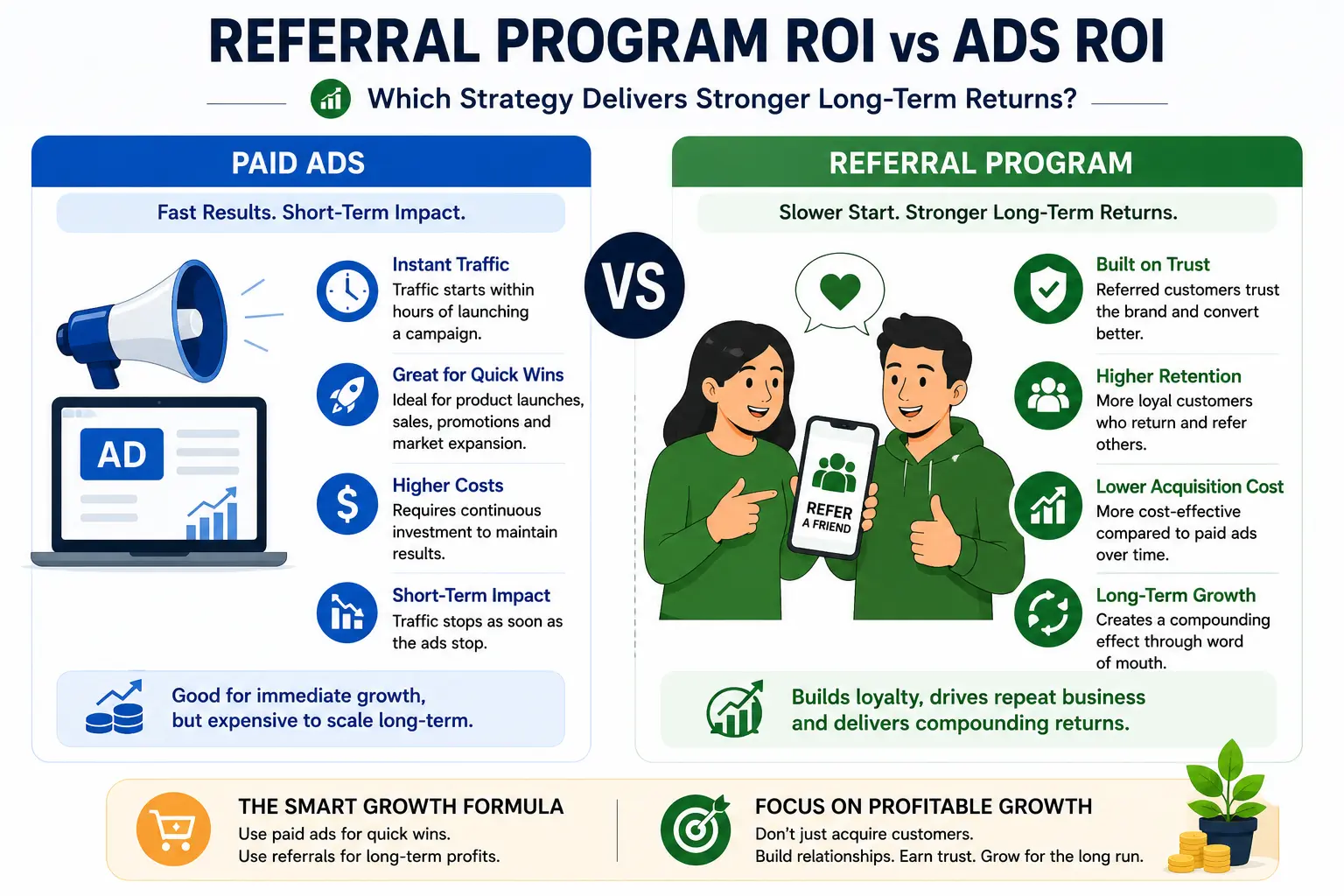
When it comes to evaluating growth channels, profitability takes centre stage – and the debate around referral program ROI vs ads ROI is no exception. This time it’s about which strategy can deliver the strongest long-term returns.
Paid ads do have their uses – especially when you need to whip up a buzz around a new product launch or a big sale. They are fantastic for immediate growth – a brand can start generating traffic within hours of launching a campaign. This can be handy for anything from product launches to festive promotions and market expansion.
Referral programs don’t exactly set the world on fire in the short term but they can deliver far more sustainable returns. Customers who come in through referrals tend to trust the brand more – and are more likely to return and recommend to others.
This is especially important for ecommerce brands that are basically dependent on keeping customers coming back for more. If a business focuses too heavily on acquiring new customers through ads without doing anything to improve loyalty then profitability is bound to take a hit over time.
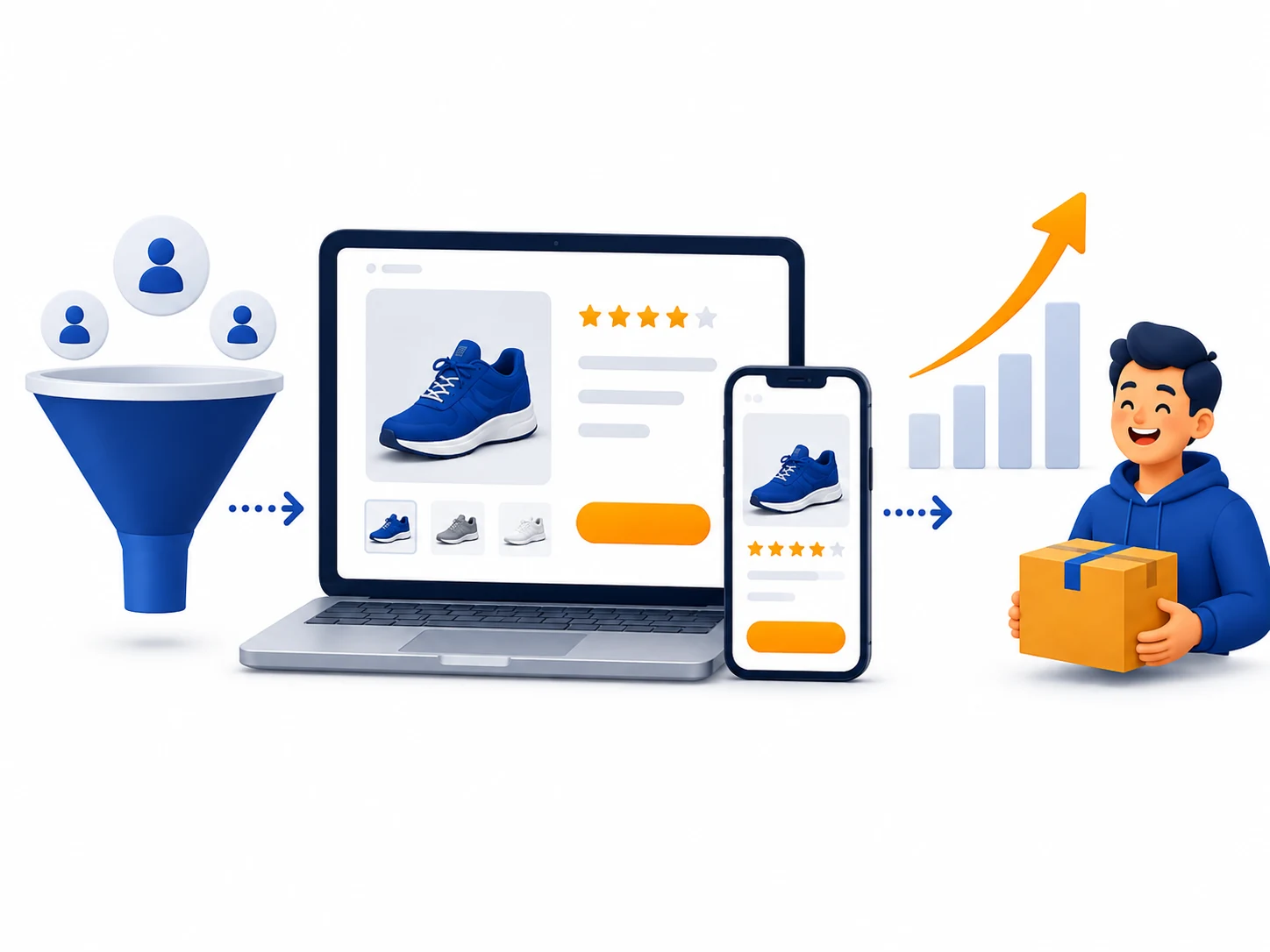
Referral Conversion Rates vs Ad Conversion Performance
Conversion efficiency is a pretty critical area where referrals consistently outperform ads.
When it comes to comparing referral conversion rates vs ad conversion, the scales are usually tipped in favour of referral traffic because, let’s face it, customers already trust the person who’s recommended this brand to them. Referral visitors tend to arrive with a much higher purchase intent and a whole lot less hesitation.
Paid ad traffic can certainly generate a huge number of clicks, but the thing is, not all of those visitors are genuinely interested in buying. A lot of people just click ads out of habit or curiosity, without any serious intent to make a purchase.
This is why when businesses are comparing referral conversion rates vs ad conversion they often notice that referral users not only complete purchases faster, but they also generally require fewer marketing touch points to get to that point.
Organic Growth vs Paid Growth Ecommerce Models
The conversation around organic growth vs paid growth ecommerce has become a pretty hot topic for a lot of modern D2C businesses at the moment.
Organic growth strategies – things like referrals, community engagement, content marketing, SEO and customer advocacy – can take a bit of time to get started with, but in the end they often create sustainable long-term growth that just keeps on giving.
Paid growth strategies on the other hand focus on rapid customer acquisition through advertising platforms. While these methods can generate a lot of immediate traffic, they do require a continuous financial investment – and that can be a real challenge, especially in highly competitive industries.
For brands that are exploring organic growth vs paid growth ecommerce models, they often find out pretty quickly that relying solely on paid advertising is just not sustainable. And that’s where referral programs come in – they can help businesses reduce their dependence on paid platforms by creating customer-driven acquisition systems. Over time this can improve profit margins and brand stability big time.
Performance marketing vs Referral Strategy for D2C Brands
The debate between performances marketing vs referral strategy is actually pretty relevant for a lot of D2C businesses that are looking to scale up pretty aggressively.
Performance marketing delivers some pretty measurable results – impressions, clicks, conversions and return on ad spend, in real time. This makes paid advertising pretty useful for businesses that are looking to grow at a breakneck pace.
Referral marketing on the other hand creates trust-based growth that builds up gradually over time. Instead of constantly relying on ad budgets, businesses can leverage satisfied customers to drive new acquisition.
When comparing performance marketing vs referral strategy though, businesses often discover that the most successful brands are actually using both systems in combination, rather than just choosing one.
Cost Per Acquisition Paid Ads India Is Increasing
One reason a lot of businesses are taking another look at paid advertising is the increasing cost per acquisition paid ads India that they’re experiencing.
Digital advertising in India has become super competitive – more and more businesses are investing in Meta Ads, Google Ads, influencer campaigns and marketplace promotions. As a result, customer acquisition costs are just getting higher and higher.
The growing cost per acquisition paid ads India that businesses are facing can actually make it pretty hard to stay profitable, especially for start-ups and small D2C brands that don’t have a lot of budget to play with.
Referral Programs Provide a Safer Bet on Customer Acquisition
Acquisition costs can be a real wild card. But one thing about referral programmes stands out – they tend to keep costs pretty steady, and more importantly, directly tied to successful conversions.
A Lot Of Brands Are Now Scraping By with Referral Systems – Not Just to Get New Customers, But Also to Ditch Fickle Advertising Platforms.
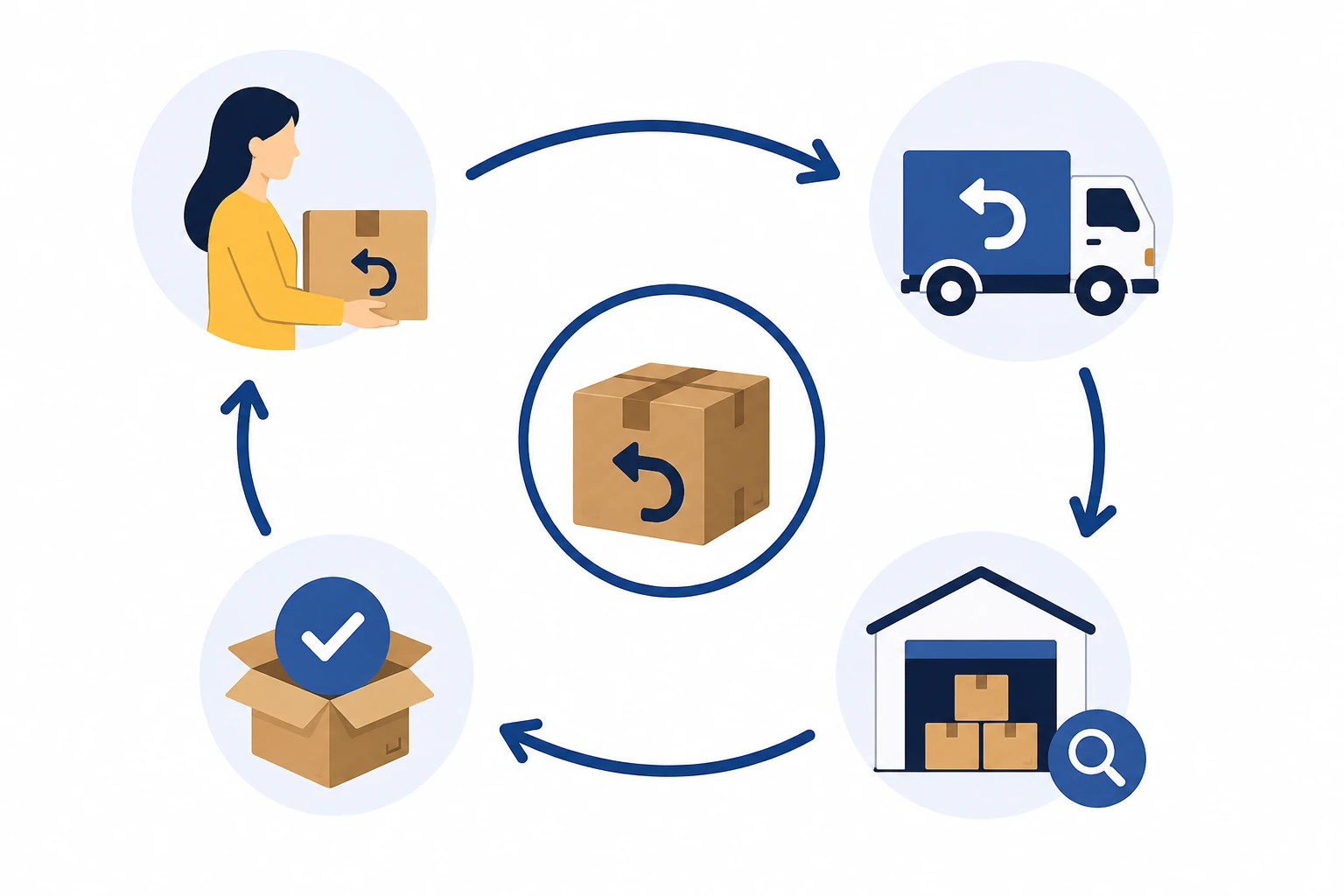
The Scalable Growth Strategies Every D2C Brand Needs
D2C ecommerce businesses aren’t just looking for growth, they also need to make that growth sustainable. If you want tSo get ahead, you need a growth model that works in the long term. This means combining some things that work well – like referrals, with paid ads rather than relying on just one channel.
Paid Ads are great for getting your brand out there fast and getting some quick customer sign-ups. Referral programmes are more about keeping Customers long term and raking in the good money over time.
Businesses that try to scale fast while keeping things profitable usually integrate a lot of different strategies – such as loyalty programmes, referral incentives, content marketing, and paid campaigns. They make it all work together with one single goal: to get more customers in a very efficient and profitable way.
The Lowdown on Refer and Earn vs Paid Ads
What the right choice is between refer and earn, and paid ads? Well, that all depends on what you’re trying to do. Paid advertising is great for getting a fast name check and luring in loads of traffic. But if you want faster growth and lower acquisition costs – and a stronger customer base over time – then refer and earn might just be the way to go.
Most of the smartest ecommerce brands out there don’t see referrals and paid ads as a zero sum game. Instead, they combine both to get the most out of their marketing spend.
Businesses that get a good balance of referral and paid ads are the ones that tend to come out on top – getting steady, profitable growth, a strong customer relationship, and great returns on their spend.
Frequently Asked Questions
Referral marketing uses the people who are already customers to promote you, while paid ads are all about sponsored campaigns to get in front of a whole new crowd.
In the long term, the good news is that referral marketing usually gives you better return on investment, as referred customers are often more loyal and more likely to buy from you in the future.
The reason is simple – when someone gets a recommendation from a friend or someone they trust, they’re much more likely to trust you too. It’s one of the big reasons why referral conversion rates tend to be so high.
Absolutely. One of the big advantages of referral systems is that businesses only pay for successful conversions – as opposed to paying for just impressions or clicks upfront with ad campaigns.