
Amazon Prime Day is no ordinary sales event, it’s a shopping holiday that can make or break a seller’s year. For brands and merchants, the ability to optimize inventory for Prime Day is critical to meeting high demand, keeping customers happy, and outperforming the competition. Without the right mix of Prime Day inventory tips, efficient shipping strategies, and FBA preparation, even the best deals can fall flat. In this guide, we’ll cover proven inventory forecasting techniques, shipping schedule optimization, and logistics best practices so you can approach Prime Day with confidence and a rock-solid plan.
In this guide, we’ll go deep into:
By the end, you’ll have a playbook for not just surviving Prime Day, but thriving.

Why Optimize Inventory for Prime Day Early
Many sellers think Prime Day prep starts in late June. Big mistake. If you wait that long, you’ve already lost half the battle. Top sellers begin their Prime Day inventory tips planning 3–6 months because:
If you’ve ever been in the middle of Prime Day and seen your “Out of Stock” notification pop up, you already know how costly poor stock level management can be.

In the weeks after Prime Day, study your performance reports. Identify where you overstocked, understocked, or experienced slow fulfillment. This post-event analysis will improve your inventory forecasting techniques for the next year.
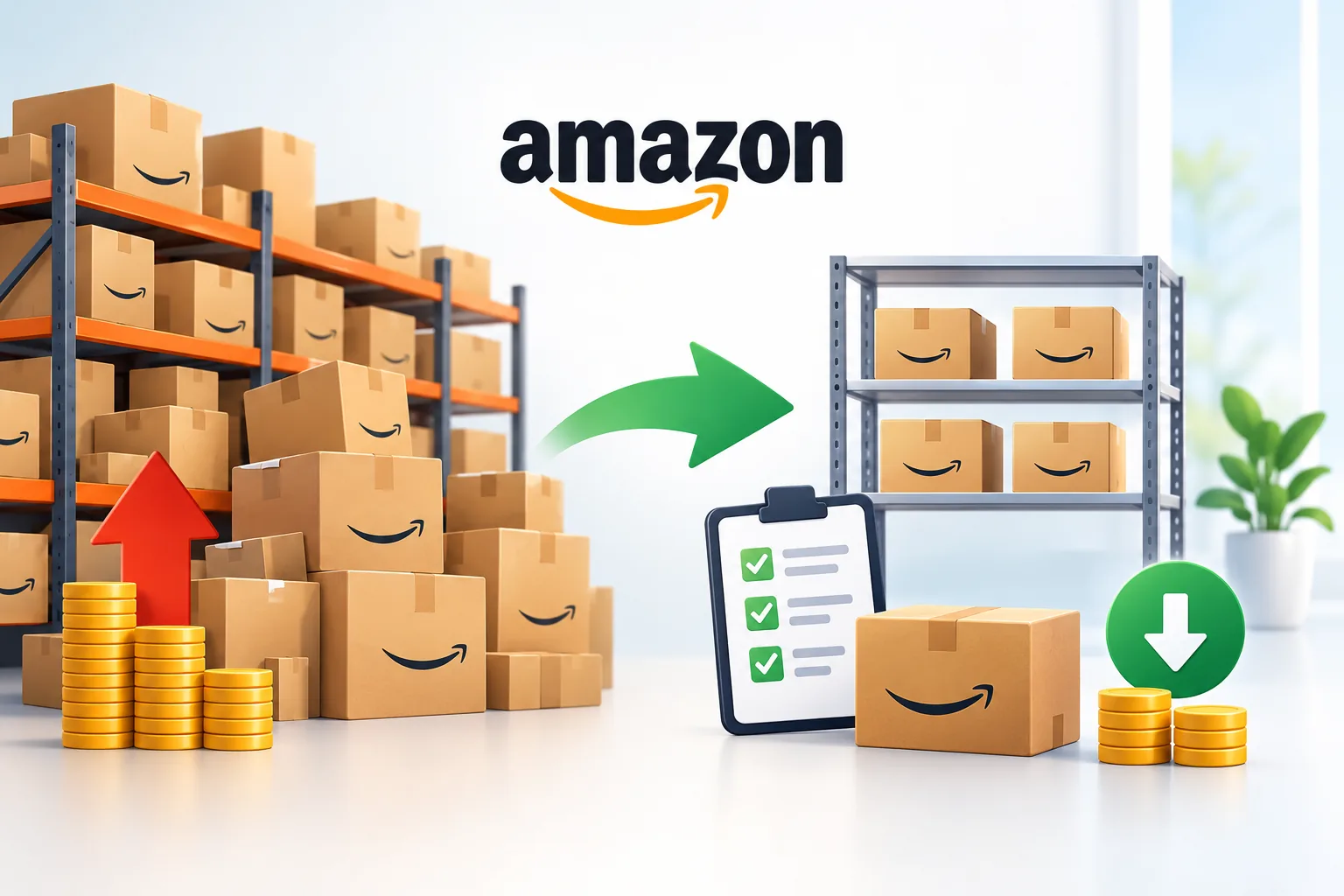
Prime Day Inventory Tips to Optimize Inventory for Prime Day
Let’s break down the essentials.
Efficient Shipping Strategies for Optimize Inventory for Prime Day
Inventory prep is worthless if products aren’t available for customers to buy. That’s where efficient shipping strategies make or break Prime Day performance.
Mastering FBA Preparation for Prime Day
Getting FBA preparation wrong can derail your entire Prime Day. Amazon’s requirements are strict, and during peak times, errors can mean days or weeks of delays.
Export Expert: Use Amazon’s Restock Limits dashboard early. If you’re nearing your cap, redirect overflow to a 3PL until you can replenish FBA.
Use Amazon’s Restock Limits dashboard early. If you’re nearing your cap, redirect overflow to a 3PL until you can replenish FBA.
Advanced Inventory Forecasting Techniques
Basic forecasting is good, but advanced inventory forecasting techniques give you a competitive edge.
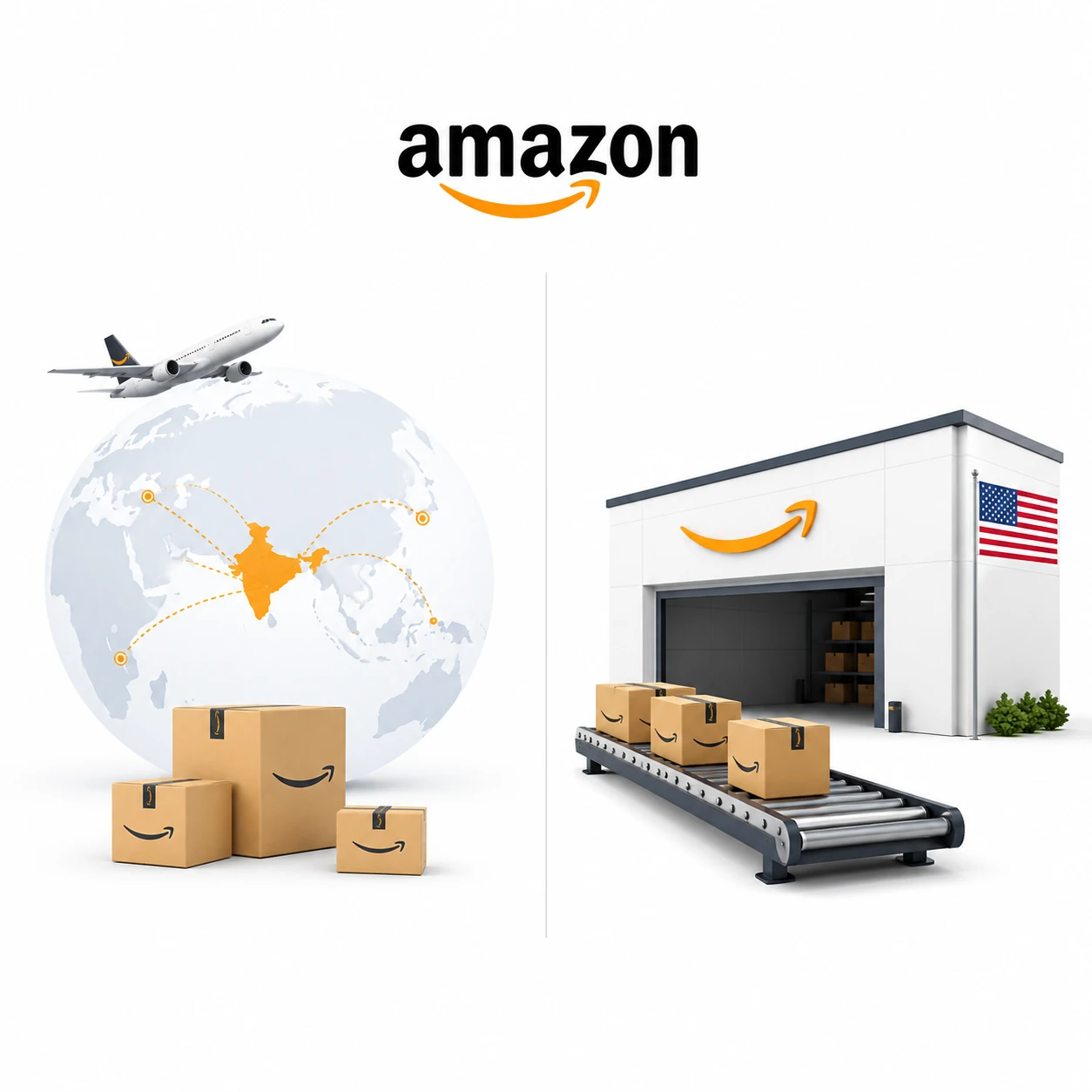
Logistics Best Practices and Supply Chain Optimization
Your supply chain optimization strategy should be more than just moving boxes; it’s about anticipating risks.
Order Processing Efficiency: Where Margins Are Won
During Prime Day, even a 12-hour delay in order processing can mean hundreds of missed sales.
When order processing efficiency improves, customers get faster deliveries, reviews are more positive, and your Buy Box win rate increases.
Final Thoughts: Fulfillment Strategies That Win Prime Day
If you want to crush Prime Day, you can’t just throw products into Amazon and hope for the best. You need a deliberate plan that combines Prime Day inventory tips, airtight FBA preparation, advanced inventory forecasting techniques, proactive shipping schedule optimization, and bulletproof logistics best practices.
By tightening stock level management, boosting order processing efficiency, and committing to supply chain optimization, you set yourself up for more sales, better reviews, and higher rankings, not just on Prime Day, but for months afterward.
Prime Day success isn’t luck. It’s preparation, discipline, and execution. And if you start today, you’ll be ready to meet demand head-on when the sales frenzy begins.
FAQs
To optimize inventory for Prime Day means planning stock levels, shipping schedules, and fulfillment strategies so you can meet high customer demand during Amazon’s sales event.
The best Prime Day inventory tips include forecasting demand early, preparing FBA shipments in advance, keeping backup FBM stock, and using stock level management to avoid sellouts.
FBA preparation ensures products meet Amazon’s requirements, are checked in on time, and are distributed across warehouses, improving delivery speed and order processing efficiency.
Effective inventory forecasting techniques utilize historical sales data, competitor trends, marketing campaigns, and seasonal insights to accurately predict demand spikes.
Shipping schedule optimization ensures that your inventory arrives at fulfillment centers before the sales rush, reducing delays and maintaining product stock levels.