
Selling on Amazon offers is unlocking the door to a massive marketplace filled with millions of potential buyers! But before you dive in, it’s crucial to understand the costs so you maximise your profits on Amazon. Here’s a breakdown of the expenses you should consider.
Costs Involved in Selling on Amazon
Selling on Amazon involves several fees depending on your business model and product category. Let’s breakdown the major cost components in detail
Account Subscription Fees
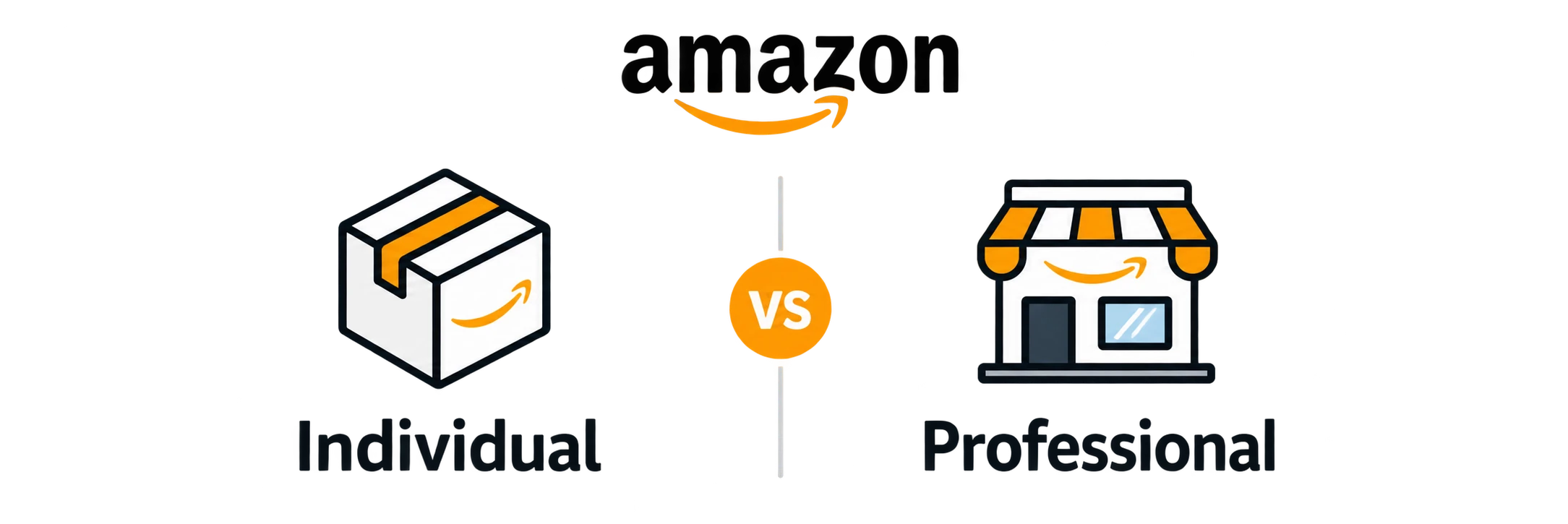
Amazon offers two main selling plans to accommodate different types of sellers:
If you plan to sell more than 40 items monthly, the professional plan offers a better value due to flat monthly fee and added features.
Referral Fees
Amazon charges a referral fee for each sale, based on a percentage of the total price (including shipping and gift wrapping). This fee varies by category
Referral fees: typically range from 6% to 45% depending on the product category.
Common Rates: Most categories, like electronics and home goods, charge around 15%
Media Items: Categories such as books and DVDs often have set referral fees instead of percentage-based ones.
Understanding the referral fees for your specific category is crucial for pricing your products competitively.
Fulfillment Fees (FBA Vs. MFN)
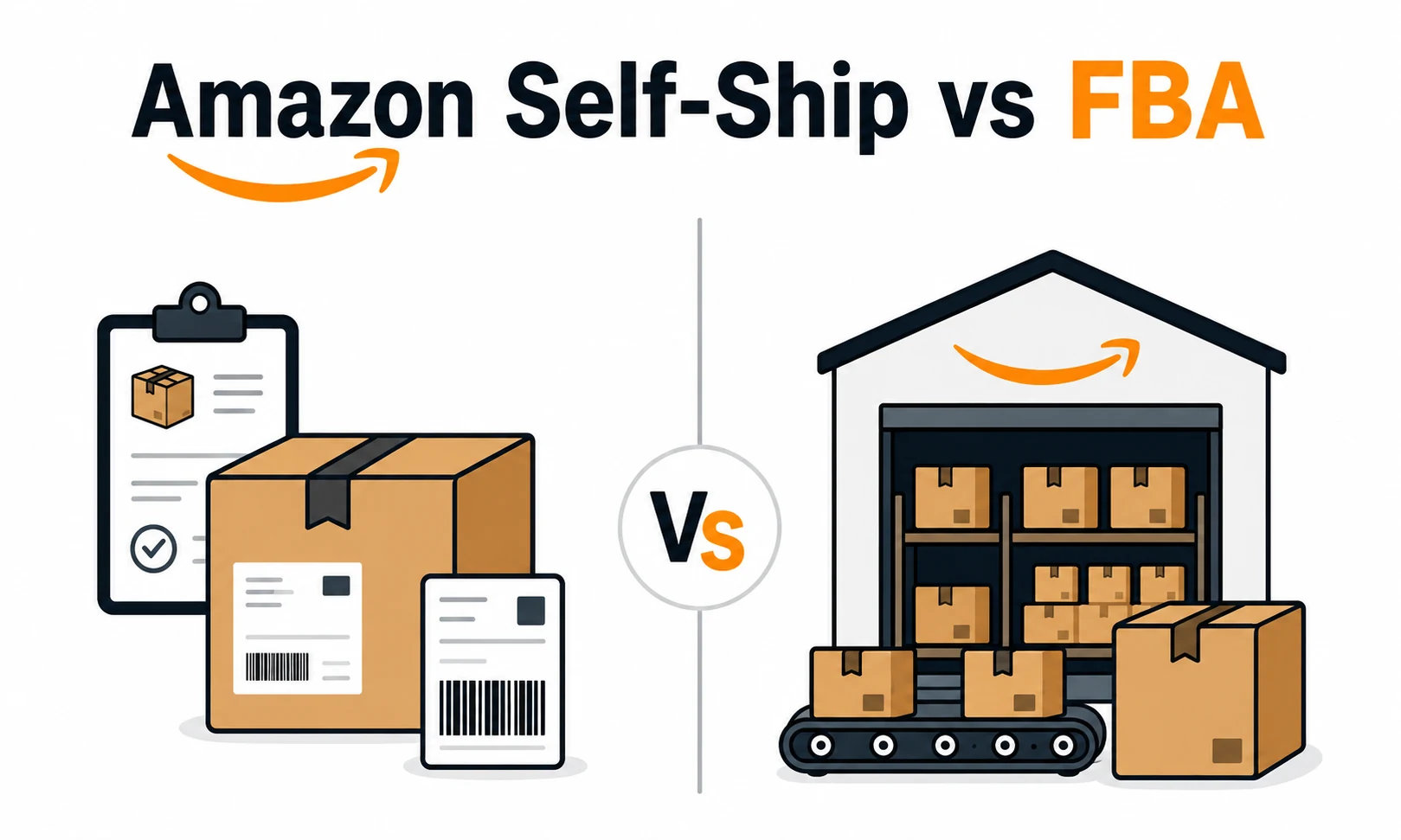
There are two primary ways to handle order fulfillment:
Take this an Example, imagine you’re selling phone cases. With Amazon FBA, you ship your cases in bulk to Amazon, and they take care of packing and shipping each order as it comes in. With MFN, you keep the phone cases in your own storage and ship them directly to customers whenever you receive an order. FBA is easier for scaling, while MFN gives you more control over international shipping and handling.
While FBA can streamline operations, it’s important to assess whether the convenience justifies the added costs for your business model.
Storage Fees (FBA Only)
For FBA users, storage fees apply:
| Standard Rates | Peak Season Rates (Oct-Dec) |
|---|---|
| Around $0.87 to $2.40 per cubic foot | Higher fees due to increased demand. |
Long-term storage fees also apply if inventory remains unsold for more than 365 days. Staying on top of inventory management can help you avoid these fees.
| ✓ | Amazon FBA simplifies logistics |
| ✓ | Scalability becomes easier as your business grows |
| ✓ | Build customer trust with Prime-enabled fulfilment |
| ✓ | Amazon manages customer service efficiently |
| ✓ | Save time to focus on marketing and business growth |
Additional Costs to Consider
Besides the standard fees, here are some additional costs you might encounter
Advertising: Amazon offers advertising tools like sponsored products and sponsored brands. Costs vary depending on your campaign settings and competition.
High-Volume Listing Fees: if you have over 100,000 active SKUs, Amazon may charge a monthly fee per SKU.
Refund Administration Fee: If a customer requests a refund, Amazon retains a portion of the referral fee
Premium Services: Optional services like Amazon Vine and Premium A+ content involve extra charges but can boost visibility and sales.
Choosing Right Selling Plan
Individual Plan: Best for casual or small scale sellers or those testing new products
Professional Plan: Best for businesses selling over 40 items monthly.
Review your sales volume and the tools you need to determine the best fit for your business.
Fulfillment Options and Their Costs
Strategies to Minimise Costs
Managing your costs effectively can make a significant difference in your profit margins. Here are some tips
Optimise Listings: Use high-quality images, detailed descriptions, and strategic keywords to boost visibility.
Monitor Inventory: Avoid overstocking to reduce long-term storage fees
Smart Advertising: Start small with targeted campaigns and track results closely.
Right Selling Plan: If you sell over 40 items monthly, the professional plan is usually cost-effective
Expense Tracking: Regularly review your Amazon fee breakdown and adjust pricing strategies accordingly.
Conclusion
Selling on Amazon offers great opportunities businesses of all sizes, but understanding the cost structure is essential for maintaining healthy profit margins. Carefully consider your selling plan, fulfillment method, and additional services to make informed decisions. With right approach, you can turn your Amazon store into a profitable venture while keeping expenses in check.
FAQs for How Much Does It Cost to Sell on Amazon
Yes, you can switch plans based on your sales volume and business needs.
No, but it’s highly recommended to boost product visibility and sales.
While Amazon’s pricing structure is transparent, some costs like refunds or long-term storage fees can add up if not managed.
Yes, FBA listings often carry the Prime badge, increasing visibility and trust, which leads to higher conversions.
Absolutely. Small sellers can scale efficiently without investing heavily in logistics infrastructure.