
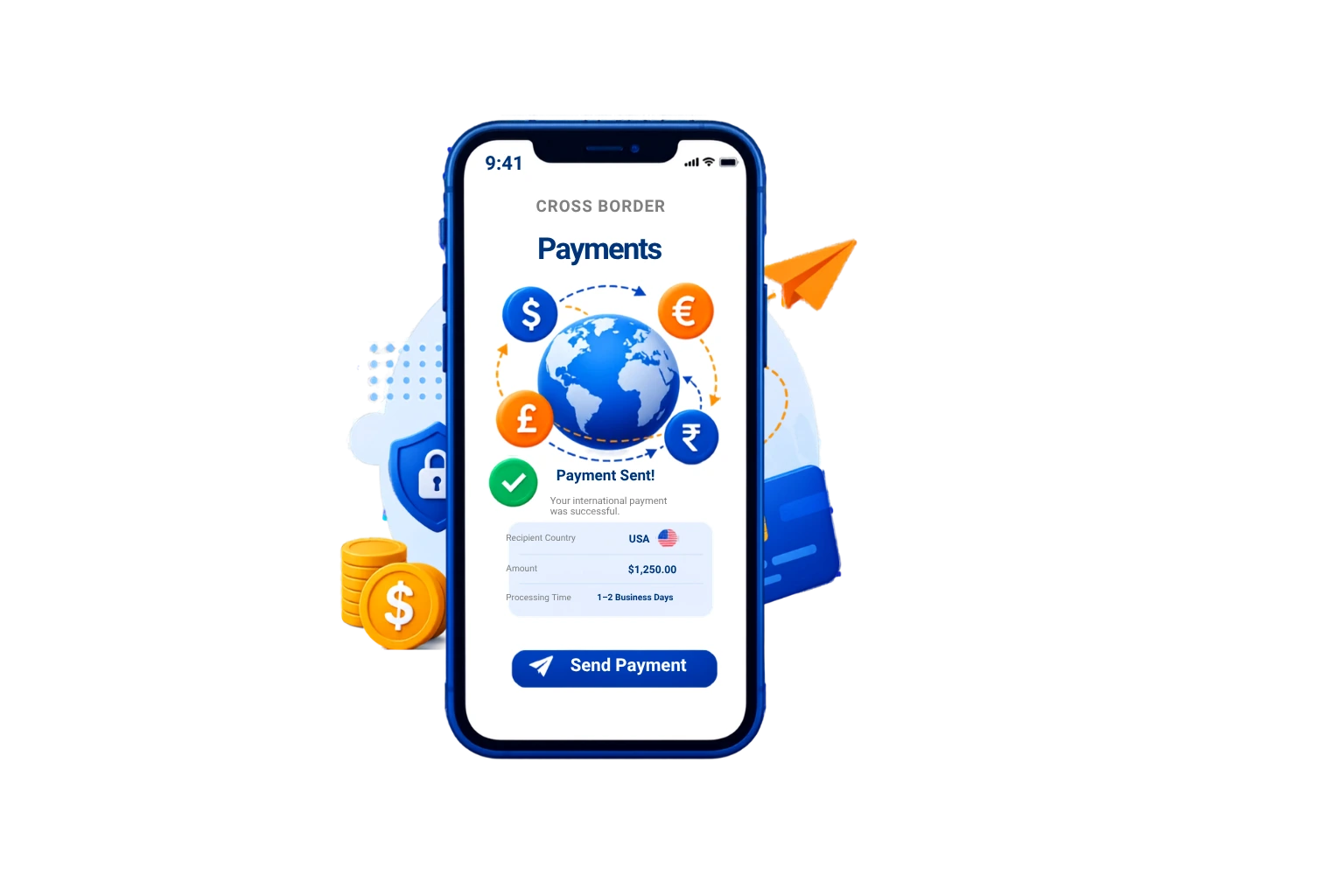
The business will require a proper banking facility for the purpose of receiving money from customers, paying suppliers, paying salaries, and handling large-value transactions. The current account is meant for all these purposes of the business. As compared to a savings account, it is basically made up of several business requirements.
For proprietors, partners, LLPs, companies, and exporters, the selection of a proper business account can help manage cash flows better and perform financial activities more easily. In this article, we have explained the various kinds of accounts, eligibility criteria, required documents, banking features, AD code requirements, ICEGATE integration, and the account opening process in India.
What Is a Current Account and How Does It Work?
A current account is a bank account designed for businesses that need regular deposits, withdrawals, and fund transfers. This account can help you receive payments from customers, pay suppliers, transfer funds, pay employees, and manage business expenses.
Unlike most savings accounts, current accounts do not aim to earn interest. Differentiating factors include transaction limits, cash deposit limits, digital banking, payment solutions, overdraft facilities, and other services.
Types of Current Accounts for Different Businesses
Banks offer multiple variants based on transaction volume, cash handling requirements, and business size. The most suitable option depends on how the business receives and spends money.
Some banks also use the monthly average balance, transaction volumes, and cash deposit requirements to categorize accounts. This implies that there may be no need for the same account for a low-volume professional services firm and a retailer or distributor with high daily cash volumes.
What Are the Benefits of a Current Account?
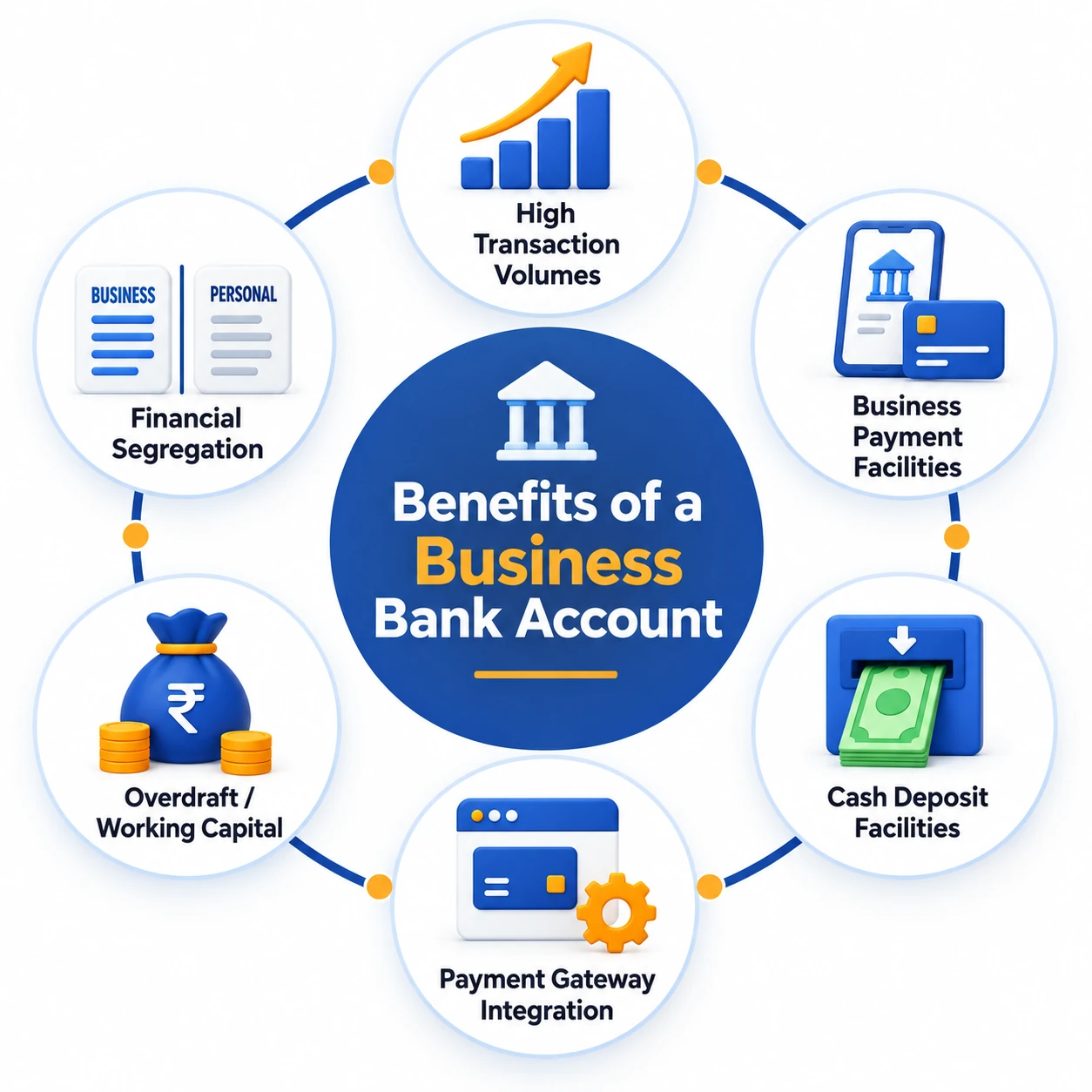
One major benefit is that the account is tailored to the nature of business transactions and not personal banking. Depending on the particular bank and account variant, there are various advantages that businesses might enjoy.
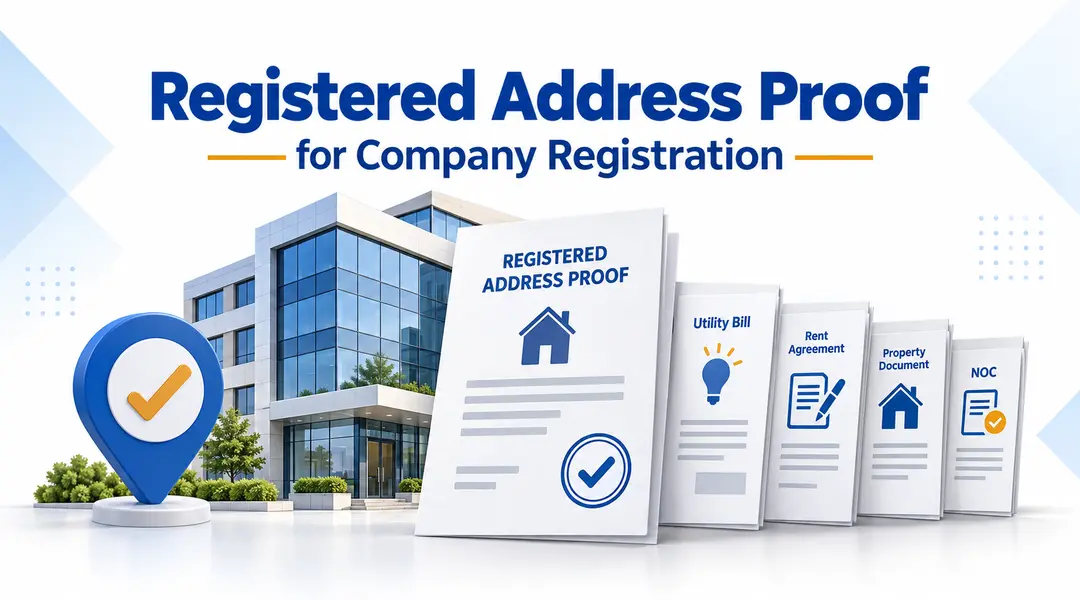
Current Account Requirements for Proprietorship, Partnership, LLP, and Company
The requirements for documents would be different based on the form of business organization. A bank can ask for more documents depending on the type of business and the risk involved.
| Proprietorship | Partnership | LLP | Company |
|---|---|---|---|
| PAN Card of the Proprietor | PAN of the Partnership Firm | LLP Incorporation Certificate | Certificate of Incorporation |
| Identity & Address Proof | Partnership Deed | LLP Agreement | Company PAN |
| Business or Activity Proof | Registration Certificate, wherever required | LLP PAN | Memorandum of Association (MOA) |
| GST Registration, if required | Address Proof of the Firm | Registered Office / Address Proof | Articles of Association (AOA) |
| Shop & Establishment Registration, if required | KYC Documents of Partners | KYC Documents of Designated Partners | Proof of Registered Office Address |
| Udyam / MSME Registration, if required | Beneficial Ownership Details | Beneficial Ownership Details | Board Resolution / Account Opening Authority |
| Business Address Proof | Authority for Operation of Account | Account Operation Authority / Resolution | KYC Documents of Directors & Authorized Signatories |
| Photos / Other KYC Documents as required by the bank | GST / Other Business Registration Documents, wherever required | GST Registration, where required | Beneficial Ownership Details |
| Registration Forms, Tax Documents, IEC or Utility Bills may also be accepted as business proof | List of Partners / Authorized Signatory Certificate may be requested | Additional Documents may be requested by the bank | GST Registration, if applicable |
The RBI guidelines on KYC mandate certain documentation, including the above mentioned company documents for opening the company accounts.
How to Choose a Current Account for Your Business?
Selecting a current account merely based on the minimum balance requirement offered by a bank may not be economical in the long run. It is better to analyze the account against your transaction pattern
For instance, Axis Bank offers various variants of the business current account with varying average minimum balance and cash deposit requirements, showing why businesses need to compare account variants rather than banks alone.
| Factor | What to Check |
|---|---|
| Minimum Balance | Monthly or quarterly balance requirement |
| Cash Deposits | Free monthly limit and excess charges |
| Cash Withdrawals | Home and non-home branch charges |
| NEFT / RTGS | Transaction charges and limits |
| Digital Banking | Internet banking, mobile banking and bulk payments |
| Cheque Services | Collection and issuance charges |
| Payment Gateway | Compatibility with your payment collection system |
| POS / QR | Availability of merchant payment solutions |
| Forex | Useful for import/export businesses |
| Overdraft | Eligibility and pricing |
| Customer Support | Branch, relationship manager and digital support |
| Trade Services | Import/export documentation and remittance facilities |
Current Account for Import and Export Businesses
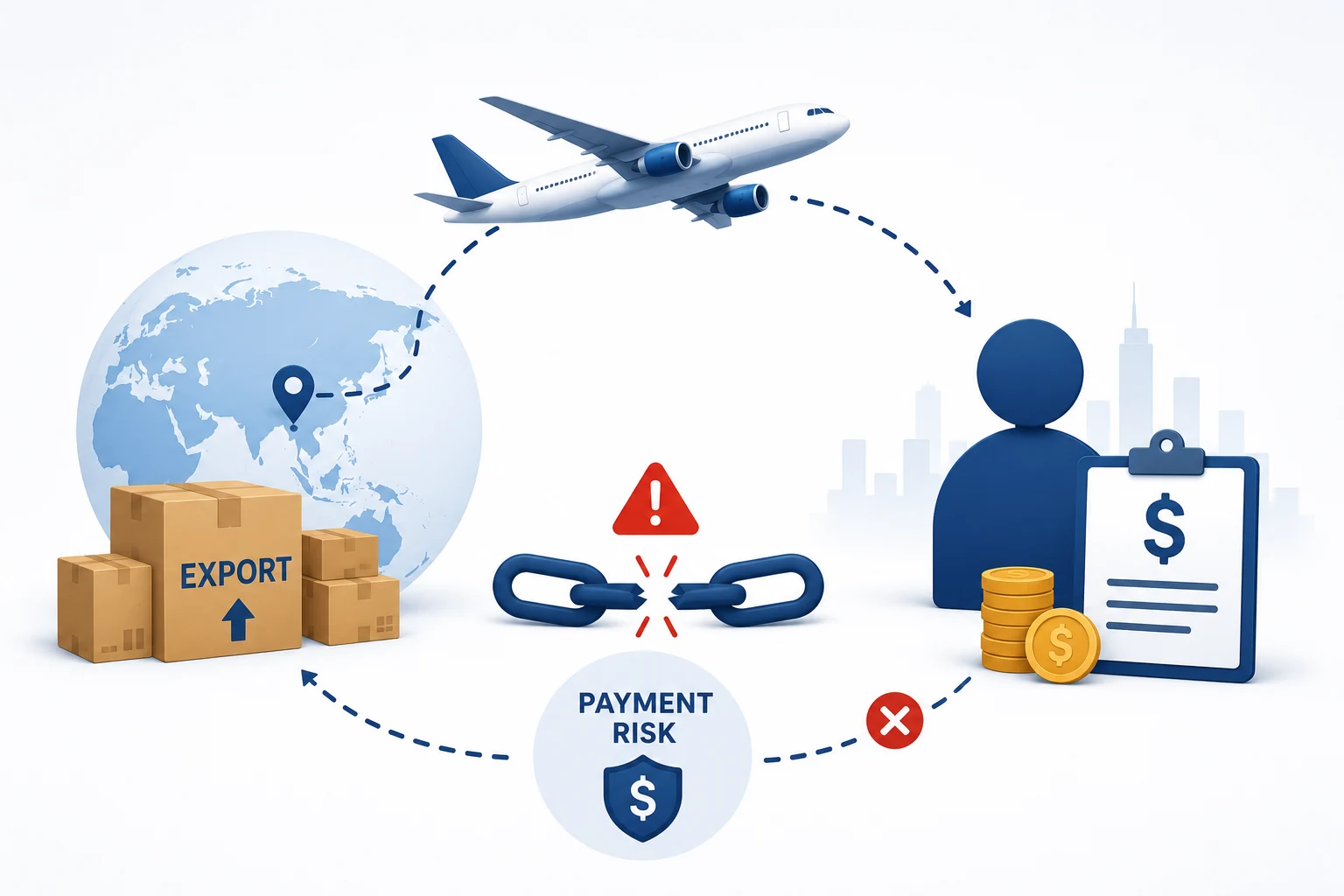
Businesses involved in imports and exports may require additional services from the bank beyond the usual domestic transactions. If your business deals in international transactions, find out whether the bank offers foreign exchange, inward and outward remittance, trade finance, and export documentation services.
Also, if you are an exporter, it is essential to know the connection between the business bank account, the AD code, IEC, and the customs process.
The Authorized Dealer Code refers to the bank branch offering foreign exchange transactions for importers/exporters. The ICEGATE portal offers the facility to register bank accounts under the AD Code scheme. The advisory on this portal indicates that an IEC holder can register the bank account provided by an Authorized Dealer bank branch. It is useful for customs processes, including export incentives.

How to Open a Current Account?
Current Account vs. Savings Account
The basic difference lies in the purpose of these accounts.
| Feature | Current Account | Savings Account |
|---|---|---|
| Primary Purpose | Business transactions | Personal savings |
| Transaction Frequency | Generally high | Generally lower |
| Interest | Usually not offered | Usually offered |
| Cash Handling | Designed for business requirements | Designed mainly for personal use |
| Business Collections | Suitable | Generally not intended for regular commercial activity |
| Overdraft | May be available | Depends on bank / product |
| Ideal Users | Businesses, firms and companies | Individuals and personal users |
For normal transactions, it is advisable not to use the personal savings account when there is a need for business banking account.
Common Mistakes to Avoid When Opening a Business Account
Selecting an account based on the minimum balance is one mistake to avoid when opening a business account. For a business that deals with constant cash inflows, one might incur higher transaction costs despite having low minimum balances.
Digital banking facilities are another common mistake to avoid when opening an account. Businesses whose accounting team is supported by the finance department and has more than one authorized user should be careful about the bank’s digital banking facilities.
Those that deal in import/export should check whether the bank has foreign exchange and trade services facility.
Likewise, those that make online payments should check payment gateways and merchant payment facility.
Last but not least, documentation of the business entity should be kept up-to-date. This will help you to avoid mistakes such as changes in directors, partners, authorized signatories, business address, or beneficial ownership.
Conclusion
The correct current account serves as the basis for performing financial transactions within any business. The nature of the business, number of transactions, cash requirement, and need for digital/international banking facilities will determine the kind of current account to choose.
One should take into consideration the total cost of doing business and not just the minimum balance requirements while selecting a bank. Proprietorship firms, partnership firms, LLPs, and private limited companies should make preparations for the relevant business documents beforehand. For export/import firms, AD Code, IEC, forex, and ICEGATE should be considered when choosing a bank.
FAQ’s
Proprietorship, partnership firms, LLPs, private limited companies, public companies, and other eligible business organizations can usually open a business current account based on their KYC and eligibility criteria as per the bank norms.
Not always. It depends on the nature and amount of transactions of the business and the GST norms applicable. However, if it is relevant and applicable, a bank may insist upon providing the relevant documentation.
If the exporter uses any customs procedures, then he or she should be aware of the AD Code requirements as per the nature of the account being opened by him. ICEGATE offers the facility of registering bank accounts in respect of the AD code norms and customs export incentive procedure.
A business organization can maintain banking relationship with more than one bank depending on the banking norms, credit facilities of the business organization and bank-wise policies.
No bank can suit all businesses. It would be better to compare minimum balance requirements, cash deposits, transaction costs, online banking facilities, merchant solutions, forex services, branches, and customer service before selecting one.