
AI Overview
Germany is Europe’s largest coffee importer, and with import duties on coffee now slashed, Indian exporters have a big opportunity. But success depends on getting the right coffee export documents and export documentation in place. This guide breaks down the documents required for coffee export from India to Germany, so you can ship with confidence and avoid costly delays.
Do you know Germany is the second-largest coffee importer in the world (after the United States) and the largest in Europe?
No? Don’t worry, most people don’t.
We usually associate Germany with cars, beer, and efficiency… not massive amounts of coffee quietly getting imported.
Beyond the domestic consumption, Germany also plays a crucial role in importing, processing, roasting and re-exporting the coffee to the other 26 EU countries.

Majorly, Germany imports its coffee from the producers of India, Brazil, and Vietnam, which are known for their high-quality varieties like Arabica and Robusta.
However, exporting coffee to Germany is not just about sourcing premium beans. Success depends heavily on having the right and ready coffee export documents. Completing accurate export documentation for coffee. Missing or incorrect paperwork can delay shipments, increase costs, or even lead to rejection at customs.
This blog provides a complete, easy-to-understand guide to the documents required to export coffee from India to Germany, covering Indian regulations, international compliance, and Germany-specific requirements.
Proper Export Documentation for Coffee
Coffee is an internationally regulated agricultural commodity with huge demand in European countries. Every shipment has to go through a lot of checks in India, where the export customs are very strict, and in Germany, where the import customs are also very strict. This is when, where and why coffee export paperwork becomes very vital and hard to manage.
Importance of Accurate Documentation
📄 Importance of Correct Import Documents
- ✅ For smooth customs clearance in India and Germany
- 🚢 For faster cargo movement through ports
- 💰 For accurate duty and tax assessment
- 🕒 For timely payment release from German buyers
- 🤝 For credibility with importers, banks, and logistics partners
For Germany in particular, documentation accuracy matters because it operates under strict European Union (EU) food safety and import standards.
Consequences of Missing or Incorrect Documents
⚠️ Risks of Incomplete Export Documents
- 🛑 Customs clearance delays
- 💸 Port storage and demurrage charges
- ⚖️ Penalties from customs authorities
- 📦 Shipment holds or rejection at destination
- ❌ Loss of buyer trust and future orders
Even small errors, such as mismatched weights or incorrect HS Codes, can cause serious disruptions.
When you handle coffee export to Germany in terms of documentation, exporters must ensure:
- The consistency across all documents
- That these are well in compliance with Indian export laws
- The alignment with German and EU import requirements
- Absolutely clear traceability of origin, quality, and safety
German importers are particularly cautious about food safety, origin, and quality certifications, making documentation accuracy non-negotiable.
International Coffee Export Documents
Here are the core documents required for coffee export from India. These are absolutely mandatory before you can legally export coffee to Germany.
Importer Exporter Code (IEC)
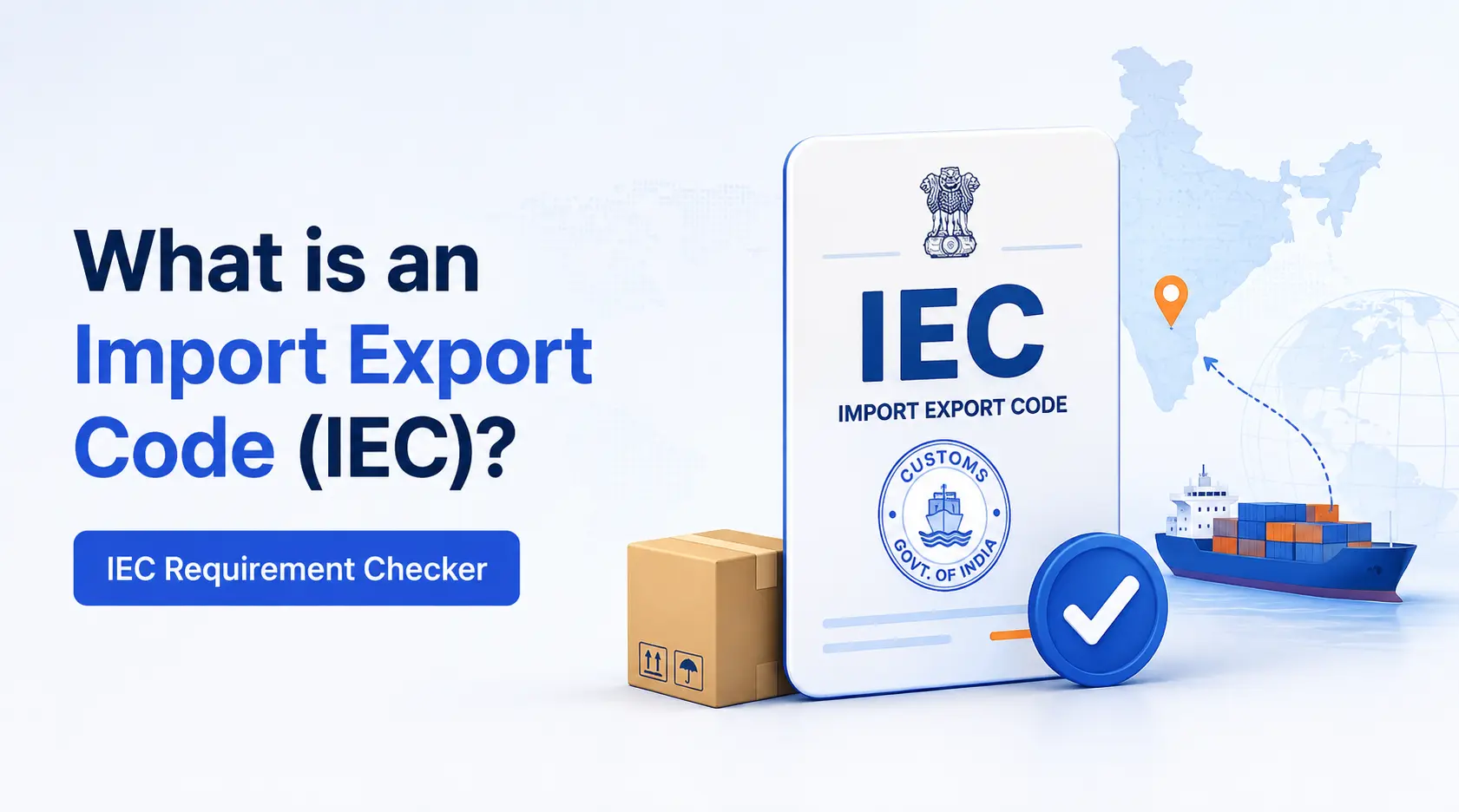
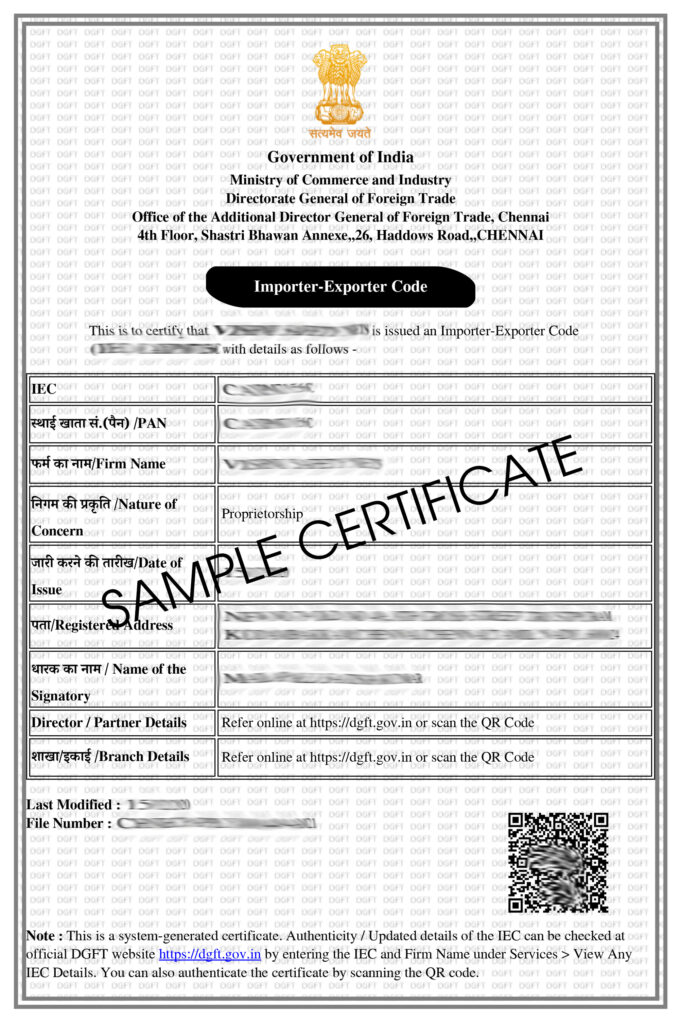
The Importer Exporter Code (IEC) is the foundation of all exports from India. It is issued by the Directorate General of Foreign Trade (DGFT). This document is mandatory for all commercial coffee exports from India. It is required to file shipping bills, customs documents, and foreign exchange transactions. Without an IEC, no export shipment can be processed.
Coffee Board Registration
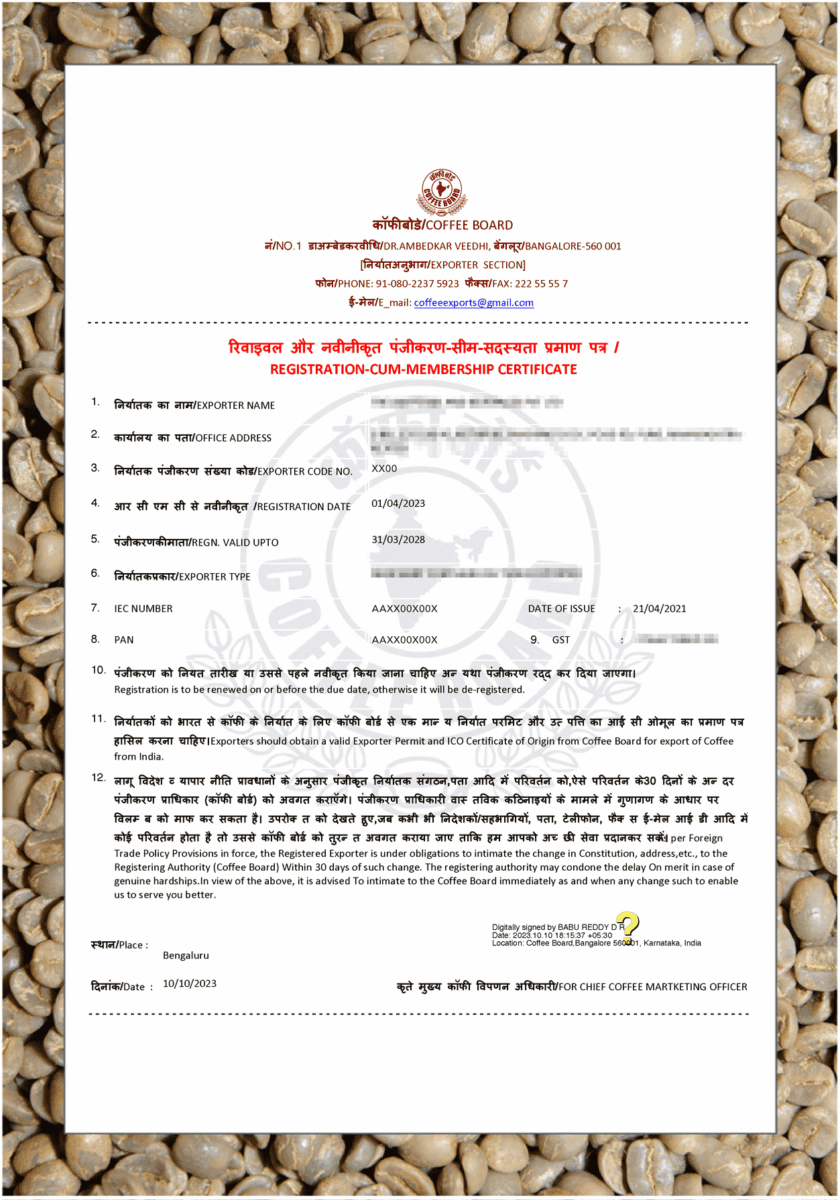
Coffee exporters must register with the Coffee Board of India. This confirms that the exporter is an authorised seller to trade coffee to other countries. This will ensure that the compliance with quality standards and export regulations is correct and accurate. This is required for both green and processed coffee exports from India to the world. This registration helps maintain India’s reputation in international coffee markets.
GST Registration for Exporters
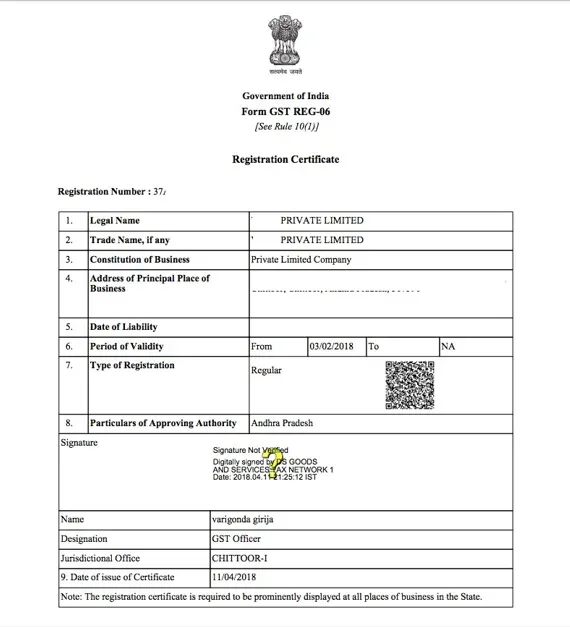
A GST registration for exporters is compulsory in India for all Indian coffee exporters. This is required to legally export goods globally. It allows Indian exporters to claim GST refunds on export shipments. This document ensures tax compliance under Indian law for Indian exporters. Even though exports are zero-rated under GST, but registration is still compulsory for all.
FSSAI License for Coffee Exports
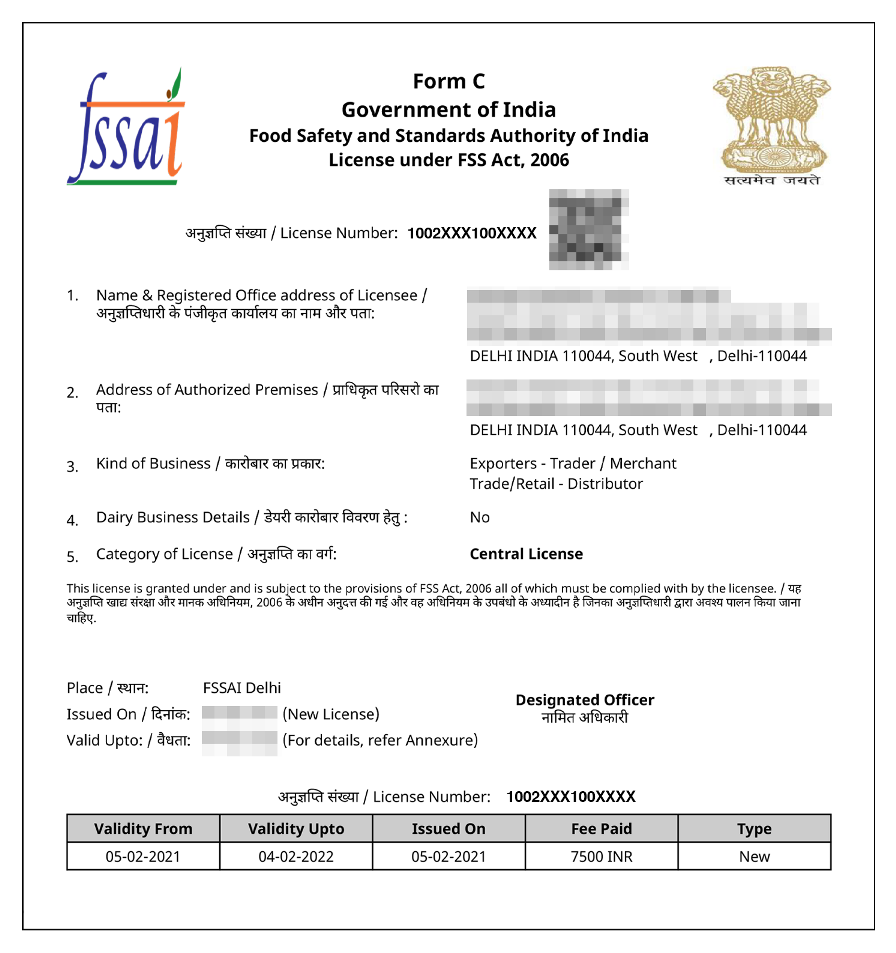
The FSSAI license for coffee export is issued by the Food Safety and Standards Authority of India (FSSAI). This document confirms the coffee meets Indian food safety standards. This is often requested by overseas buyers to confirm the safety as well as quality of your coffee. This also strengthens credibility during international coffee export documentation checks for Indian coffee exporters. While green coffee may have fewer restrictions, processed or roasted coffee almost always requires FSSAI compliance.
India-Specific Export Documents
These documents form the backbone of export documentation for coffee and are required for every shipment if you’re exporting from India to the world.
Export Invoice for Coffee
The export invoice for coffee is a primary commercial document.
It includes:
- About exporter and importer details
- About coffee type and grade
- About quantity and shipment value
- The HS Code (Harmonised System Code)
- About payment terms and Incoterms
Customs authorities in India as well as Germany use the export invoice to assess duties and verify shipment value.
Packing List for Coffee Exports
The packing list for your coffee exports will provide the details about the physical shipment of your cargo. It will mention about the number of bags or packages included. About the net weight and gross weight of your package. What kind of packaging is used for the proper preservation of the coffee? This document will help customs officials to match the paperwork with your actual consignment that you are exporting.
📦 Coffee Export Packing List Overview
| Field | Details |
|---|---|
| Number of Bags/Packages | Total count of sacks or containers used for shipment |
| Net Weight | Weight of the coffee excluding any packaging |
| Gross Weight | Total weight including packaging materials |
| Packaging Type | Jute bags, poly-lined sacks, or vacuum-sealed cartons for preservation |
| Customs Use | Helps verify shipment content and match with other export documents |
Regulatory and Customs Documents
These are mandatory export paperwork for coffee required during customs clearance.
- Certificate of Origin (India)
- The certificate of origin from India confirms that the coffee originates in India.
- Issued by authorised trade bodies or chambers
- Often required by German importers
- Used for customs duty assessment and trade compliance
This document is especially important for buyers who re-export coffee within the EU.
Export Declaration Form (EDF)
- The export declaration form (EDF) is filed with Indian Customs.
- Declares shipment value
- Provides foreign exchange realisation details
- Mandatory for regulatory compliance
It ensures that export earnings are correctly reported under Indian foreign exchange laws.
Shipping Bill for Coffee Export
The shipping bill for coffee export is the most critical customs document in India. This is also known as the primary document for export clearance from India. This is filed electronically through ICEGATE (Indian Customs Electronic Gateway). This document is required before your cargo or consignment leaves the country. Without an approved shipping bill, your shipment cannot be exported to any other country.
Additional Documents for Coffee Export to Germany
Depending on the buyer or importer, shipment mode, and contract terms, additional coffee export to Germany documentation may be required sometimes.
📄 Key Export Documentation for Coffee Shipments
| Document | Purpose |
|---|---|
| Bill of Lading (B/L) or Air Waybill (AWB) | Issued by the carrier Acts as proof of shipment and transport contract |
| Phytosanitary Certificate | May be requested for green coffee shipments Confirms the product is free from pests and diseases |
| Insurance Certificate | Protects cargo against damage or loss during transit |
| Quality or Inspection Certificate | Confirms coffee quality and grade Often requested by German buyers for assurance |
💡 Keep these documents ready for faster customs clearance and smooth coffee export processes.
All these additional documents support smooth delivery and help maintain strong buyer relationships.
Coffee Export to Germany Documentation Checklist
Here is a quick checklist of documents required to export coffee from India to Germany:
📦 Export to Germany Documentation Checklist
- ✅ Importer Exporter Code (IEC)
- ✅ Coffee Board Registration
- ✅ GST Registration for Exporters
- ✅ FSSAI License for Coffee Export
- ✅ Export Invoice for Coffee
- ✅ Packing List for Coffee Export
- ✅ Certificate of Origin (India)
- ✅ Export Declaration Form (EDF)
- ✅ Shipping Bill for Coffee Export
- ✅ Bill of Lading (B/L) or Air Waybill (AWB)
- ✅ Insurance Certificate
-
⚠️ Quality or Inspection Certificate
(if applicable for German buyer assurance)
📝 Tip: Keep all documents organized digitally and in print for a smooth customs clearance.
Conclusion
Germany being the largest coffee importer in Europe and the second-largest in the world makes it a seriously attractive market for Indian exporters. And with import duties on coffee now slashed and access to the market getting easier, there’s honestly never been a better time to ship Indian coffee to Germany. That said, the opportunity only works in your favour if you have the right coffee export documents sorted from day one.
From India-specific registrations to commercial and regulatory paperwork, getting your export documentation for coffee right is what keeps your shipments on move smoothly. It helps you in clearing the customs faster, get money on time, and build trust with German buyers or importers. When exporters clearly understand the documents required for coffee export from India, prepare complete international coffee export documents, and follow the correct coffee export to Germany documentation process, they avoid the common headaches delays, penalties, and shipment rejections.
Understand it this way that well-prepared export paperwork for coffee isn’t just about compliance. It’s what gives Indian exporters the confidence and edge they need to grow steadily in the German market and across Europe.
FAQ’s
The key coffee export documents include Importer Exporter Code (IEC), Coffee Board registration, GST registration, FSSAI license for coffee export, export invoice for coffee, packing list for coffee export, certificate of origin India, export declaration form (EDF), and shipping bill for coffee export.
Yes, Coffee Board registration is mandatory for exporters dealing in coffee. It ensures compliance with Indian export regulations and is a critical part of export documentation for coffee.
The certificate of origin India confirms that the coffee originates in India. German importers often require it for customs clearance, duty assessment, and compliance with European Union trade regulations.
Yes, an FSSAI license for coffee export is required, especially for processed or roasted coffee. It confirms that the product meets food safety standards and strengthens credibility during international inspections.