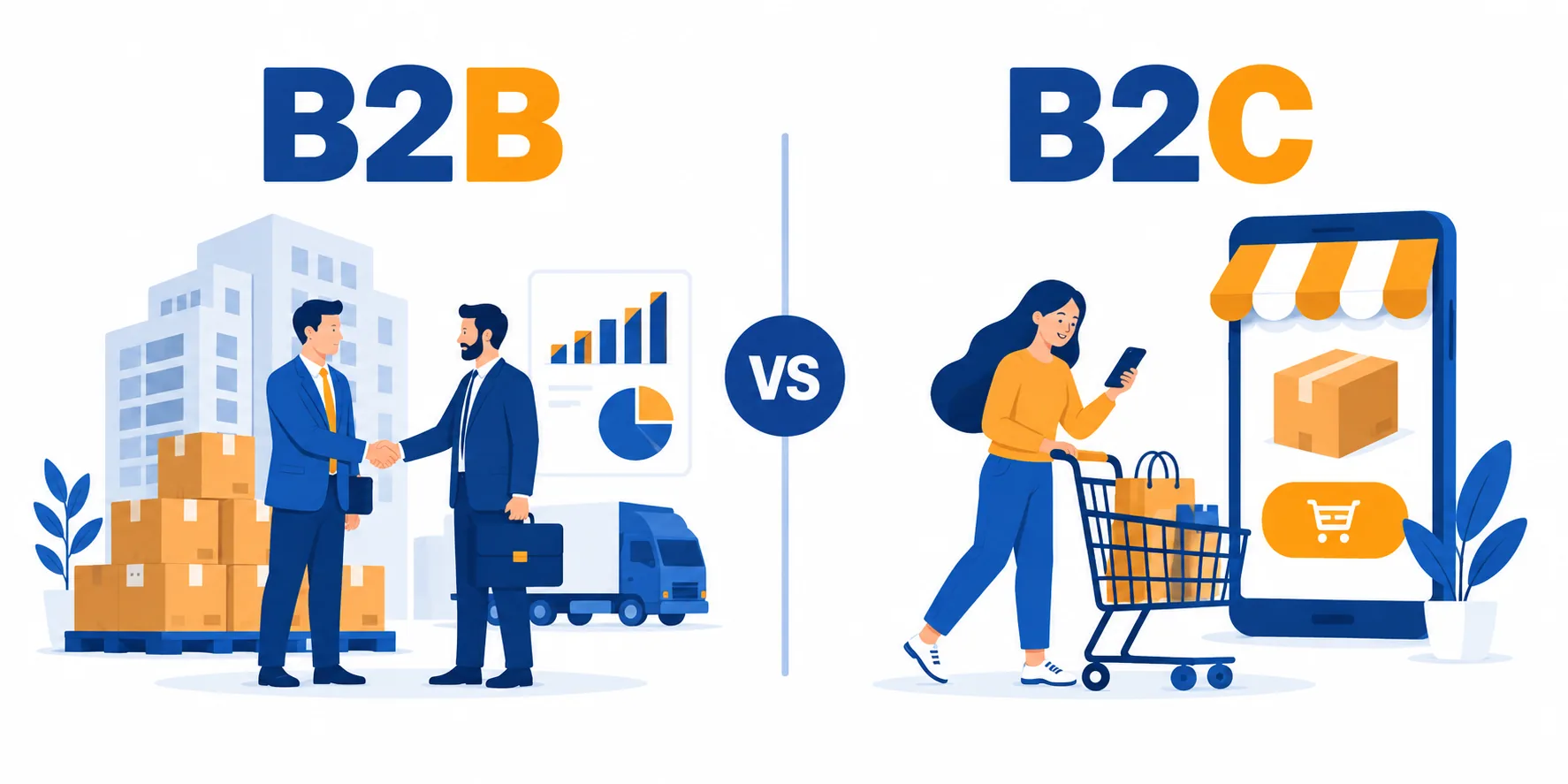

Setting up a B2C business doesn’t necessarily require a physical store. To set up an e-commerce store, you just need to choose the right platform that lets you list products, process transactions, track inventory, and manage order fulfillment.
Nonetheless, choosing the right e-commerce platform is a business decision because there are variations when it comes to subscription plans, transaction costs, payment gateways, shipping integration, presence in marketplaces, and international selling, among others.
What Is an E-commerce Platform?
An e-commerce platform is software that enables a business to establish and run its e-commerce store. It normally gives businesses the ability to do the following:
• Creation of an e-commerce site
• Product listings
• Payment processing
• Order management
• Customer interaction
For B2C companies, the platform basically becomes a part of the digital infrastructure facilitating the journey of the customer—from discovery to making a payment and getting the order.
How Do E-commerce Platforms Work for a B2C Business?
Generally, a B2C e-commerce platform integrates multiple aspects that otherwise need different systems.
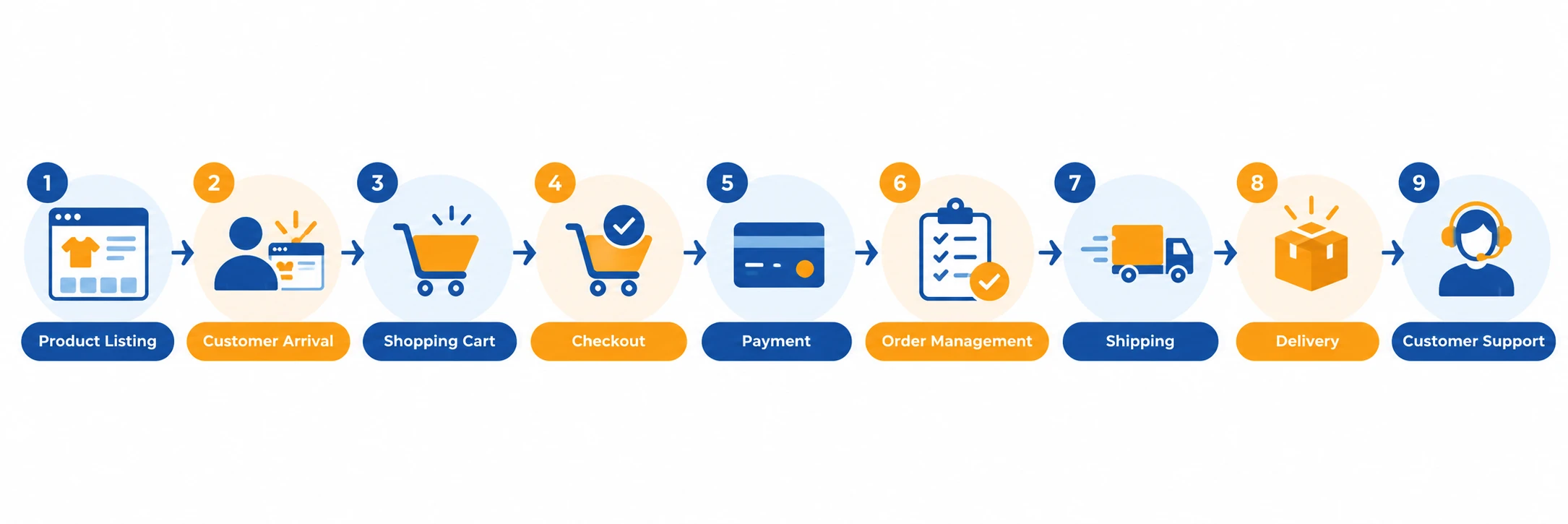
A customer arrives at the online store, looks through the products, puts the product into his/her shopping cart, and goes through the checkout. Integration with the payment gateway allows transactions on the site. After confirmation of the payment, the order is added to the seller’s order management system.
Further, the seller manages inventory, shipping, and communication with the customers using an administration panel.
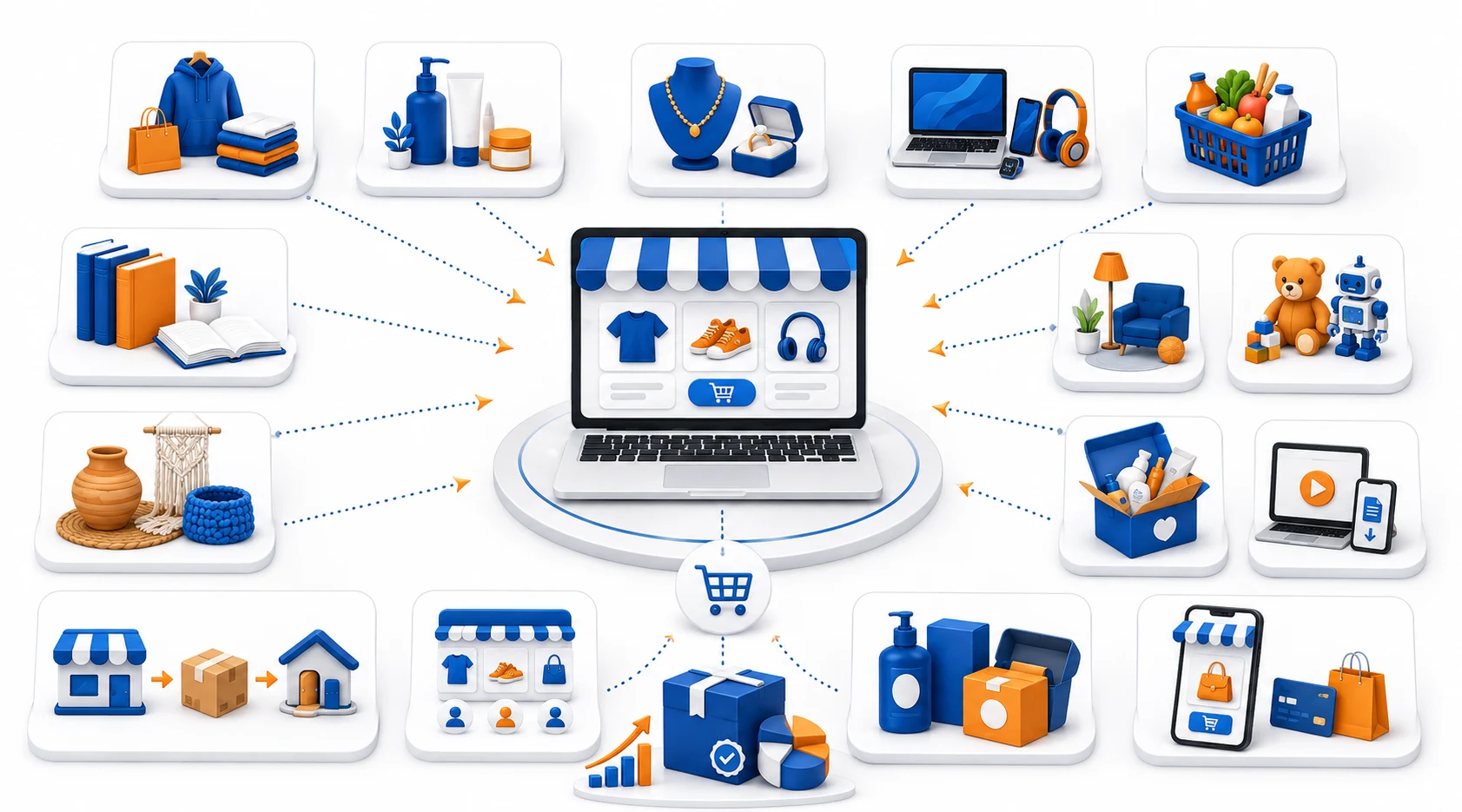
General flow of actions is as follows:
Also, some platforms have analytics, marketing automation, recovering abandoned carts, customer segmentation and integration with third-party business software.
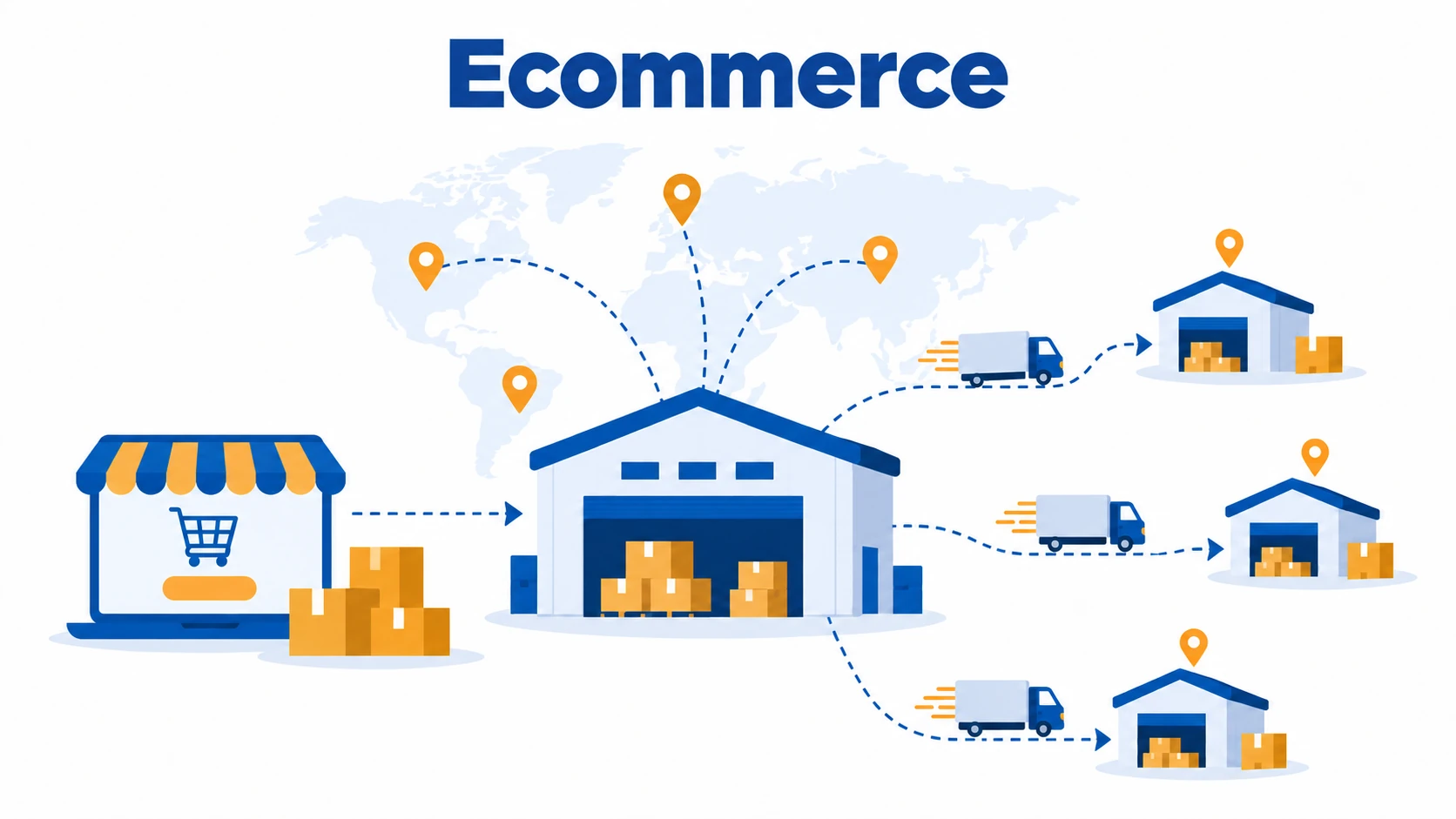
What Features Should B2C E-commerce Platforms Have?
Not every platform fits all businesses. You should carefully choose a platform based on the capabilities necessary to run your particular business model.
Best E-commerce Platforms for B2C Business: Top Options Compared
The best solution depends on the business size, level of technical skills, catalogue of products, budget and target customers. Below you will find the most popular solutions used by B2C sellers.
| Platform | Best For | Main Strength | Consideration |
|---|---|---|---|
| Shopify | Growing online brands | Easy store creation and extensive ecosystem | Subscription and app costs |
| WooCommerce | WordPress users | Flexibility and control | Requires more technical management |
| Wix eCommerce | Small businesses | Simple website and store builder | May be less suitable for complex operations |
| BigCommerce | Growing and larger retailers | Strong built-in commerce features | Can require more setup |
| Squarespace Commerce | Design-focused brands | Attractive storefronts | Advanced commerce needs may require alternatives |
| Amazon | Marketplace-focused sellers | Large existing customer base | Marketplace fees and less storefront control |
They are not direct alternatives in every case because some of them are mostly storefront builders and the others are marketplaces that have existing customer traffic.
Shopify: A Popular Choice for Online Retailers
Shopify is a commonly used tool among firms wishing to have their own online store but not wishing to build an e-commerce platform from the ground up.
The ecosystem provides product management, payments, checkout, marketing, analysis, and integration with multiple third-party applications.
It may be very handy for entrepreneurs willing to start small and then scale up their business operations.
Its broad ecosystem of applications can help to handle specialized needs like email marketing, subscription, customer loyalty, and more advanced inventory management.
However, one should take into account the total costs that can include the apps, payments, and other services, and not just the basic subscription fee.
WooCommerce: Flexible for WordPress-Based Businesses
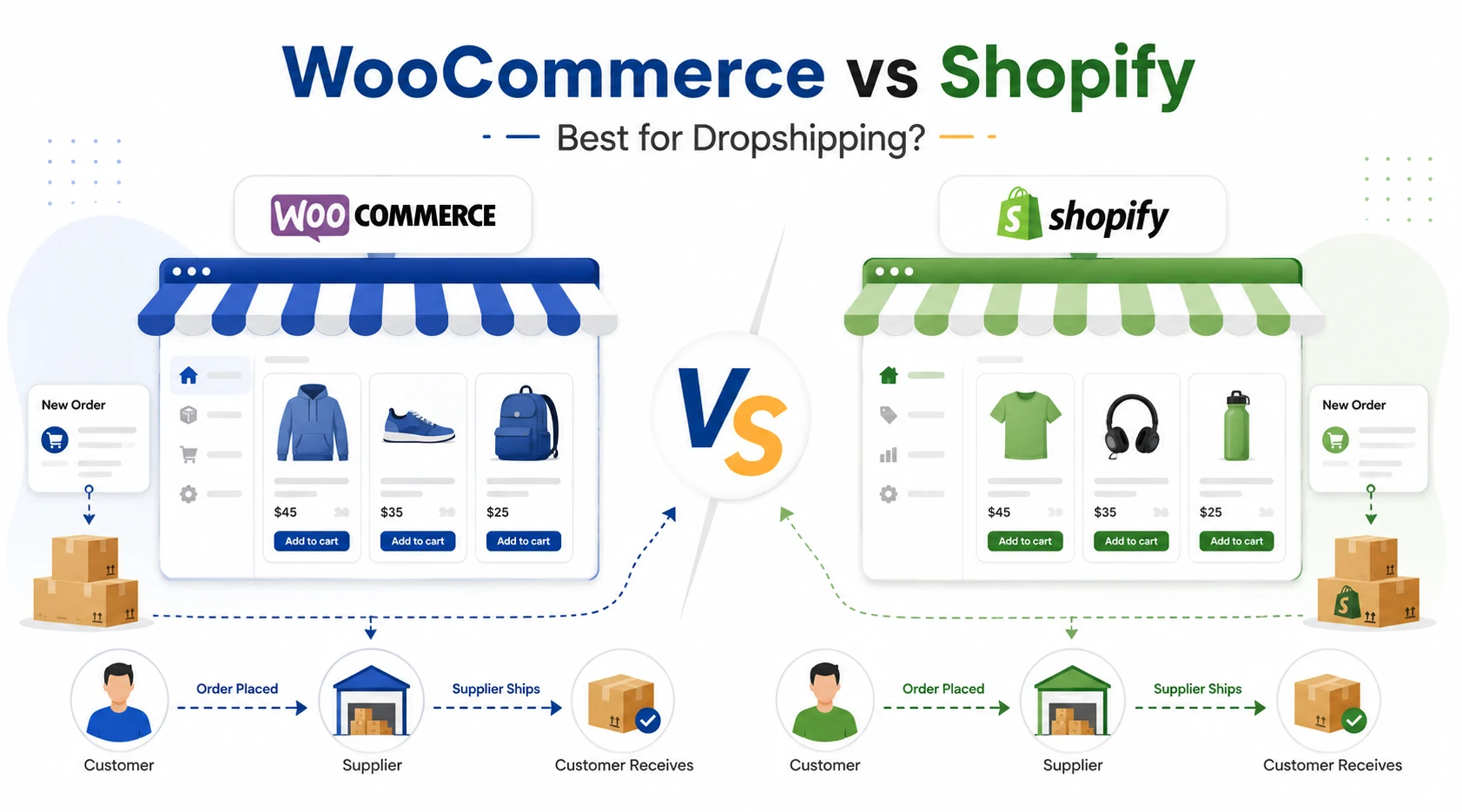
WooCommerce is an e-commerce solution created specifically for WordPress sites.
One of the main advantages of WooCommerce is flexibility. One can customize their storefront, checkout and functionality using extensions, themes, and custom development.
However, increased flexibility translates into increased responsibility. Web hosting, security, updates, backups, and extensions have to be done properly.
It could be a good choice for companies that appreciate control but need more technical input than a hosted solution would give.
Wix eCommerce: Suitable for Smaller B2C Businesses
Wix brings together website building and e-commerce capabilities via a visual website building interface.
This platform could be ideal for entrepreneurs looking to create a professional web presence and selling a fairly simple portfolio of products.
Because of its simplicity, it could work well for smaller businesses, creative companies and entrepreneurs who don’t wish to maintain a complicated technical infrastructure.
Companies expecting a complex portfolio, complex integration, and larger operations need to ensure that this solution will be able to accommodate future needs.
Big Commerce: Built for Growing Commerce Operations
Big Commerce places a great deal of focus on commerce capabilities and could be considered by businesses with more advanced needs.
It provides such features as product portfolios, orders management, several sales channels and integration with external business systems.
BigCommerce could be especially useful for companies that expect a substantial growth of their portfolios or more advanced selling operations.
Nonetheless, its extensive features may add more complexity compared to other platforms which are focused on fast and simple store build.
Squarespace Commerce: Strong for Design-Led Brands
Squarespace is a platform that specializes in website design and can be good for brands that place high value on presentation.
This platform can be perfect for designer businesses, artists, lifestyle brands, etc., which require a coherent combination of visual and e-commerce websites.
On the other hand, in case the business needs a more complicated approach to inventory, fulfillment, and multi-channel sales, Squarespace should be considered more closely.
Amazon: Useful for Marketplace-Based Selling
Amazon is different from store builders in its approach to online selling.
Rather than constructing a whole independent storefront, Amazon offers to list products in the established online marketplace.
Its biggest benefit is an already built-in customer base and infrastructure for purchases. Its drawback is less control over the customer experience and fees of the marketplace.
Amazon can thus complement your independent online store rather than replace it.
E-commerce Platform vs Online Marketplace
One of the mistakes people make is to confuse a market place with an e-commerce platform.
An e-commerce platform is one that will help you run your own store online. A marketplace is one where your products compete against others.
| Factor | E-commerce Platform | Online Marketplace |
|---|---|---|
| Store ownership | Greater control | Platform-controlled environment |
| Branding | High control | More limited |
| Existing traffic | Usually must be generated | Marketplace provides traffic |
| Customer relationship | Greater control | Subject to marketplace rules |
| Competition | Mainly your own store | Direct competition is visible |
| Fees | Subscription/payment/app costs | Selling/referral/other marketplace fees |
| Customer experience | Customisable | Standardised to marketplace |
| Marketing | Seller-driven | Marketplace + seller marketing |
Indeed, many successful B2C companies employ both approaches: an independent online shop for brand development and marketplaces for extra client acquisition.
How Much Do E-commerce Platforms Cost?
It cannot be estimated as there is no one cost that suits each platform. It can include subscriptions, payment processing, transaction fees, domain registration, premium themes, applications, etc.
| Cost Component | What to Consider |
|---|---|
| Subscription | Monthly or annual platform fee |
| Transaction fees | Charges associated with certain transactions or payment arrangements |
| Payment processing | Fees charged for processing customer payments |
| Domain | Cost of your website address |
| Theme/design | Free or premium storefront design |
| Apps/extensions | Additional functionality |
| Hosting | Relevant for self-hosted solutions |
| Shipping | Courier and fulfilment expenses |
| Marketing | Advertising, email and promotional costs |
Don’t pick a platform simply because it has the cheapest monthly fee. A cheaper platform requiring lots of development effort or many paid extensions may end up being a much more expensive solution.
Which Platform Is Best for International Selling?
Companies aiming at international buyers need to go beyond basic e-commerce capabilities offered in their country.
If you need an international or cross-border e-commerce platform, think about whether the platform provides you with multi-currency support, international payments, international shipping integration, and localization features.
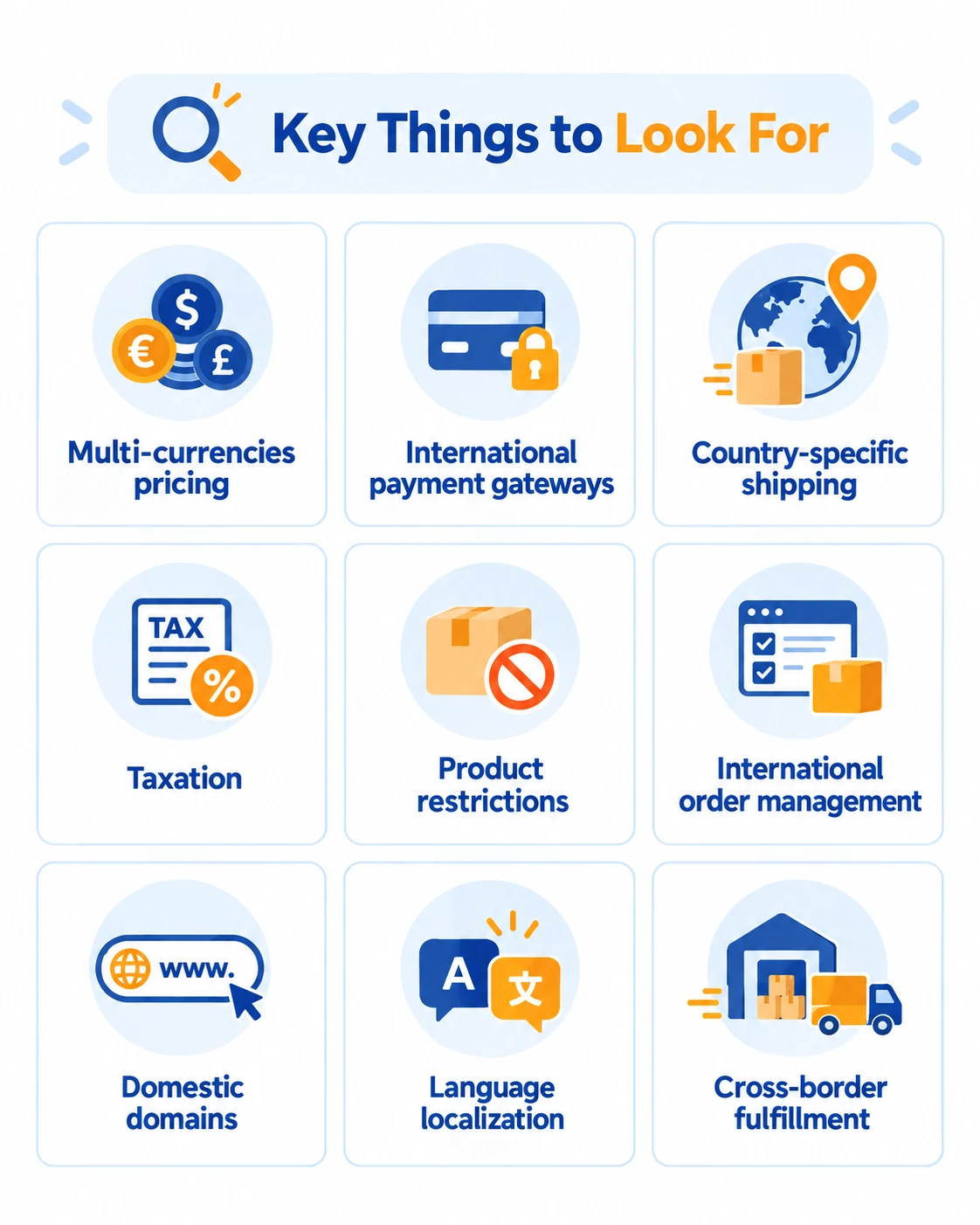
An e-commerce platform that fits your business perfectly well in terms of domestic B2C may still require some extra functionality to serve international markets.
How to Choose the Right E-commerce Platform
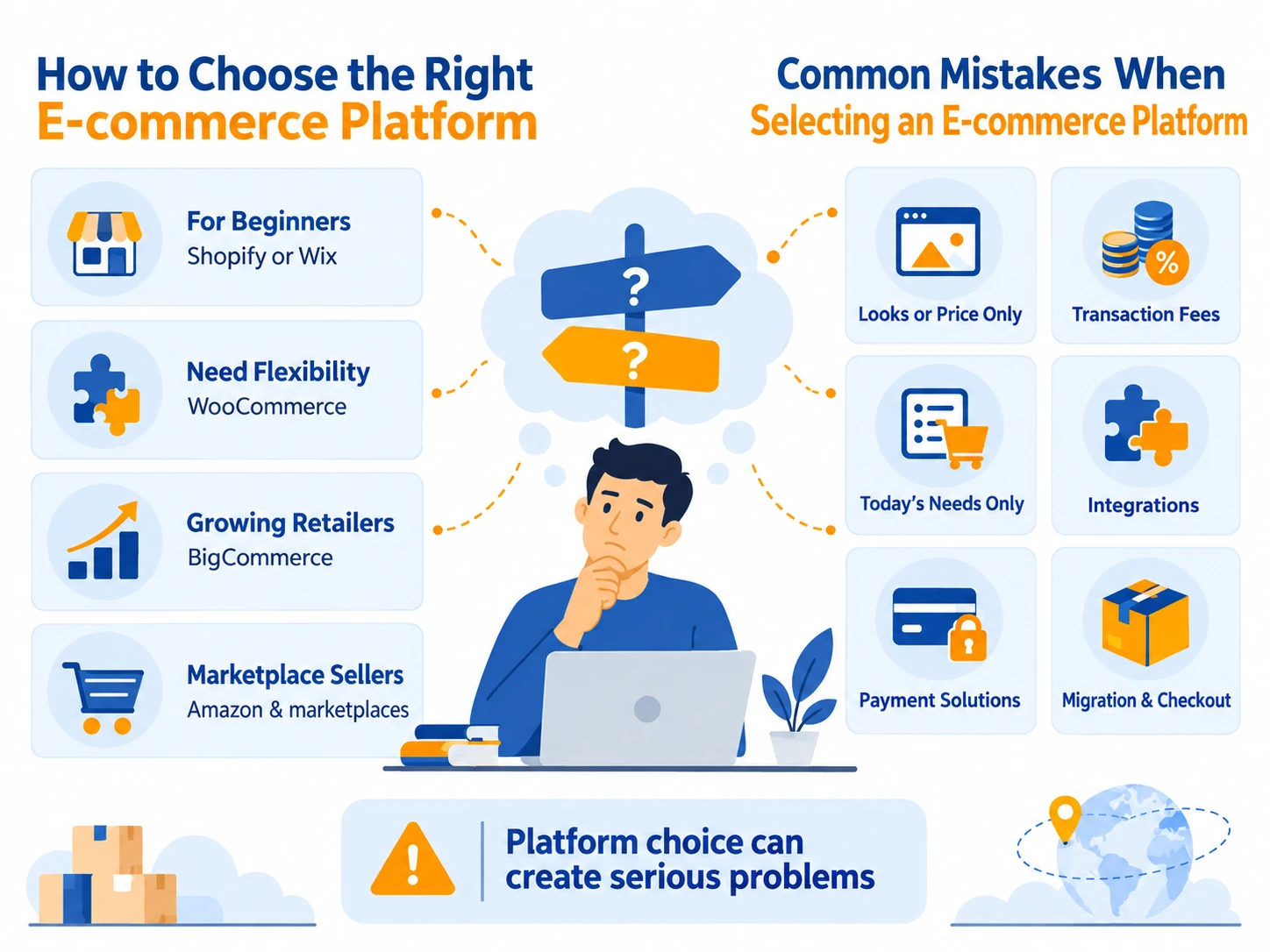
There is no such thing as one size fits all. A suitable platform depends on a specific business’s current needs and further development plans.
For Beginners
For businesses looking to launch fast and not spend too much time building a site, there is hosted software such as Shopify and Wix.
For Businesses Looking for Flexibility
Businesses already working on WordPress or technically savvy businesses may like WooCommerce.
Growing Retailers
If you have a bigger product catalogue or want to work on different sales channels, you might find a solution among platforms like BigCommerce.
Marketplace Sellers
In case your primary goal is to sell on a well-established platform, Amazon or other marketplaces can be a solution for you.
Common Mistakes When Selecting an E-commerce Platform
Making a decision based only on the look of a platform or its price can result in serious problems.
Transaction fees: Even if it’s a small percentage at first, later it turns out to be a lot of money with growing sales.
Making a decision based on today’s needs: Think about your catalogue size, traffic, international selling and further integrations.
Integrations: The platform can require integration with accounting, CRM, shipment, marketing and inventory software.
Payment solutions: Your preferred payment gateway can be absent from certain regions.
Migration: Moving thousands of products and customer accounts will be very complicated.
Not checking the checkout: Always check the customer experience before launching.
Conclusion
Choosing the best e-commerce platforms for B2C business operations is not all about comparing subscription fees on a monthly basis. Your chosen platform must provide the full range of tools necessary for running the business, such as product listing, checkout, payment integration, inventory, order fulfillment, and customer management.
If you are a new entrepreneur, it’s likely that simplicity and speed are what you need. If your online business is expanding, you may want better integration and management. And if your business is already international, you probably need a cross-border e-commerce platform.
Before subscribing to the platform, consider all aspects of your future business operations, such as the amount of sales, product portfolio, markets, technological capacity, and operating costs.
FAQs
There is no one-size-fits-all answer here. Shopify may fit well for businesses looking for easy hosted solutions, WooCommerce for flexible businesses, Wix for simpler small shops, and BigCommerce for advanced commerce needs.
Both have different uses. E-commerce website provides more control, and marketplace provides an existing audience. Many B2C companies use both.
Important features are product listing, shopping cart, integration with secure payment gateway, order management, inventory management, shipping management, customer management and analytics.
Transaction fees add up with growing sales volume. It is recommended to calculate all subscription, payment processing, transaction and app fees together when comparing different platforms.