
Indian brands have everything it takes to go global: great products, rich traditions, and real stories worth telling. The only thing holding most of them back is how they present themselves to the world. Rebranding and repositioning aren’t fancy marketing words they’re the difference between a product that gets scrolled past and a brand that actually sells. Get the story right, and the rest follows.
From Haldiram’s famous worldwide chain of famous India cuisines to Indian spices like Everest and MDH masala
Let’s be honest. You’ve put in the work. The product is solid, the packaging looks decent, and you’ve finally set up your Amazon Global or Shopify store. You hit publish. And then… nothing.
Sound familiar? You’re not alone. Hundreds of Indian D2C and e-commerce exporters face this exact moment, and most of them make the same mistake. They assume going global is a logistics problem. Ship it, list it, sell it.
But going global is a brand problem first. And until you fix how your brand speaks, looks, and positions itself in a new market, no shipping partner, no marketplace listing, no ad spend will save you.
This blog is about the two strategies that actually move the needle for Indian brands going global: rebranding and repositioning. They’re not the same thing. Confusing them is expensive. And the Indian brands that got it right? They’re worth studying closely.
Rebranding vs Repositioning
Most people use these words interchangeably. Most people are wrong.
Rebranding = Changing How You Look and Communicate
New logo. New packaging. New color palette. New tone of voice. Rebranding is the visible layer what people see when they land on your store or pick up your product. Think of it as your brand’s wardrobe change.
A logo maker can help businesses create and explore new logo concepts as part of this transformation.
For export, this might mean redesigning your packaging to meet EU safety labeling standards, switching from Hindi-dominant copy to clean English, or making your product photography feel less “local market” and more “global shelf.”
Repositioning = Changing Who You Sell To and Why They Should Care
This is the deeper work. Repositioning is about shifting the story. Instead of “affordable Indian product,” you become “premium Indian craftsmanship.” Instead of “herbal remedy,” you become “luxury Ayurveda.”
Repositioning doesn’t always require a new logo. It requires a new understanding of your global customer what they value, what they’re willing to pay for, and what story makes them stop scrolling and actually buy.
The simple way to remember it: Rebranding = Visibility. Repositioning = Demand.
For D2C and E-commerce Exporters
Here’s the uncomfortable truth about selling on Amazon Global, Etsy, or Shopify internationally: your customer has never heard of you. There’s no word-of-mouth. No family recommendation. No familiarity. They’re making a snap judgment based entirely on what they see in front of them.
Your packaging is your trust signal. Your positioning is your conversion rate. And global buyers? They don’t buy “Indian products.” They buy outcomes. They buy organic, premium, sustainable, handmade, functional. They buy the feeling your product gives them, not the country it came from.
This is why the brands we’re about to look at succeeded they stopped leading with origin and started leading with value.
Indian Brand Going Global Case Studies
Tata Tea
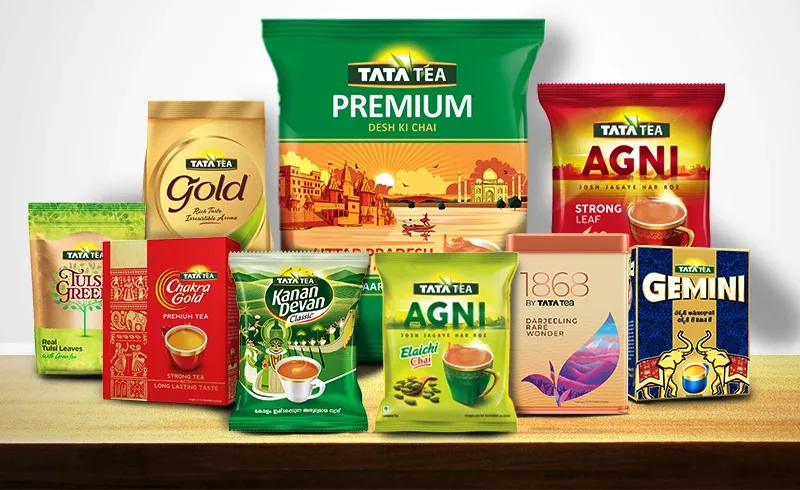
Here’s something most Indian exporters don’t want to hear: being the biggest name in your home market means almost nothing the moment you step outside it. Tata Tea learned this and instead of pretending otherwise, they did something bold. They didn’t just redesign a logo or refresh some packaging. They rebuilt the entire identity from the ground up and renamed themselves Tata Consumer Products.
But the real power move was acquiring Britain’s Tetley Tea. Overnight, they went from an Indian brand trying to earn its place on foreign shelves to the company that owned the shelf. Today, Tetley is the number one tea brand in Canada and among the top two in both the UK and the US. That’s not a distribution win. That’s a brand architecture win. Tata Consumer now has a presence across the US, UK, Europe, Canada, Australia, the Middle East, and Africa and it got there because it was willing to think beyond what made it famous at home.
The takeaway for every Indian exporter reading this: what works in Pune will not automatically work in Portland. Your packaging, your product range, your entire brand story all of it needs to flex for the market you’re entering. Freezing your India-first identity and hoping it travels is not a strategy. It’s a gamble.
boAt

Most Indian brands go global and then scramble to look the part. boAt never had that problem because they built the brand like they were always going global, even when they were still figuring out the Indian market.
Bold typography. Youth-first energy. Product photography that could sit comfortably next to Sony or JBL without flinching. When the time came to expand, there was no awkward reinvention moment because the brand already spoke the right language. boAt is now among the top audio brands globally and has a presence in over 50 countries online. They’ve recently taken it offline too partnering with retail chains to put products on shelves across the UAE, using that market as a launchpad for the wider Gulf region. Malaysia became their first official Southeast Asia market, with more of the region to follow.
Here’s the real lesson: don’t wait until you’re “big enough” to invest in branding. Build it global-ready from day one. Fixing a brand that was built for one market and trying to make it work in another costs far more in money, time, and momentum than doing it right the first time.
FabIndia

FabIndia could have spent the rest of its life selling Indian ethnic wear to Indians. That lane was comfortable. It was profitable. And it had a ceiling.
Instead, they looked at what the rest of the world was already hungry for sustainability, slow fashion, conscious consumption, the story behind what you buy and realised they’d been sitting on exactly that for decades. They didn’t change the product. They changed the story around it. They stopped selling a kurta and started selling a philosophy: skilled artisans, sustainable fabrics, intentional living. Same product. Completely different conversation. Today, FabIndia products reach customers across more than 55 countries because a story rooted in craft and consciousness doesn’t need translation.
Ask yourself honestly: what global trend does your product already fit into, without you having to change a thing? Find that answer. Then build your entire international narrative around it.
Forest Essentials

Ayurveda is thousands of years old. It has never needed to prove itself. But for a long time, the way it was packaged and positioned made it feel like a category for insiders traditional, regional, and easy to overlook on a global shelf.
Forest Essentials changed that. They took the same ancient knowledge and repositioned it not as traditional medicine but as luxury wellness. Beyond India, the brand now sells in the UAE, the UK, Australia, and the United States, markets where wellness isn’t a niche, it’s a lifestyle. They started with a UK launch and have since set their sights on the Middle East and Southeast Asia as the next wave of expansion.
The products didn’t fundamentally change. The story around them did. And with that story shift came a price shift premium positioning internationally means premium margins. The same product that sells for ₹300 in a local market can legitimately command much more in a global wellness store. When the story is right, the price follows.
Mamaearth

Here’s the thing about Mamaearth’s positioning that most people miss: they didn’t build a brand around being Indian. They built a brand around being honest.
Toxin-free. Safe. Natural. These aren’t Indian values they’re human ones. A parent in Germany worries about the same things as a parent in Gurugram. That’s the quiet brilliance of what Mamaearth did. Their messaging didn’t need to be localised for international markets because it was never local to begin with. It was universal. And brands built on universal human truths travel without friction.
If your product solves a problem that any parent, any person, any household anywhere in the world actually has that’s your global pitch. Stop dressing it up in geography. Let the truth do the work.
Paper Boat
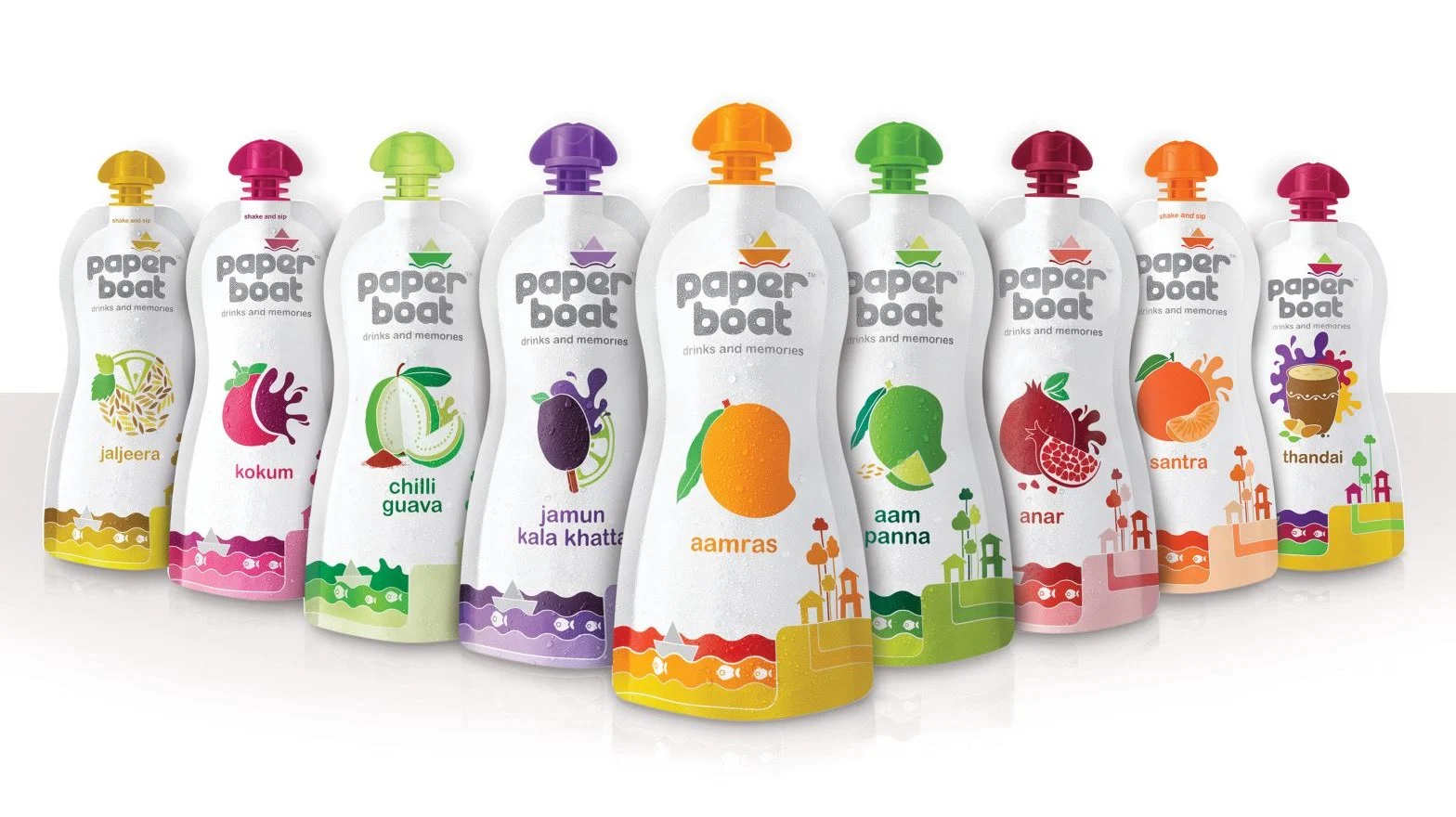
Paper Boat didn’t just change their packaging. They repositioned the entire concept of what they were selling.
They’re not selling aam panna or kokum. They’re selling Indian childhood in a bottle. The hand-drawn illustrations, the gentle nostalgic copy, the little quiz on every pack every single touchpoint is designed to make you feel something before you even taste the drink. And here’s what makes that powerful beyond India: nostalgia is not a regional emotion. The specific memory might be Indian, but the feeling of being taken back to something simpler, warmer, more innocent that’s human. That travels.
If your product has a story rooted in something universally felt nostalgia, care, craft, ritual, belonging that story has a passport. You just have to be brave enough to tell it fully.
Titan
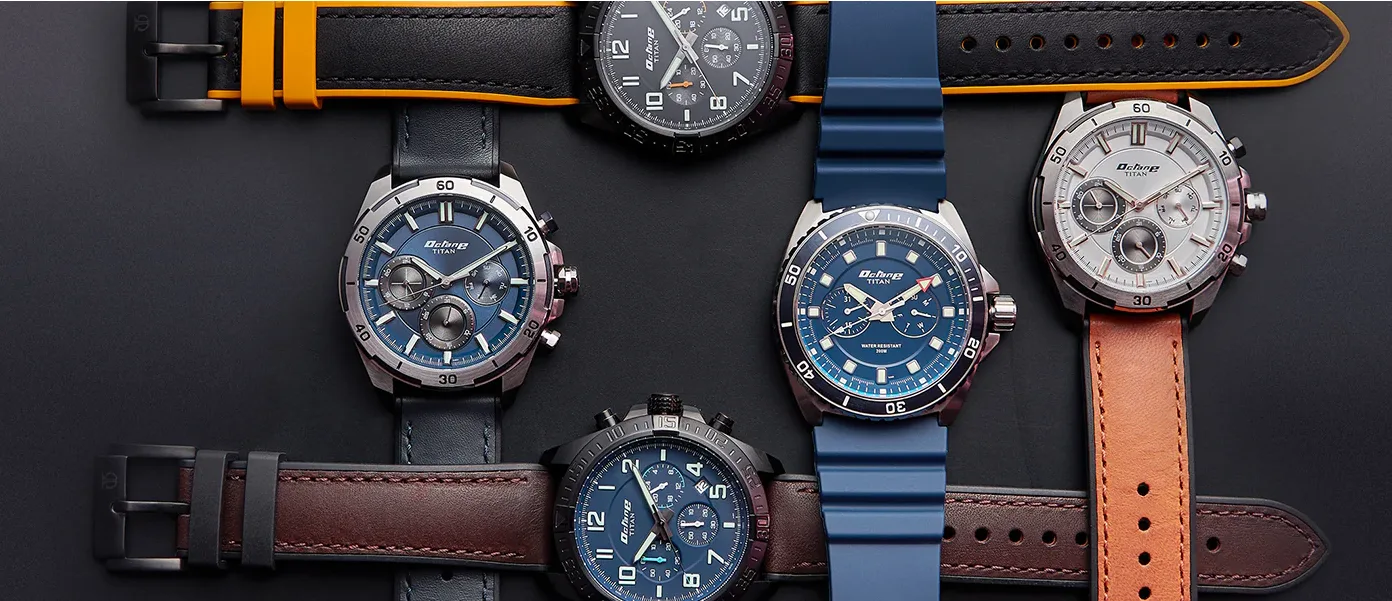
Titan figured out something that most watch brands never do: they’re not in the watch business. They’re in the moments business.
The shift from “we make good watches” to “we help you celebrate life’s meaningful moments” sounds subtle. It isn’t. It changes everything who you market to, how you price, what your retail experience feels like, which partnerships make sense. Today, Titan watches are present in over 40 countries with thousands of points of sale worldwide. They’ve built market-specific collections watches designed for Ramadan in the Gulf, designs created as international exclusives because they understand that emotional relevance has to be localised even when the brand is global. Their recent acquisition of a majority stake in UAE-based Damas Jewellery expanded their reach across all six GCC countries in one move.
Repositioning your brand around an emotion rather than a product category is one of the most powerful things you can do before going global. It gives people a reason to choose you that goes beyond price or features. And that reason is the only one that sticks.
Lenskart
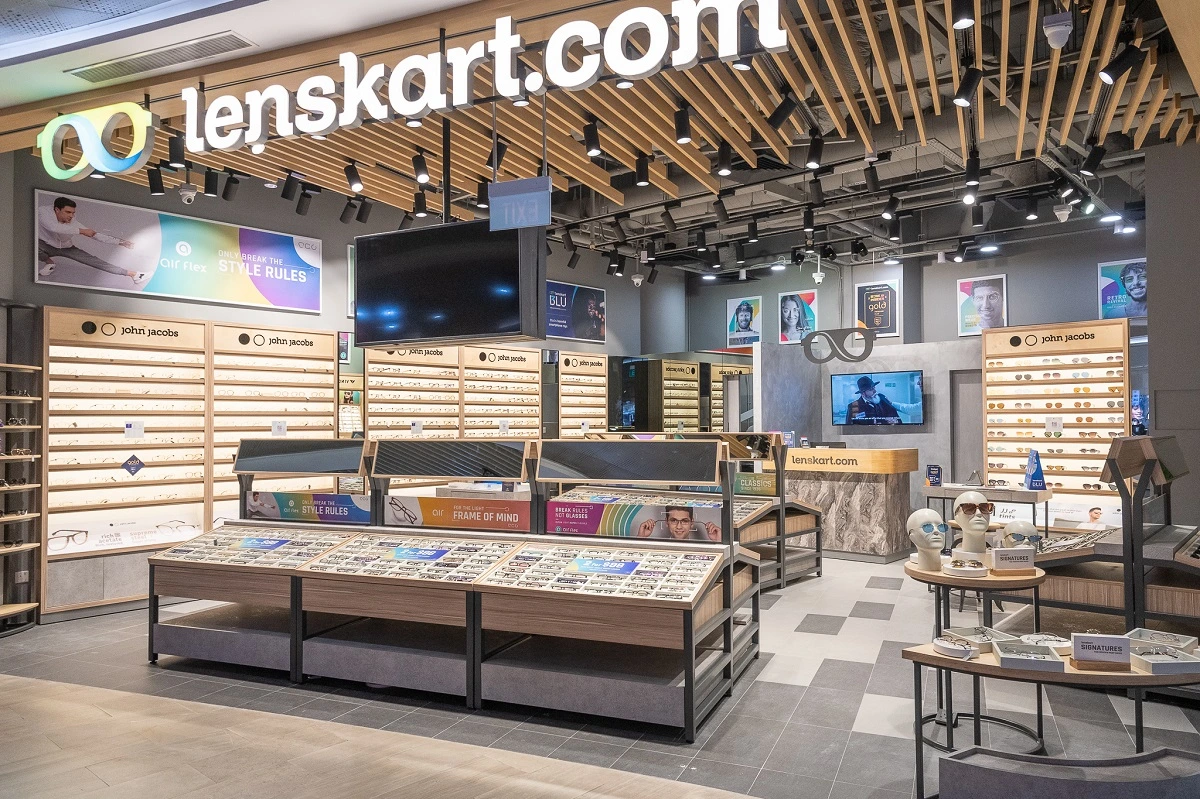
Nobody wakes up excited to buy glasses. They’re a necessity. A chore. A reminder that your eyesight isn’t what it used to be.
Lenskart flipped that entire narrative. By repositioning from “online glasses store” to “tech-enabled eyewear brand,” they made the experience feel modern, innovative, and worth talking about. That shift gave them immediate credibility in international markets where consumers already expected technology to be part of every retail experience. They acquired Japan-based Owndays, accelerating their presence across East Asia overnight. Today, Lenskart operates in Japan, Singapore, the UAE, Saudi Arabia, Thailand, Malaysia, Indonesia, the Philippines, Vietnam, Taiwan, Hong Kong, and Australia with close to half their revenue now coming from outside India.
The positioning did the heavy lifting. When you attach your brand to innovation and technology, you don’t have to fight for relevance market by market. The narrative opens doors before your sales team even knocks.
What D2C Brands Must Do Before Going Global
You don’t need a massive budget. You need the right sequence.
Step 1: Fix Your Positioning First
Before you touch your logo or packaging, answer one question honestly: Why should a buyer in the US, UK, or UAE choose this over the 200 other options already on their screen? If you can’t answer that in one clear sentence, you don’t have a positioning yet. You have a product.
Step 2: Then Upgrade Your Brand
Once you know what you stand for, the branding follows. Packaging that communicates your position. A website that speaks to your global customer. Product photography that tells the story. Product copy that converts not just describes.
Step 3: Get Marketplace Ready
Optimized Amazon Global listings. A reviews strategy. Pricing that reflects your positioning, not just your cost. And a consistent brand experience across every touchpoint because global buyers research before they buy.
A Practical Framework: Rebranding vs Repositioning for Exporters
• Identify your global buyer: Not everyone. One specific niche. A 35-year-old wellness consumer in London is not the same as a budget-conscious student in Dubai.
• Choose your position: Premium? Sustainable? Handmade? Functional? Clinical? Pick one. Clarity beats comprehensiveness every time.
• Align your brand elements: Packaging, product titles, photography, and copy must all speak the same language.
• Test on ecommerce channels: Amazon Global, Shopify, Etsy for handmade. Start small, learn fast, iterate.
The Mistakes That Keep Indian Brands Stuck
• Keeping India-first messaging on global listings the global customer doesn’t know your local credibility signals
• Competing purely on price a race to the bottom that destroys margins and brand value simultaneously
• Ignoring international packaging standards compliance isn’t optional in most developed markets
• Having no clear positioning being everything to everyone means nothing to anyone
Conclusion
Going global is not a logistics problem. It never was. The brands that figured this out early Tata, boAt, Lenskart, Forest Essentials didn’t just find better shipping partners or cheaper warehouses. They did the harder work first. They asked who they were building for, what story they were telling, and whether that story meant anything to someone sitting thousands of miles away who had never heard of them.
That’s the real work of exporting. And it’s the work most Indian brands skip.
Your product doesn’t need to be perfect. Your positioning does. Because on a global shelf physical or digital you have about three seconds to earn attention. Three seconds for your packaging, your copy, your brand energy to say something that makes a stranger stop and think “this is for me.”
India has no shortage of incredible products. We have spices that have flavoured the world for centuries, textiles that global luxury brands quietly source from our artisans, wellness traditions that the West is only now beginning to understand. The raw material for world-class global brands exists here in abundance.
What’s missing is the confidence to present it on our own terms, not as a cheaper alternative, not as an exotic curiosity, but as a genuinely premium, thoughtfully built, globally relevant brand.
The brands in this blog proved it’s possible. Your job now is to prove it for yours.
Frequently Asked Questions (FAQ’s)
Rebranding changes how your brand looks packaging, logo, colors, tone. Repositioning changes what your brand means who it’s for, why they should care, and what story it tells. For exports, you often need both, but repositioning always comes first.
No. Start with your positioning that costs thinking, not money. Once you’re clear on what you stand for in your target market, even small packaging and copy updates can make a significant difference on international marketplaces.
The UAE, UK, US, Canada, and Australia are the most active markets for Indian exporters. The GCC in particular is growing fast, largely driven by a strong Indian diaspora and an appetite for premium, natural, and artisanal products.
If your product solves a real problem, has consistent quality, and meets the basic compliance standards of your target market it’s ready. What usually isn’t ready is the brand around it. That’s where most Indian exporters need to focus.
Leading with origin instead of value. Saying “Indian brand” or “made in India” as the headline means nothing to a buyer in London or Toronto who has never heard of you. Lead with what the product does for them, not where it comes from.